
Refrigerator
Not Defrosting
in Ottawa?
Frost Buildup, Ice-Covered Coils, Or Poor Cooling Performance? We’ll Find The Cause And Fix It Fast.
Modern refrigerators rely on an automatic defrost system to prevent frost accumulation on evaporator coils. When the defrost system fails, ice begins building up inside the appliance, restricting airflow and reducing cooling performance. If left unresolved, the refrigerator may become too warm, the freezer may stop freezing properly, and food spoilage can occur.
YANFIX provides professional refrigerator repair throughout Ottawa. We diagnose refrigerator defrost problems, identify the failed component, and restore proper cooling performance.
A refrigerator that is not defrosting properly often develops a layer of frost or solid ice around the evaporator coils hidden behind the freezer panel. As ice accumulates, airflow becomes restricted and cooling efficiency declines. Many homeowners first notice rising temperatures, long compressor run times, poor airflow, or excessive frost inside the freezer.
Common causes include failed defrost heaters, defective defrost sensors, faulty thermistors, control board problems, wiring faults, and evaporator issues. Because several different components can prevent a refrigerator from entering the defrost cycle, professional diagnosis is often required.
YANFIX provides professional refrigerator repair throughout Ottawa. We diagnose defrost system failures, explain repair options clearly, and restore reliable cooling performance.
COMMON CAUSES OF A REFRIGERATOR NOT DEFROSTING
| Cause | Typical Symptom | Professional Repair Needed? |
|---|---|---|
| Failed Defrost Heater | Heavy frost buildup | Yes |
| Defrost Sensor Failure | No automatic defrost cycle | Yes |
| Faulty Thermistor | Incorrect temperature readings | Yes |
| Control Board Failure | Defrost cycle not initiated | Yes |
| Wiring Problem | Intermittent defrost operation | Yes |
| Evaporator Ice Buildup | Restricted airflow | Yes |
| Damaged Connectors | Defrost components inactive | Yes |
| Multiple Defrost System Faults | Severe cooling problems | Yes |
COMPONENTS THAT CAN CAUSE DEFROST PROBLEMS
| Component | Applies To | What Fails |
|---|---|---|
| Defrost Heater | Frost-free refrigerators | Ice is not melted |
| Defrost Sensor | Modern refrigerators | Defrost cycle not triggered |
| Thermistor | Electronic models | Incorrect temperature data |
| Control Board | Electronic models | Defrost cycle failure |
| Wiring Harness | All models | Power interruption |
| Connectors | All models | Poor electrical connection |
| Evaporator Assembly | Most refrigerators | Heavy ice accumulation |
| Airflow System | Most refrigerators | Restricted circulation |
WHY YOUR REFRIGERATOR IS NOT DEFROSTING
Failed Defrost Heater
The defrost heater is responsible for melting frost that naturally accumulates on the evaporator coils during normal operation. When the heater fails, frost continues building up with every cooling cycle until airflow becomes restricted. As ice accumulation increases, the refrigerator may become too warm, the freezer may lose cooling efficiency, and the compressor may begin running longer than normal.
Defrost Sensor Failure
Modern refrigerators use defrost sensors to monitor evaporator temperatures and determine when a defrost cycle should occur. If the sensor provides incorrect information or stops communicating properly, the refrigerator may never enter the defrost cycle. As a result, frost continues accumulating on the evaporator and gradually reduces cooling performance throughout the appliance.
Faulty Thermistor
A thermistor measures temperature and provides critical information to the refrigerator’s control system. When a thermistor becomes inaccurate, the control board may receive incorrect temperature readings and fail to initiate defrost cycles when required. This can lead to excessive frost buildup, restricted airflow, unstable temperatures, and poor cooling performance.
Control Board Problems
The control board manages cooling and defrost operations throughout the refrigerator. If the board fails to send power to the defrost system or cannot properly interpret sensor information, automatic defrosting may stop completely. Frost accumulation gradually increases until cooling performance becomes noticeably affected.
Ice-Covered Evaporator Coils
Evaporator coils must remain relatively free of ice for proper airflow and heat transfer. When defrost cycles stop occurring, frost gradually develops into a thick layer of ice covering the evaporator assembly. Once this happens, cold air circulation decreases dramatically and temperatures throughout the refrigerator begin rising.
Restricted Airflow Through The Evaporator
As frost accumulates around evaporator components, airflow passages become increasingly restricted. Even if the cooling system continues operating, cold air may no longer circulate effectively throughout the appliance. Many homeowners first notice weak airflow from refrigerator vents before realizing a defrost problem exists.
Defective Wiring Or Electrical Connections
The defrost system relies on multiple wiring connections between heaters, sensors, thermistors, and control boards. Loose connectors, damaged wires, and poor electrical connections can interrupt communication or power delivery. These failures often create intermittent defrost problems that become more severe over time.
Frost Blocking Refrigerator Air Vents
As frost buildup spreads beyond the evaporator area, air vents and circulation channels may become partially blocked. Reduced airflow limits the refrigerator’s ability to distribute cold air evenly throughout the appliance. This often causes fresh food temperatures to rise while frost accumulation continues increasing.
Continuous Compressor Operation
A refrigerator with a failed defrost system often compensates by running the compressor longer and more frequently. The appliance attempts to maintain proper temperatures despite restricted airflow and declining efficiency. Long compressor run times are a common symptom of advanced defrost system problems.
Freezer Works But Refrigerator Becomes Warm
One of the most common signs of a defrost failure is a freezer that still appears cold while the refrigerator compartment becomes noticeably warmer. Because cold air must move from the evaporator through the appliance, airflow restrictions caused by frost often affect the refrigerator section first.
Excessive Frost Inside The Freezer
A healthy frost-free refrigerator should not develop heavy frost accumulation on interior panels or around air vents. Visible frost buildup often indicates that the automatic defrost system is no longer functioning correctly. The more frost that accumulates, the greater the impact on cooling performance.
Multiple Defrost Components Have Failed
In older refrigerators, more than one component may contribute to the problem. A weak heater, inaccurate thermistor, aging sensor, and deteriorating wiring can combine to prevent proper defrost operation. Professional diagnosis helps identify all contributing faults rather than replacing parts unnecessarily.
SIGNS YOUR REFRIGERATOR MAY REQUIRE DEFROST SYSTEM REPAIR
Thick Frost Covering The Freezer Back Wall
One of the most common signs of a defrost system failure is a thick layer of frost forming on the rear wall inside the freezer. Frost-free refrigerators should not develop heavy ice accumulation in this area during normal operation. If frost continues growing over time, the automatic defrost cycle may no longer be removing ice from the evaporator coils properly.
Refrigerator Compartment Is Warm But Freezer Still Feels Cold
Many homeowners first notice that food in the refrigerator section is becoming warmer while the freezer still appears to be operating normally. This occurs because frost-covered evaporator coils restrict airflow throughout the appliance. As airflow decreases, the refrigerator compartment often loses cooling performance before the freezer completely stops freezing.
Weak Airflow From Refrigerator Vents
A refrigerator with a defrost problem often produces noticeably weaker airflow from the interior air vents. Even though the cooling system continues operating, ice accumulation around the evaporator gradually blocks the movement of cold air. Reduced airflow is one of the most reliable indicators of a developing defrost system failure
Frost Returns Quickly After Manual Defrost
Some homeowners temporarily restore cooling performance by unplugging the refrigerator and allowing accumulated ice to melt. If the appliance works normally for several days and then develops the same frost problem again, the automatic defrost system is likely failing to remove ice during normal operation.
Ice Visible Behind The Freezer Panel
Heavy ice accumulation behind the rear freezer panel often indicates that frost is building directly on the evaporator assembly. In a properly functioning frost-free refrigerator, this area should not become packed with ice. Visible ice behind the panel is a strong indicator of a failed defrost cycle.
Compressor Runs Almost Constantly
When frost restricts airflow and reduces cooling efficiency, the refrigerator often compensates by running longer cooling cycles. Many homeowners notice that the compressor rarely shuts off and seems to operate continuously throughout the day. Excessive run times frequently accompany defrost system failures.
Food Spoils Faster Than Normal
A refrigerator with a developing defrost problem may gradually lose its ability to maintain safe food storage temperatures. Milk, vegetables, leftovers, and other perishable items may spoil faster than expected even though the appliance still appears to be operating. Reduced airflow often contributes to this symptom.
Freezer Temperatures Become Inconsistent
Defrost failures frequently create uneven temperatures throughout the freezer compartment. Some areas remain extremely cold while other areas become noticeably warmer. This inconsistency often develops because frost accumulation interferes with normal airflow and prevents cold air from circulating evenly.
Ice Blocks Air Vents Inside The Freezer
As frost buildup becomes more severe, ice may begin covering or partially blocking air vents throughout the freezer compartment. Restricted vents reduce airflow to both the freezer and refrigerator sections. Ice-covered vents are commonly observed during advanced stages of a defrost system failure.
Refrigerator Works Better After Being Unplugged
A refrigerator that temporarily returns to normal after being unplugged for several hours often points toward a defrost problem. During the shutdown period, accumulated frost melts and airflow is restored. When the appliance is restarted, cooling improves until frost begins building up again.
Temperatures Gradually Rise Over Several Days
Unlike sudden component failures, defrost problems often develop gradually. Homeowners may notice cooling performance becoming slightly worse each day as frost accumulation increases. This slow decline is one of the characteristics that often separates defrost system failures from other refrigerator problems.
Multiple Cooling Symptoms Appear Together
When frost buildup, weak airflow, long compressor run times, rising temperatures, poor cooling performance, and food spoilage appear together, a defrost system problem becomes highly likely. Multiple symptoms occurring simultaneously often indicate that frost accumulation is affecting several refrigerator systems at once.
Why Choose Yanfix
We make appliance repair easy, fast, and reliable
Forget long waits, hidden fees, and sloppy work. At Yanfix, we treat your time and home with respect — delivering expert service you can count on.

Accurate Defrost System Diagnostics
A refrigerator that is not defrosting can be affected by failed defrost heaters, faulty defrost sensors, inaccurate thermistors, control board problems, damaged wiring, and airflow restrictions. Because several different components work together during the defrost cycle, replacing parts without testing often leads to unnecessary expenses. YANFIX performs complete diagnostics to identify the actual source of the failure before recommending repairs.
Specialists In Frost Buildup And Airflow Problems
Most refrigerator defrost failures eventually lead to heavy frost accumulation on the evaporator coils. As frost grows, airflow becomes restricted and cooling performance declines throughout the appliance. We diagnose airflow restrictions, evaporator icing problems, blocked vents, and frost-related cooling issues to restore proper refrigerator operation.
Experience With All Major Refrigerator Brands
Different manufacturers use different defrost systems, sensors, control boards, thermistors, and cooling designs. We repair Samsung, LG, Whirlpool, KitchenAid, GE, Frigidaire, Maytag, Electrolux, Bosch, and many other refrigerator brands commonly found in Ottawa homes. This experience helps us diagnose brand-specific defrost problems quickly and accurately.
Long-Term Solutions For Defrost System Failures
A refrigerator that temporarily improves after manual defrosting often develops the same problem again if the root cause is not repaired. Our goal is to identify the failed component responsible for the defrost malfunction and restore reliable long-term operation rather than providing a temporary fix.
WHAT YOU CAN CHECK BEFORE CALLING A TECHNICIAN
Inspect The Freezer Back Wall For Frost
A light layer of frost can be normal, but a thick sheet of ice covering the rear freezer wall often indicates that the automatic defrost system is no longer working correctly. Excessive frost accumulation is one of the most visible warning signs of a developing defrost problem.
Check Airflow From Interior Vents
Place your hand near the refrigerator air vents and compare airflow strength with normal operation. Weak airflow often indicates that frost accumulation is restricting circulation around the evaporator. Reduced airflow is commonly observed before major cooling problems develop.
Listen For The Evaporator Fan
The evaporator fan should operate regularly and circulate cold air throughout the appliance. If airflow is weak or absent, listen for the fan while the refrigerator is running. Frost buildup around the evaporator area can eventually affect airflow and cooling performance.
Look For Ice Around Freezer Vents
Ice forming around vents inside the freezer often indicates airflow restrictions caused by frost accumulation. As the defrost system becomes less effective, ice may gradually spread into areas where cold air normally circulates.
Monitor Refrigerator Temperatures
Pay attention to whether the refrigerator compartment is becoming warmer than usual. Defrost failures often affect refrigerator temperatures before the freezer completely loses cooling performance because airflow restrictions develop gradually.
Check Whether Food Spoils Faster
If milk, vegetables, leftovers, or other refrigerated foods begin spoiling sooner than expected, cooling performance may be declining. Reduced airflow caused by frost buildup can make it difficult for the refrigerator section to maintain proper storage temperatures.
Observe Compressor Run Times
A refrigerator struggling with heavy frost accumulation often runs longer cooling cycles. If the compressor seems to operate almost continuously, the appliance may be attempting to compensate for reduced cooling efficiency caused by airflow restrictions.
Check For Uneven Cooling
Some shelves may remain cold while others become noticeably warmer. Uneven cooling often develops when frost accumulation interferes with airflow distribution throughout the refrigerator and freezer compartments.
Look For Excessive Frost On Food Packages
Large amounts of frost on frozen food packaging may indicate moisture buildup and airflow problems. This symptom often appears as frost accumulation becomes more severe inside the freezer compartment.
Note Whether Manual Defrost Helps
If unplugging the refrigerator and allowing ice to melt temporarily restores cooling performance, a defrost system problem becomes much more likely. This pattern is commonly associated with failed defrost components.
Check Whether Temperatures Decline Gradually
Defrost failures typically develop over time rather than appearing instantly. A gradual loss of cooling performance over several days or weeks often points toward increasing frost accumulation on the evaporator coils.
Schedule Professional Diagnosis If Symptoms Continue
If frost buildup, weak airflow, long run times, rising temperatures, and cooling problems continue after basic checks have been completed, professional diagnosis is usually required. Defrost system failures often involve components that require electrical testing before the exact cause can be confirmed.
HOW YANFIX FIXES A REFRIGERATOR THAT IS NOT DEFROSTING
Step 1 — Confirm The Defrost System Complaint
We begin by identifying exactly how the refrigerator is behaving. Some units develop heavy frost buildup, others lose airflow, and some become warm in the refrigerator compartment while the freezer still appears cold. Understanding the symptoms helps narrow down the possible causes before testing begins.
Step 2 — Measure Refrigerator And Freezer Temperatures
The refrigerator and freezer compartments are tested using accurate temperature measurements. This allows us to determine how the defrost problem is affecting cooling performance and whether airflow restrictions are already impacting food storage temperatures.
Step 3 — Inspect Frost Accumulation On The Evaporator
The evaporator area is inspected for frost and ice buildup. Heavy frost accumulation often confirms that the refrigerator is not entering or completing its automatic defrost cycle properly. The condition of the evaporator provides valuable diagnostic information.
Step 4 — Check Airflow Throughout The Appliance
Restricted airflow is one of the most common consequences of a failed defrost system. We inspect vents, circulation channels, and airflow pathways to determine whether frost accumulation is preventing cold air from moving throughout the refrigerator.
Step 5 — Test The Defrost Heater
The defrost heater is responsible for melting accumulated frost from the evaporator coils. We test the heater for proper electrical operation and verify that it can perform its intended function during the defrost cycle.
Step 6 — Test Defrost Sensors And Thermistors
Defrost sensors and thermistors help the control system determine when defrost cycles should occur. We test these components for accuracy and proper operation because incorrect temperature readings often prevent normal defrost operation.
Step 7 — Inspect The Control Board
The control board manages communication between sensors, heaters, and cooling components. We inspect the electronic control system to determine whether the refrigerator is correctly initiating and managing defrost cycles.
Step 8 — Check Wiring And Electrical Connections
Damaged wiring, loose connectors, and poor electrical connections can interrupt power delivery to the defrost system. We inspect the wiring harness and associated connections to identify electrical faults that may be preventing proper operation.
Step 9 — Repair Or Replace The Failed Component
Once the source of the problem has been identified, the defective component is repaired or replaced. Depending on the diagnosis, this may involve the defrost heater, defrost sensor, thermistor, wiring, connectors, control board, or other related components.
Step 10 — Verify Proper Defrost And Cooling Performance
After repairs are completed, the refrigerator is tested to verify normal airflow, proper cooling performance, correct temperature regulation, and successful defrost system operation. We confirm that frost accumulation is no longer interfering with refrigerator performance.
REFRIGERATOR BRANDS WE SERVICE IN OTTAWA
Samsung Refrigerator Not Defrosting Repair
Samsung refrigerators commonly experience defrost problems related to failed defrost sensors, thermistors, evaporator ice buildup, and control board issues. These failures often cause weak airflow, rising temperatures, frost accumulation, and cooling problems in the refrigerator compartment. We diagnose Samsung defrost system failures and restore proper cooling performance.
LG Refrigerator Not Defrosting Repair
LG refrigerators rely on temperature sensors, defrost heaters, thermistors, and electronic controls to manage automatic defrost cycles. When one of these components fails, frost can accumulate rapidly on the evaporator coils and restrict airflow throughout the appliance. We diagnose and repair LG refrigerator defrost problems accurately.
Whirlpool Refrigerator Not Defrosting Repair
Whirlpool refrigerators may stop defrosting because of heater failures, sensor faults, wiring problems, and control board malfunctions. These issues frequently result in frost-covered evaporators, reduced airflow, and poor cooling performance. We identify the root cause and restore normal operation.
KitchenAid Refrigerator Not Defrosting Repair
KitchenAid refrigerators depend on properly functioning defrost systems to prevent ice accumulation on evaporator coils. When frost buildup becomes excessive, cooling efficiency declines and temperatures may begin rising. We diagnose and repair KitchenAid defrost system failures throughout Ottawa.
GE Refrigerator Not Defrosting Repair
GE refrigerators can develop defrost problems due to failed heaters, thermistors, sensors, electronic controls, and wiring issues. Frost accumulation often causes airflow restrictions and uneven temperatures throughout the appliance. We diagnose GE refrigerator defrost failures and restore reliable cooling.
Frigidaire Refrigerator Not Defrosting Repair
Frigidaire refrigerators may experience heavy frost buildup when the automatic defrost system stops functioning correctly. Failed heaters, sensors, control boards, and airflow restrictions are among the most common causes. We diagnose and repair Frigidaire refrigerator defrost problems.
Maytag Refrigerator Not Defrosting Repair
Maytag refrigerators may lose cooling performance when frost accumulates on the evaporator assembly. Defrost system failures often lead to restricted airflow, warm refrigerator compartments, and long compressor run times. We identify the failed component and restore proper operation.
Electrolux Refrigerator Not Defrosting Repair
Electrolux refrigerators use advanced electronic controls and temperature management systems that depend on accurate communication between sensors and cooling components. We diagnose defrost failures, frost buildup issues, and airflow restrictions to restore efficient cooling performance.
Bosch Refrigerator Not Defrosting Repair
Bosch refrigerators may stop defrosting properly because of failed sensors, thermistors, heaters, wiring problems, and electronic control issues. These failures commonly lead to frost accumulation, airflow restrictions, and reduced cooling efficiency. We diagnose and repair Bosch refrigerator defrost system problems.
REFRIGERATOR NOT DEFROSTING REPAIR COST IN OTTAWA
| Repair Type | Typical Problem | Estimated Cost |
|---|---|---|
| Defrost System Diagnosis | Refrigerator not defrosting | $80 |
| Defrost Heater Replacement | Heavy frost buildup | $80–$300 |
| Defrost Sensor Replacement | Defrost cycle failure | $80–$250 |
| Thermistor Replacement | Incorrect temperature readings | $80–$250 |
| Wiring Repair | Electrical interruption | $80–$250 |
| Connector Repair | Poor electrical connection | $80–$200 |
| Control Board Repair | Defrost cycle not initiated | $80–$600 |
| Evaporator Ice Removal & Repair | Severe ice accumulation | $80–$350 |
Repair costs vary depending on the refrigerator brand, failed component, labour required, and replacement parts. A professional diagnosis is required before an accurate repair estimate can be provided.
CUSTOMER REVIEWS
Frost Problem Completely Solved
“Our refrigerator kept building frost behind the freezer panel and the fridge section was getting warm. YANFIX diagnosed a failed defrost heater and fixed the problem quickly.”
— Daniel R., Barrhaven
★★★★★
Accurate Diagnosis
“We thought the refrigerator needed replacement, but Yan found a faulty defrost sensor. Cooling returned to normal after the repair.”
— Jennifer K., Kanata
★★★★★
Excellent Refrigerator Repair
“Our LG refrigerator stopped cooling properly because the evaporator was completely covered in ice. YANFIX fixed the issue and explained everything clearly.”
— Michael S., Nepean
★★★★★
Refrigerator Repair Service Areas
We provide Refrigerator repair throughout Ottawa and nearby communities. Our technicians travel across the city every day, offering same-day Refrigerator repair for all major brands and models. Select your area below to learn more about Refrigerator repair services available in your neighbourhood.







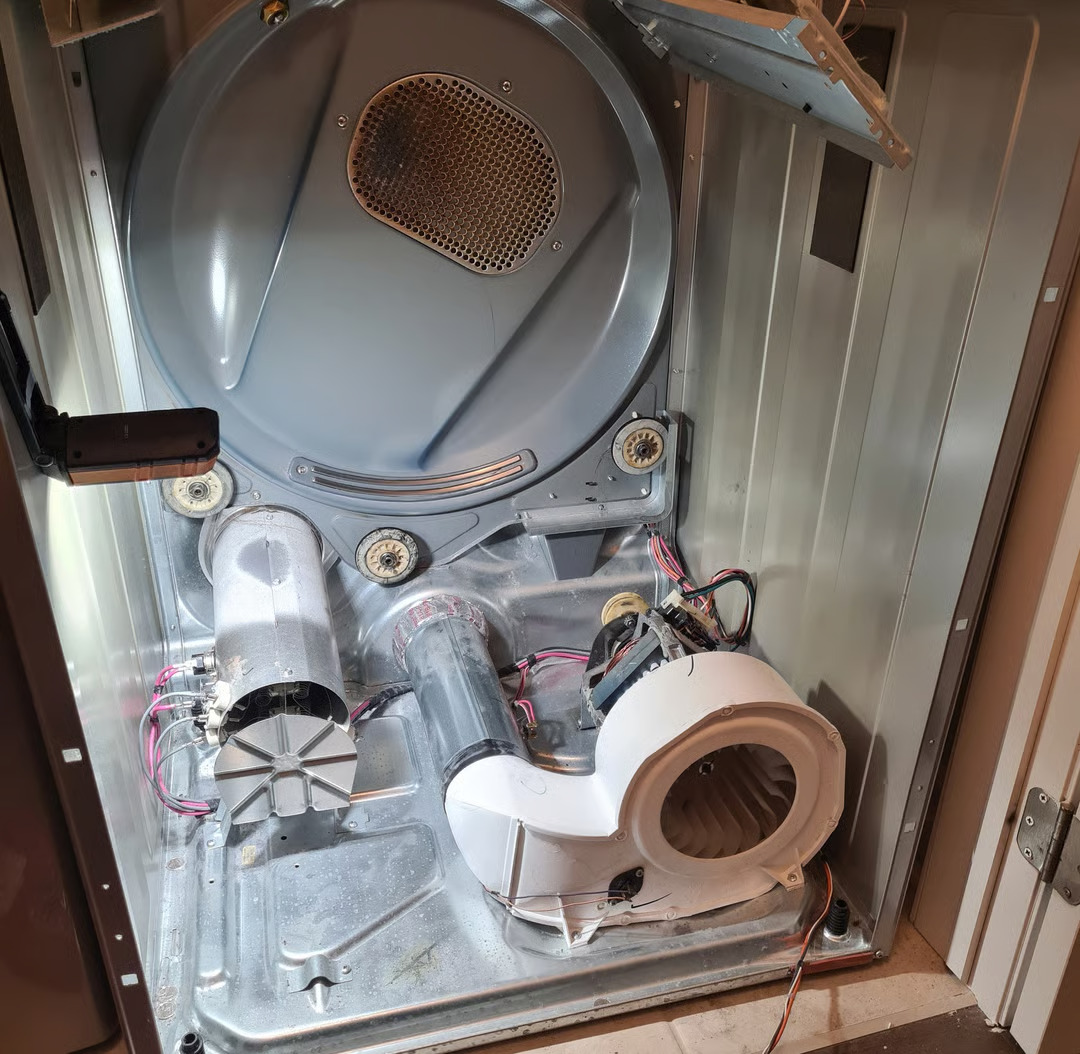
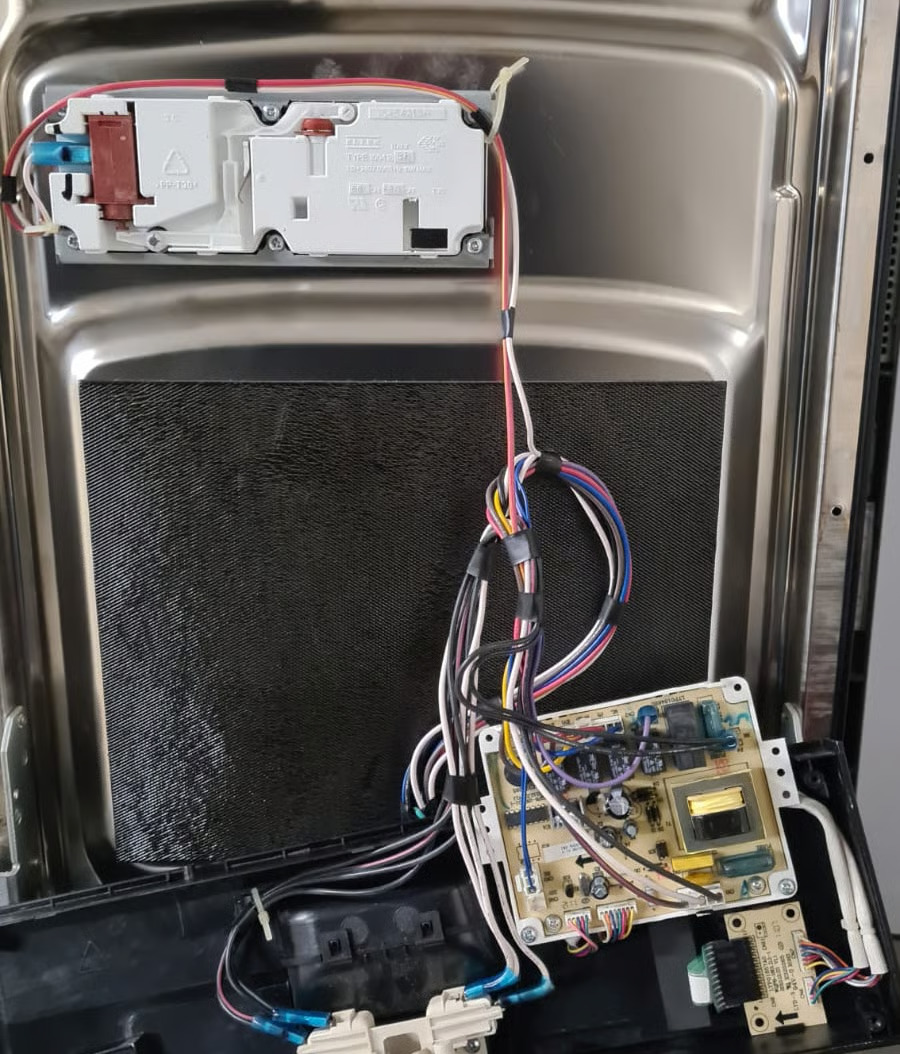
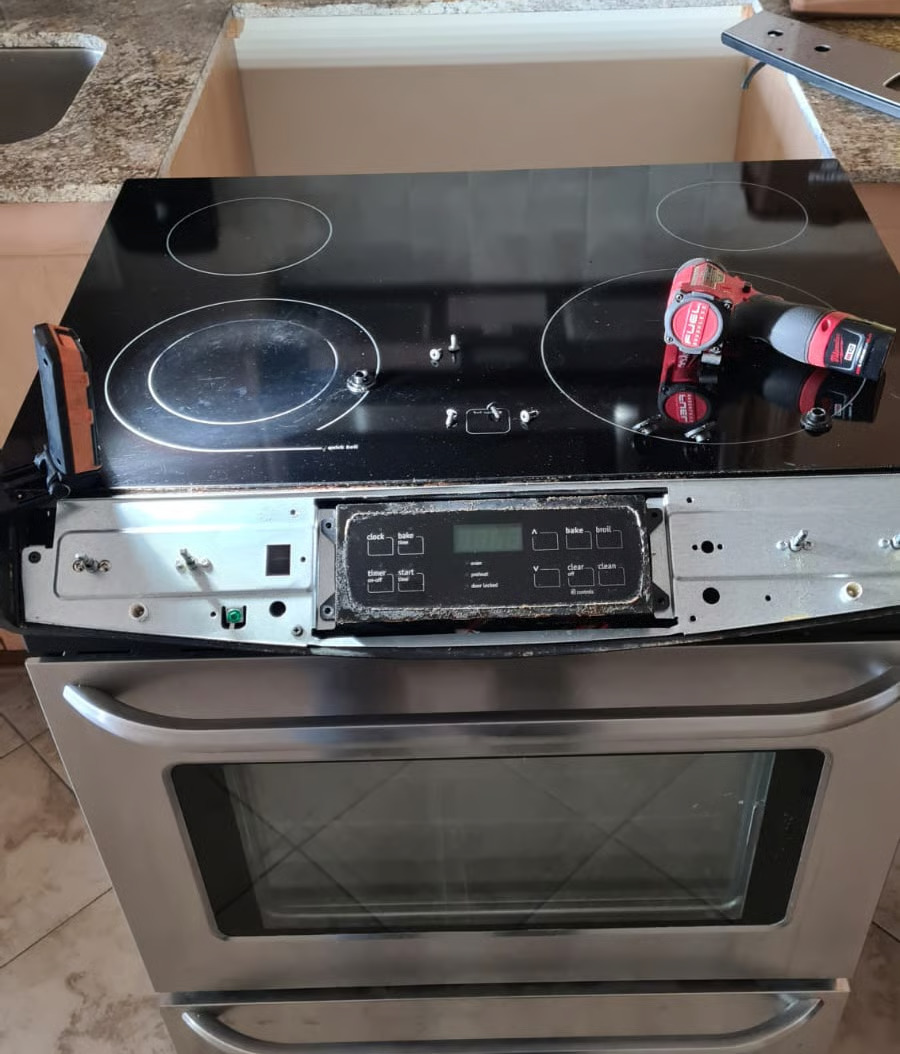
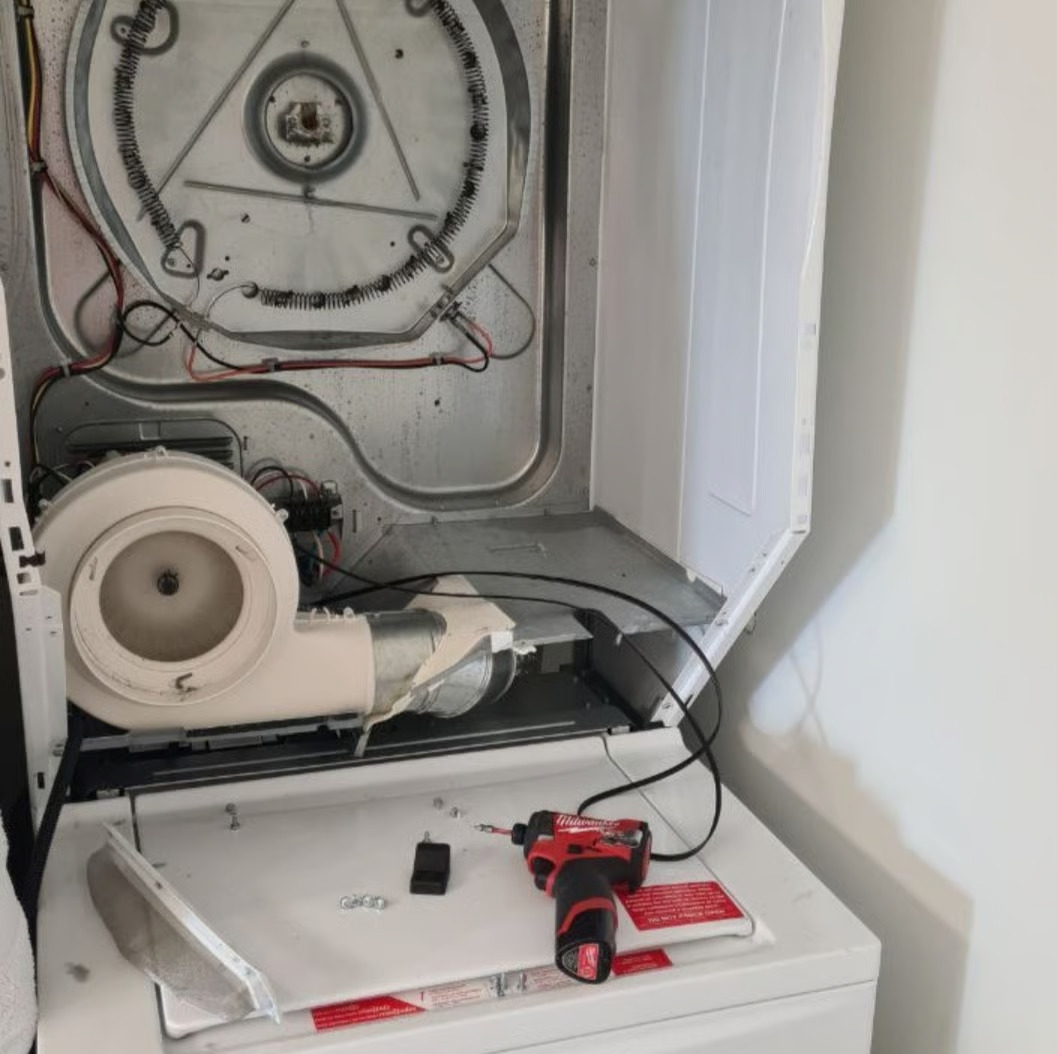
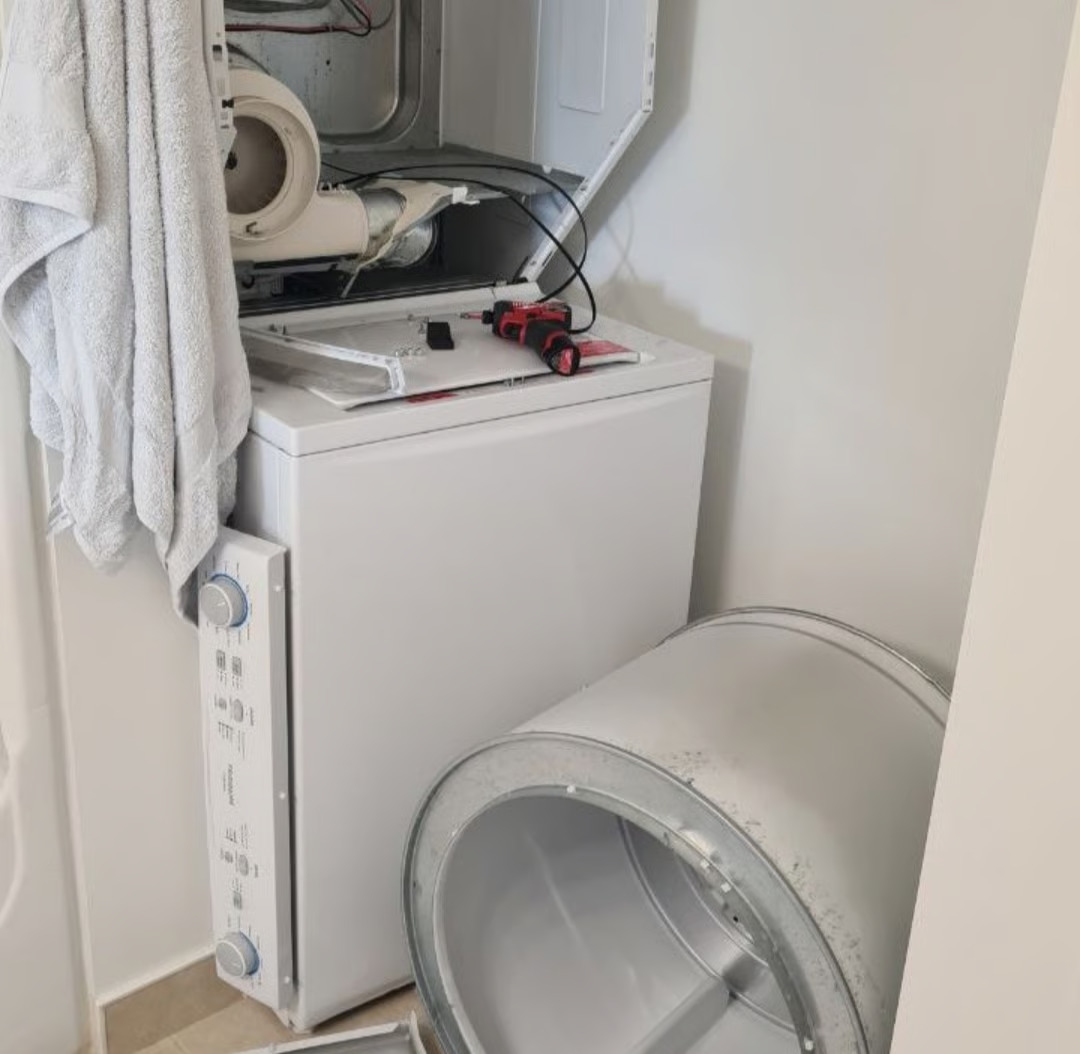
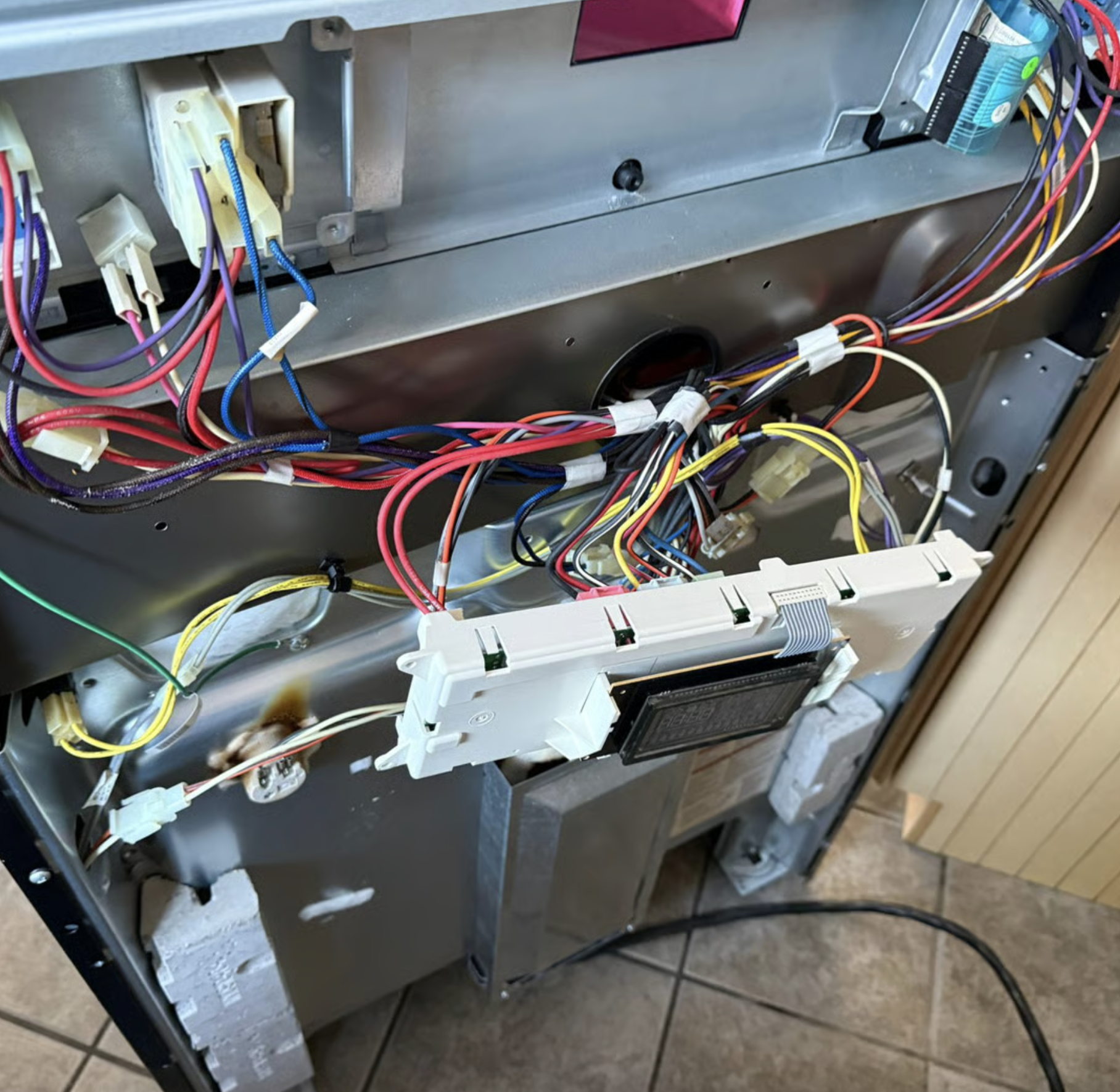
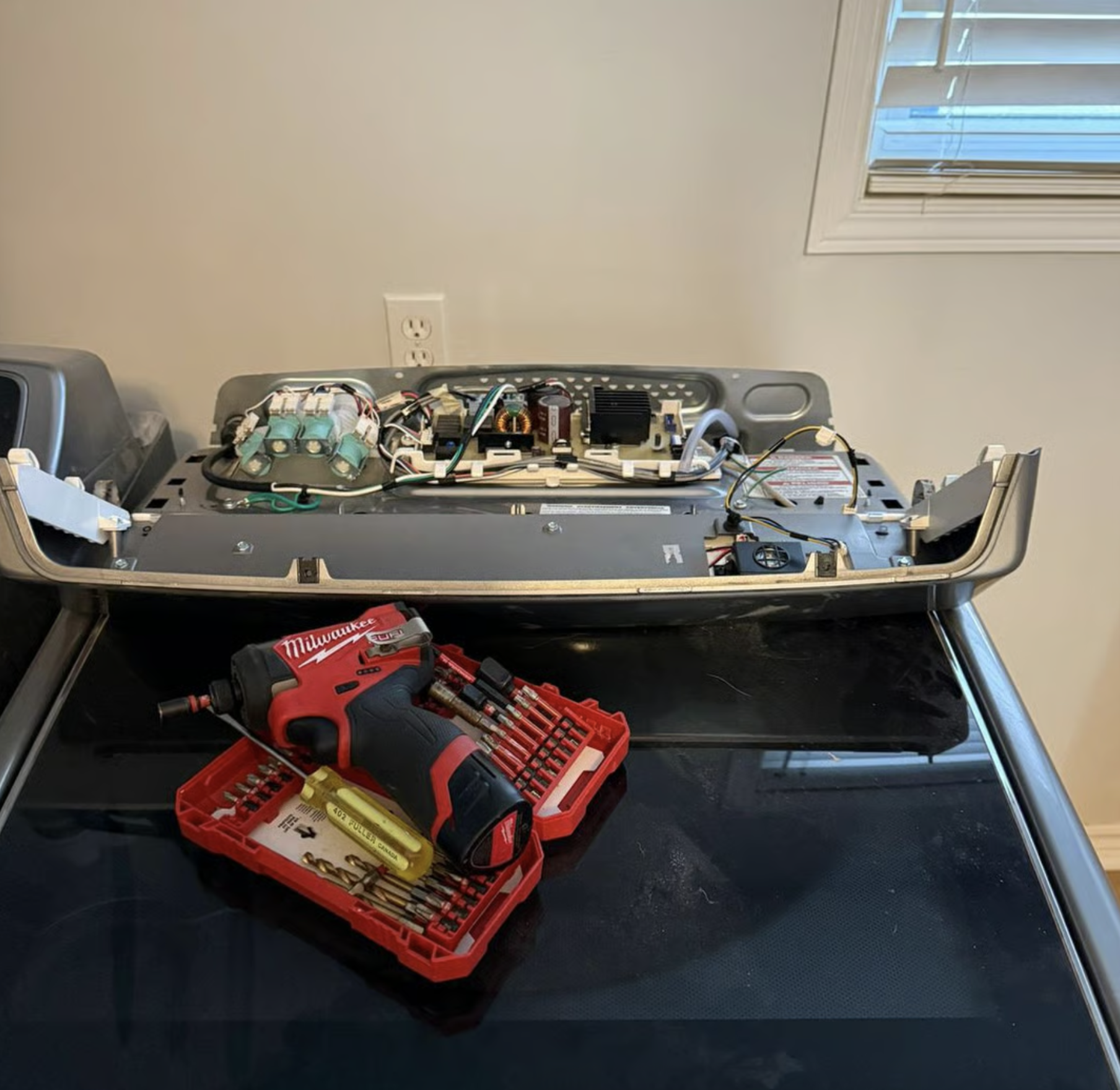
Our Work Speaks for Itself
Real Repairs. Real Results.
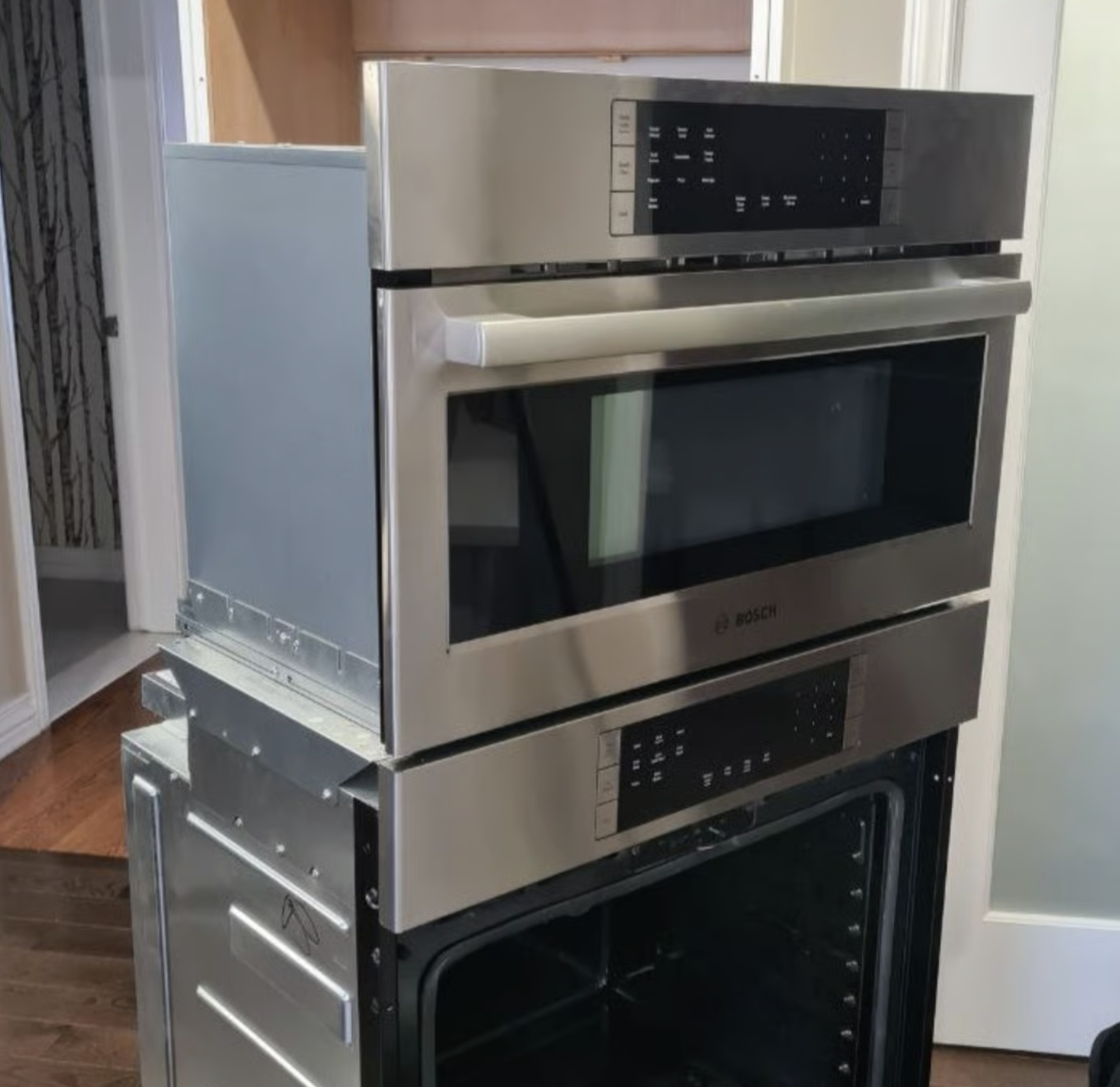
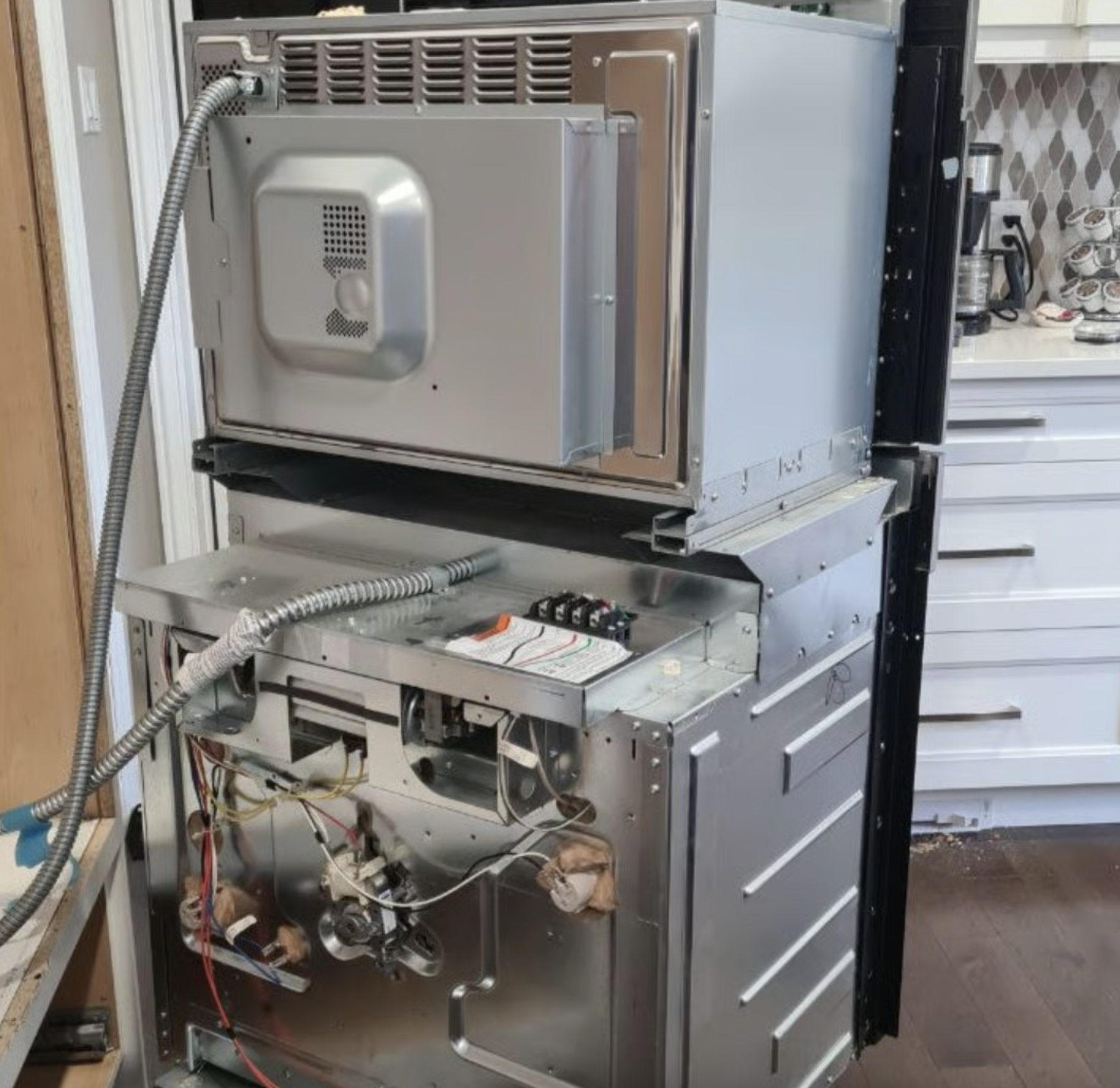
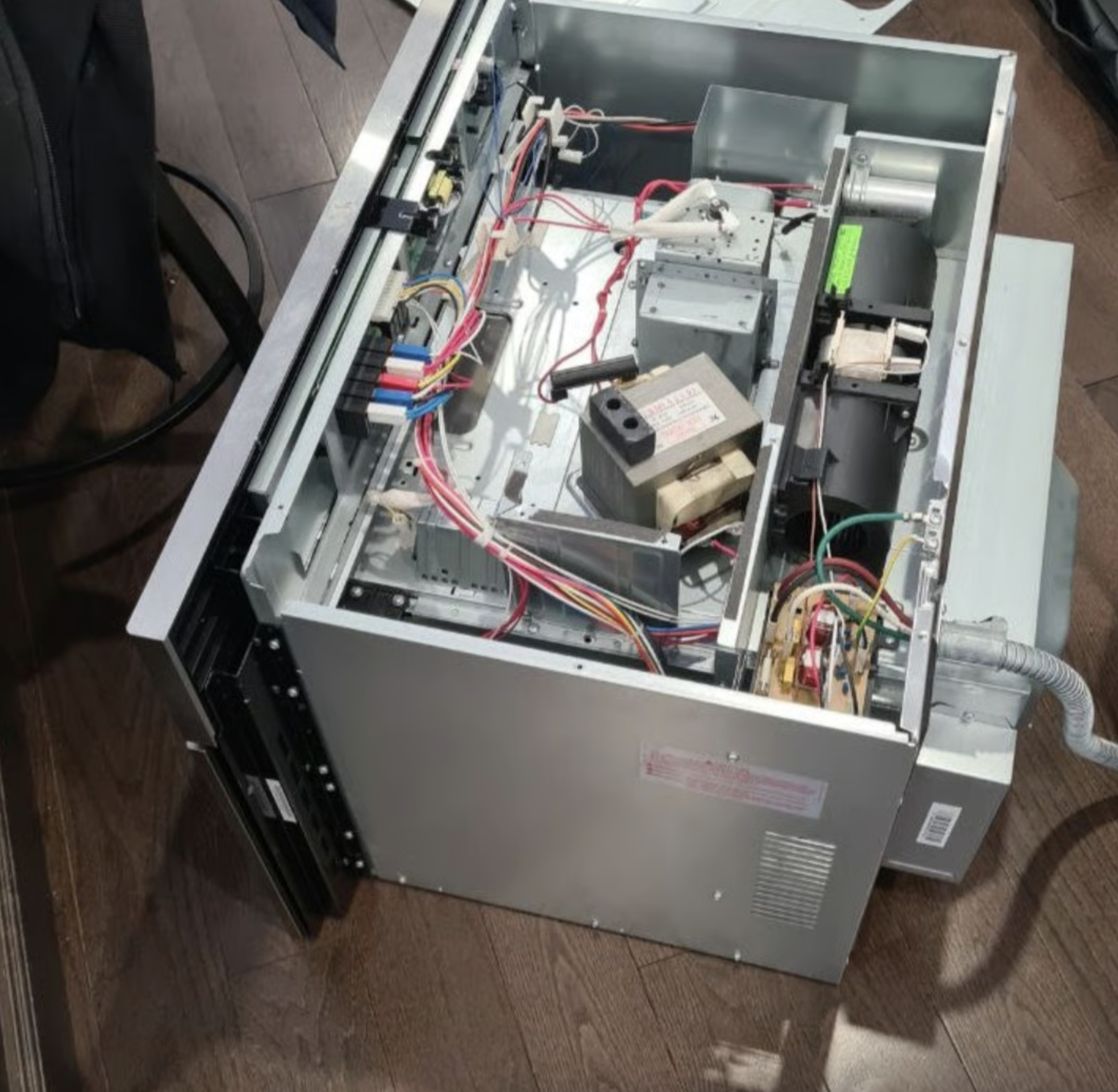
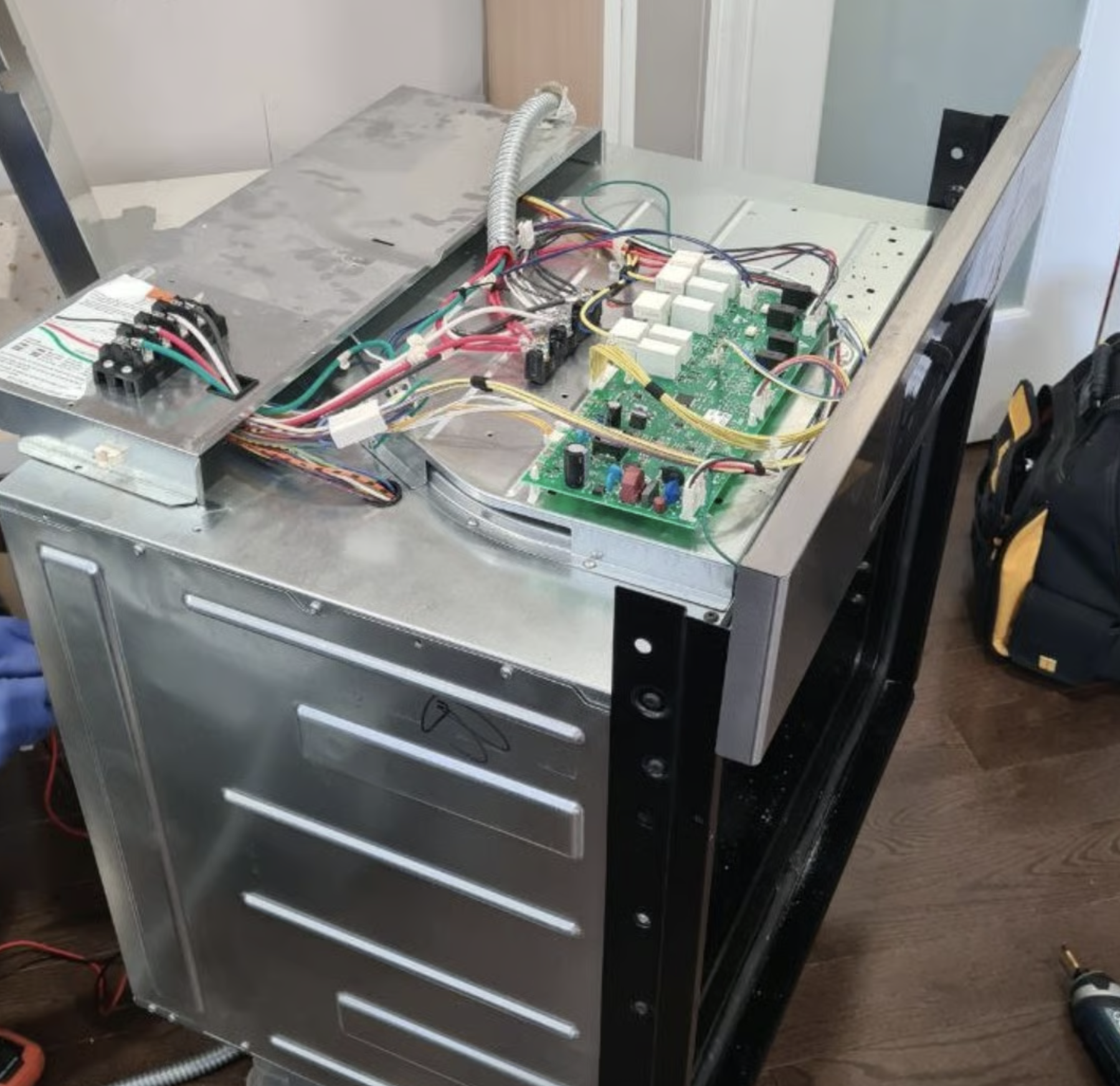
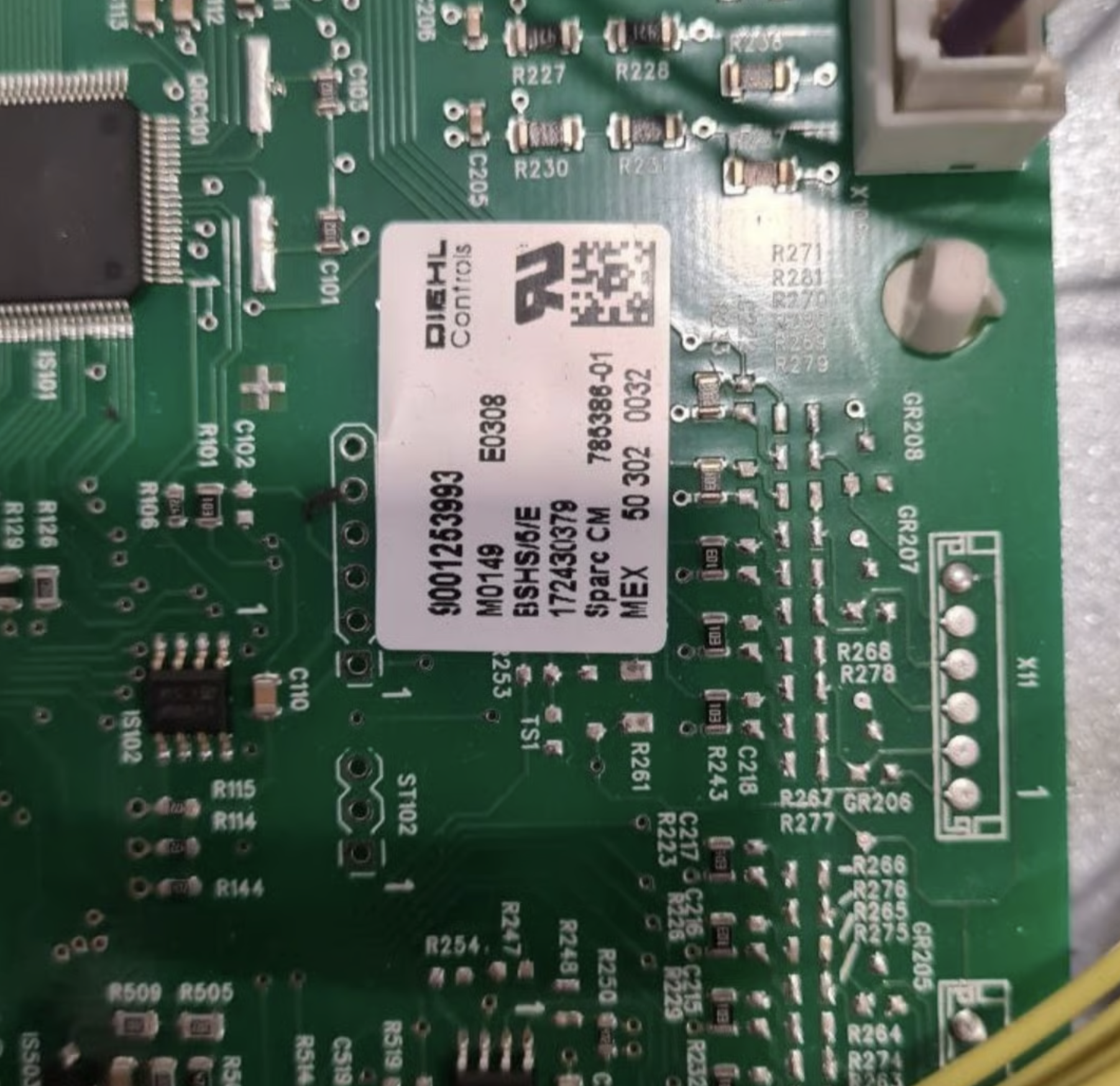
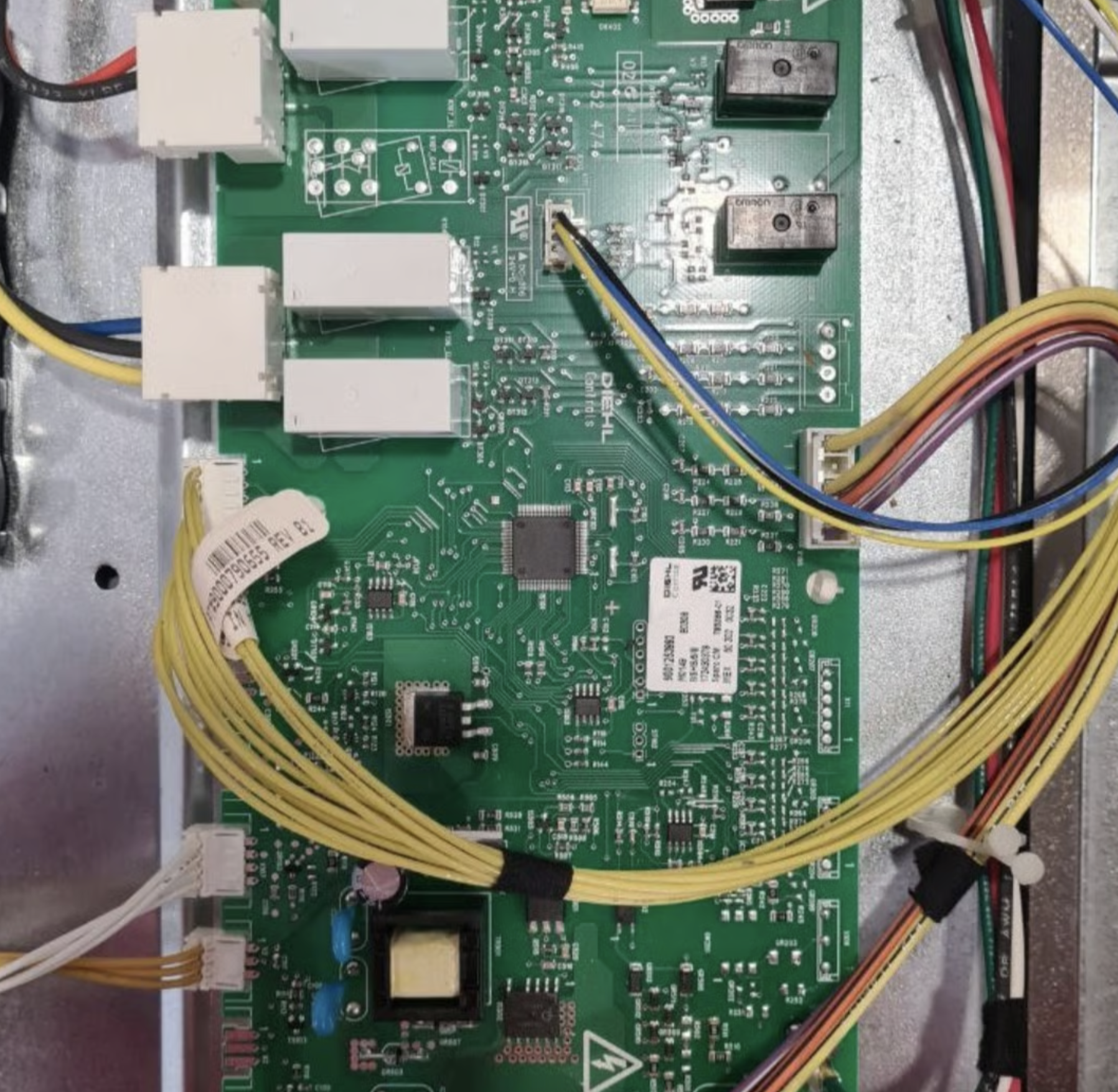
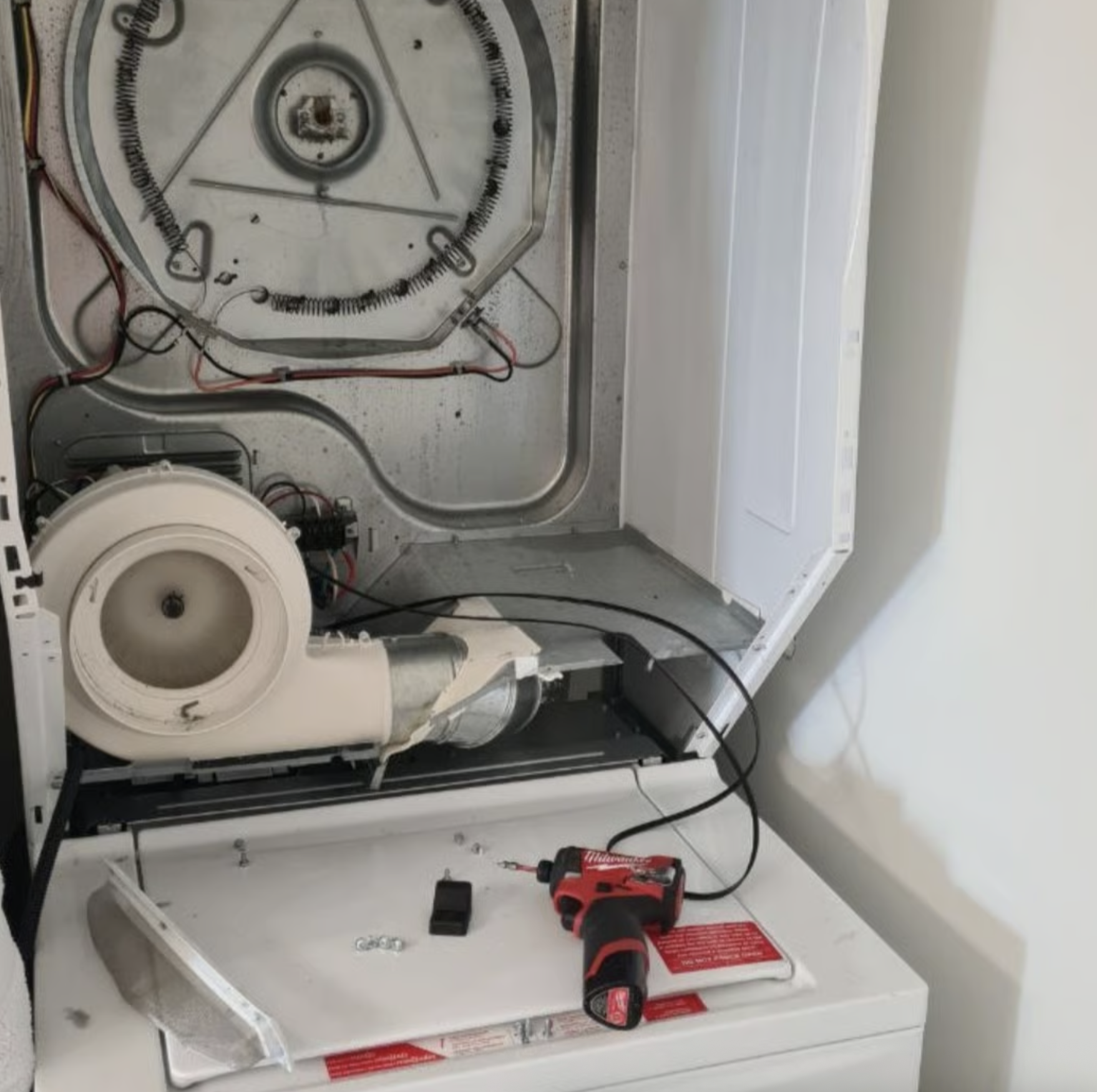
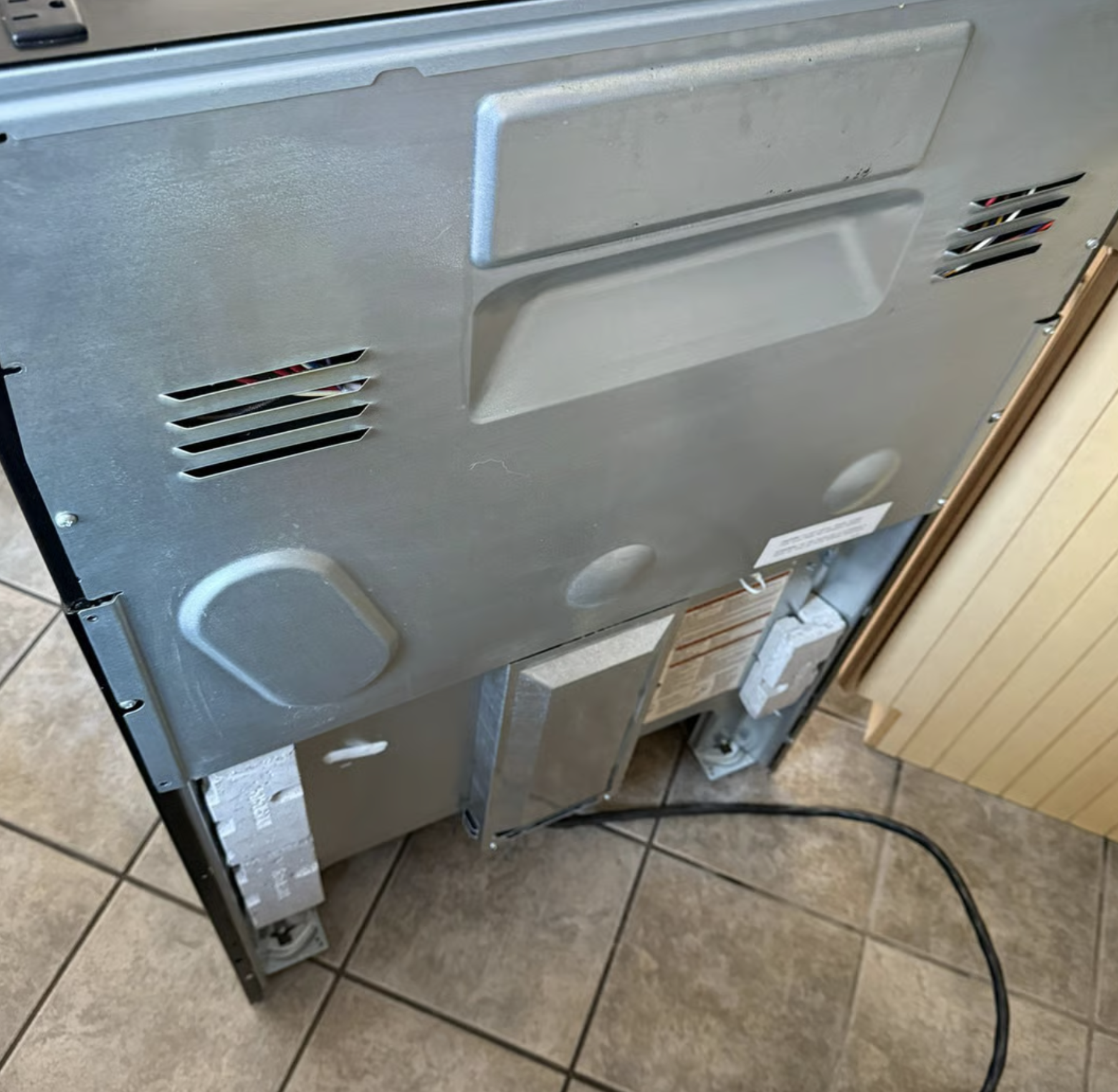
Every refrigerator repair begins with a professional diagnosis and ends with a fully tested appliance. From repairing failed defrost heaters and replacing faulty sensors to restoring airflow and removing severe evaporator ice buildup, YANFIX helps Ottawa homeowners restore reliable cooling performance and prevent recurring frost problems.
You’ve Got Questions?
We’ve Got Answers!
Everything you need to know before you book.
Why does my refrigerator keep building up frost?
Heavy frost buildup usually indicates that the automatic defrost system is no longer working correctly. Failed defrost heaters, faulty sensors, defective thermistors, and control board problems are among the most common causes
Can a refrigerator stop cooling because of a defrost problem?
Yes. When frost accumulates on the evaporator coils, airflow becomes restricted and cooling efficiency declines. Many refrigerators become warm even though the compressor continues running normally.
Why is my refrigerator warm but the freezer still seems cold?
Yes. A damaged gasket allows cold air to escape and warm air to enter. This forces the refrigerator to run longer cooling cycles, increases energy consumption, and can lead to frost buildup and food spoilage.
How can I tell if my defrost heater is bad?
A failed defrost heater often leads to heavy frost accumulation on the evaporator coils. However, similar symptoms can also be caused by sensors, thermistors, wiring problems, and control board failures. Professional testing is usually required for an accurate diagnosis.
Will unplugging the refrigerator fix a defrost problem?
Unplugging the refrigerator may temporarily melt accumulated ice and restore airflow. However, if the failed component is not repaired, frost buildup will usually return and the same cooling problems will reappear.
How long does a refrigerator defrost repair take?
Most refrigerator defrost repairs can be completed during a single service visit once the failed component has been identified and replacement parts are available. Repair times vary depending on the refrigerator model and the specific failure.
Is it worth repairing a refrigerator with a defrost problem?
In many cases, yes. Defrost heaters, sensors, thermistors, wiring faults, and control board issues can often be repaired for significantly less than replacing the entire refrigerator.
Do you repair all refrigerator brands?
Yes. YANFIX repairs Samsung, LG, Whirlpool, KitchenAid, GE, Frigidaire, Maytag, Electrolux, Bosch, and most other major refrigerator brands commonly found in Ottawa homes.
Need Refrigerator Defrost Repair In Ottawa?
If your refrigerator is covered in frost, losing airflow, running constantly, or no longer maintaining proper temperatures, YANFIX can help.
Our technicians diagnose the source of the defrost failure, explain your repair options, and restore reliable cooling performance.
Book Your Refrigerator Repair Today
Call YANFIX or use the contact form below to schedule service.
Contact Information
- 18 Inwood Drive Kanata, Ontario, K2M 1Z5
- +1613913-30-23
- support@yanfix.com