
Refrigerator
Freezing Food
in Ottawa?
Food Freezing In The Fresh Food Section? We’ll Find The Cause And Restore Proper Temperature Control.
A refrigerator should keep food cold, not frozen. If vegetables, drinks, dairy products, leftovers, or other fresh foods are freezing inside the refrigerator compartment, the appliance may have a temperature control, airflow, sensor, or electronic control problem.
YANFIX provides professional refrigerator repair throughout Ottawa. We diagnose temperature regulation issues, identify the failed component, and restore proper refrigerator performance on all major brands.
Food freezing inside the refrigerator compartment is a common complaint among homeowners. While the freezer is designed to maintain freezing temperatures, the fresh food section should remain cold enough to preserve food without causing it to freeze.
This problem can be caused by faulty temperature sensors, defective thermostats, airflow problems, evaporator system issues, electronic control failures, or improperly operating dampers. In some cases, only certain areas of the refrigerator freeze food, while the rest of the compartment appears normal.
Because multiple components influence temperature regulation, professional diagnosis is often required to determine the exact source of the problem.
YANFIX provides professional refrigerator repair throughout Ottawa. We diagnose refrigerator temperature problems, explain repair options clearly, and restore consistent cooling performance.
COMMON CAUSES OF FOOD FREEZING IN A REFRIGERATOR
| Cause | Typical Symptom | Professional Repair Needed? |
|---|---|---|
| Faulty Thermistor | Incorrect temperature readings | Yes |
| Damper Control Failure | Too much cold air entering refrigerator | Yes |
| Temperature Control Problem | Overcooling | Yes |
| Control Board Failure | Inconsistent temperatures | Yes |
| Airflow Restriction | Cold spots inside refrigerator | Sometimes |
| Evaporator Fan Problem | Uneven cooling | Yes |
| Incorrect Settings | Food freezing unexpectedly | Sometimes |
| Sensor Failure | Continuous cooling cycles | Yes |
COMPONENTS THAT CAN CAUSE FOOD TO FREEZE
| Component | Applies To | What Fails |
|---|---|---|
| Thermistor | Electronic refrigerators | Reports incorrect temperatures |
| Damper Assembly | Most modern refrigerators | Allows excessive cold airflow |
| Control Board | Electronic models | Mismanages cooling cycles |
| Temperature Control | Most refrigerators | Overcools the compartment |
| Evaporator Fan | Most refrigerators | Creates uneven airflow |
| Air Duct System | Modern refrigerators | Cold air distribution issues |
| Temperature Sensor | Electronic models | Incorrect readings |
| Damper Motor | Advanced models | Fails in open position |
WHY YOUR REFRIGERATOR IS FREEZING FOOD
Faulty Temperature Sensor
Modern refrigerators rely on temperature sensors to monitor conditions inside the fresh food compartment. When a sensor begins providing inaccurate information, the control system may believe the refrigerator is warmer than it actually is. As a result, cooling cycles continue longer than necessary, causing food, drinks, vegetables, and dairy products to freeze unexpectedly.
Damper Control Stuck Open
The damper controls how much cold air moves from the freezer into the refrigerator section. If the damper becomes stuck in the open position, excessive cold air continuously enters the fresh food compartment. This often creates freezing temperatures near vents and can cause food to freeze even when the refrigerator appears to be operating normally.
Defective Thermistor
A thermistor measures temperature and sends information to the refrigerator’s control system. If the thermistor fails or becomes inaccurate, cooling cycles may no longer be regulated correctly. The refrigerator may continue running longer than necessary, creating temperatures low enough to freeze food throughout parts of the fresh food compartment.
Control Board Problems
The control board manages communication between sensors, fans, dampers, and cooling components. When the board develops faults, it may incorrectly command the refrigerator to continue cooling even after the desired temperature has been reached. This can result in frozen produce, beverages, leftovers, and other fresh food items.
Incorrect Temperature Settings
Sometimes food freezes because the refrigerator temperature has been set too low. A setting that is only a few degrees colder than recommended can create freezing conditions in certain areas of the compartment. This issue is especially common during seasonal temperature changes or after settings are adjusted accidentally.
Excessive Airflow Near Food Storage Areas
Cold air entering through vents can create localized freezing zones inside the refrigerator. Food stored directly in front of these vents may freeze even though temperatures elsewhere remain normal. Vegetables, fruits, dairy products, and beverages are particularly susceptible to freezing when exposed to constant cold airflow.
Evaporator Fan Problems
The evaporator fan distributes cold air throughout the refrigerator. If the fan operates incorrectly or airflow becomes uneven, certain sections may become significantly colder than others. This uneven cooling often creates isolated freezing areas while other parts of the refrigerator maintain normal temperatures.
Damper Motor Failure
Many modern refrigerators use a motorized damper to regulate airflow between compartments. If the motor fails in an open position, excessive cold air may continuously enter the fresh food section. This can create persistent freezing problems that cannot be corrected through temperature setting adjustments alone.
Food Placement Issues
Although not always a mechanical failure, food placement can contribute to freezing problems. Items stored directly against rear walls, cooling vents, or airflow channels may experience temperatures much colder than the rest of the compartment. This often affects vegetables, drinks, eggs, and dairy products first.
Sensor Communication Problems
Modern refrigerators often use multiple sensors working together to maintain stable temperatures. If communication between sensors and control systems becomes unreliable, cooling cycles may operate incorrectly. These faults can create inconsistent temperatures, causing some foods to freeze while others remain properly chilled.
Continuous Cooling Cycles
A refrigerator that runs almost continuously may eventually overcool the fresh food compartment. Problems involving sensors, thermostats, control boards, airflow systems, and dampers can all prevent normal cycling. As cooling cycles become longer and more frequent, food freezing becomes increasingly likely.
Multiple Temperature Control Failures
In older refrigerators, more than one component may contribute to the problem. A weak sensor, partially failed damper, and aging control system can combine to create persistent freezing issues. Professional diagnosis helps identify all contributing factors and prevents unnecessary replacement of parts that are still functioning correctly.
SIGNS YOUR REFRIGERATOR TEMPERATURE CONTROL MAY REQUIRE REPAIR
Food Is Freezing In The Fresh Food Section
The most obvious sign of a temperature control problem is food freezing inside the refrigerator compartment. Vegetables, fruits, drinks, dairy products, eggs, and leftovers may develop ice crystals or become completely frozen. This usually indicates that temperatures inside the fresh food section are dropping below their intended range.
Only Certain Areas Of The Refrigerator Freeze Food
Many homeowners notice that food freezes only on specific shelves or in certain sections of the refrigerator. This often points to airflow problems, damper issues, or uneven cold air distribution. Items stored near vents or airflow channels are frequently affected first while other areas remain at normal temperatures.
Vegetables Freeze Inside Crisper Drawers
Crisper drawers are designed to maintain conditions suitable for fresh produce. When vegetables begin freezing inside these drawers, the refrigerator may be receiving excessive cold airflow or experiencing temperature sensor problems. This symptom often develops gradually before becoming a persistent issue.
Drinks Become Slushy Or Frozen
Beverages require temperatures below normal refrigerator levels before freezing occurs. If water bottles, soft drinks, juice, or other beverages begin forming ice, the refrigerator is likely operating colder than intended. This symptom often indicates airflow control, sensor, thermostat, or electronic control problems.
Ice Crystals Form On Fresh Food
Small ice crystals appearing on fresh food are often an early warning sign of overcooling. Homeowners may initially notice frost-like deposits on vegetables, fruit, or packaged food before complete freezing begins. Early diagnosis can help prevent worsening temperature control problems.
Temperature Fluctuations Occur Throughout The Day
A refrigerator with temperature regulation issues may alternate between normal cooling and excessive cooling. Food may seem properly chilled one day and partially frozen the next. These fluctuations often indicate developing sensor failures, control board problems, or airflow management issues.
The Refrigerator Runs Almost Constantly
A properly functioning refrigerator should cycle on and off throughout the day. If the appliance runs nearly continuously, the fresh food compartment may eventually become colder than intended. Continuous operation is frequently associated with temperature control faults, sensor issues, and electronic control failures.
Food Near Air Vents Freezes Repeatedly
Items stored close to air vents may freeze repeatedly even when food elsewhere remains normal. This often indicates excessive airflow, damper problems, or airflow distribution issues. Homeowners commonly notice the problem affecting milk, vegetables, eggs, and beverages located near vent openings.
Refrigerator Settings No Longer Affect Temperature
If changing the temperature setting produces little or no noticeable difference, the refrigerator may have a failed sensor, thermostat, damper system, or control board problem. The appliance may continue overcooling regardless of user adjustments, leading to persistent food freezing complaints.
Fresh Food Freezes While The Freezer Appears Normal
Many refrigerators with temperature control issues continue maintaining normal freezer temperatures while overcooling the fresh food section. This symptom often points toward airflow management problems, damper failures, sensor issues, or control system faults rather than a problem with the cooling system itself.
Multiple Types Of Food Are Freezing
When vegetables, dairy products, beverages, leftovers, and other foods begin freezing throughout the refrigerator, the problem usually extends beyond simple food placement. Widespread freezing often indicates a system-level temperature regulation issue requiring professional diagnosis.
The Problem Continues To Get Worse
Food freezing problems rarely resolve themselves. What begins as occasional freezing of produce or drinks often develops into a persistent issue affecting larger portions of the refrigerator compartment. As components continue to fail, temperature regulation becomes increasingly inaccurate and repair becomes more urgent.
Why Choose Yanfix
We make appliance repair easy, fast, and reliable
Forget long waits, hidden fees, and sloppy work. At Yanfix, we treat your time and home with respect — delivering expert service you can count on.
Accurate Refrigerator Temperature Diagnostics
Food freezing inside the refrigerator can be caused by sensors, thermistors, dampers, airflow problems, control boards, temperature controls, and cooling system issues. Because several different failures can create nearly identical symptoms, replacing parts without testing often wastes time and money. YANFIX performs complete diagnostics to identify the actual cause before recommending repairs.
Refrigerator Airflow And Damper System Specialists
Many food-freezing problems occur because excessive cold air enters the fresh food compartment. Faulty dampers, airflow restrictions, damaged air channels, and related components can all create freezing temperatures in areas where food should remain properly chilled. We diagnose airflow problems and restore balanced temperature distribution throughout the refrigerator.
Experience With All Major Refrigerator Brands
Different manufacturers use different temperature management systems, sensors, dampers, control boards, and cooling technologies. We repair Samsung, LG, Whirlpool, KitchenAid, GE, Frigidaire, Maytag, Electrolux, Bosch, and many other refrigerator brands commonly found in Ottawa homes.
Refrigerator Temperature Control Repair Experts
Whether vegetables are freezing in crisper drawers, drinks are turning into slush, food near vents is freezing, or the entire fresh food compartment is becoming too cold, we diagnose the root cause and restore proper temperature regulation to help protect food and maintain consistent refrigerator performance.
What You Can Check Before Calling For Service
Check The Refrigerator Temperature Setting
Before assuming a component has failed, verify the refrigerator temperature setting. If the setting has been lowered accidentally or changed during cleaning, food may begin freezing even though the refrigerator appears to be operating normally. Compare the current setting with the manufacturer’s recommendations and allow sufficient time for the appliance to stabilize after any adjustments.
Move Food Away From Air Vents
Cold air enters the fresh food compartment through dedicated vents. Food stored directly in front of these vents may be exposed to significantly colder temperatures than the rest of the refrigerator. Vegetables, beverages, dairy products, and leftovers are often the first items affected. Relocating food away from the vents can help determine whether airflow is contributing to the freezing problem.
Check Whether Food Is Touching The Rear Wall
The rear wall of many refrigerators is one of the coldest areas inside the compartment. Food containers, produce, drinks, and other items placed directly against this surface may freeze even when the overall refrigerator temperature is correct. Moving food slightly forward can help improve airflow and reduce localized freezing.
Determine Whether The Problem Is Localized Or Widespread
Pay attention to whether only certain foods are freezing or whether the problem affects the entire refrigerator. Localized freezing often points toward airflow distribution issues, while widespread freezing may indicate problems with sensors, dampers, temperature controls, or electronic systems. Understanding the pattern helps narrow down possible causes.
Check For Blocked Airflow Paths
Refrigerators depend on proper airflow to maintain consistent temperatures. Large containers, food packages, and overcrowded shelves can interfere with air circulation and create unusually cold zones. Inspect the compartment and ensure that vents, channels, and major airflow paths remain unobstructed.
Verify The Refrigerator Is Not Overpacked
An overloaded refrigerator can prevent cold air from circulating evenly. Restricted airflow may create cold pockets where temperatures drop low enough to freeze food. Organizing the contents and allowing space between items can improve air movement and help identify whether storage conditions are contributing to the problem.
Monitor Which Foods Freeze First
Certain foods freeze more easily than others. Vegetables, fruits, eggs, milk, bottled drinks, and leftovers often show symptoms first. Identifying which products are freezing and where they are stored can provide useful clues about airflow patterns and temperature distribution inside the refrigerator.
Check For Frost Buildup Inside The Freezer
Excessive frost accumulation can affect airflow throughout the refrigerator. When airflow patterns change, some areas of the fresh food compartment may receive more cold air than intended. Inspect the freezer for unusual frost buildup, particularly around vents, panels, and airflow passages.
Observe Whether The Refrigerator Runs Continuously
A refrigerator should cycle on and off throughout the day. If it seems to run almost constantly, the fresh food compartment may eventually become colder than intended. Continuous operation can indicate problems with sensors, thermostats, control boards, dampers, or other temperature regulation components.
Test Different Shelf Locations
Move a few affected food items to different shelves and monitor the results for several days. If freezing occurs only in specific locations, airflow distribution or vent placement may be involved. If food freezes throughout the refrigerator regardless of location, a broader temperature control problem becomes more likely.
Verify That Temperature Adjustments Produce Results
After changing the refrigerator temperature setting, monitor performance for at least 24 hours. If food continues freezing despite warmer settings, the refrigerator may have a faulty sensor, thermistor, damper, or control board problem preventing normal temperature regulation.
Schedule Professional Diagnosis If The Problem Continues
If food continues freezing after performing basic checks, the refrigerator likely has a temperature management problem that requires professional diagnosis. Components such as thermistors, dampers, sensors, control boards, and airflow systems often require testing before the exact cause can be identified and repaired.
HOW YANFIX FIXES A REFRIGERATOR THAT IS FREEZING FOOD
Step 1 — Confirm The Temperature Complaint
We begin by determining exactly how the refrigerator is behaving. Some refrigerators freeze food throughout the compartment, while others only affect specific shelves, drawers, or areas near air vents. Understanding the pattern helps narrow down the possible causes before testing begins.
Step 2 — Measure Actual Refrigerator Temperatures
The refrigerator compartment is tested using accurate temperature measurements rather than relying solely on display settings. This allows us to determine whether the appliance is truly overcooling and identify areas that may be significantly colder than intended.
Step 3 — Inspect Airflow Distribution
Proper airflow is essential for maintaining consistent temperatures. We inspect air vents, airflow channels, dampers, and circulation pathways to determine whether excessive cold air is being directed into specific areas of the refrigerator compartment.
Step 4 — Test The Damper Assembly
The damper controls the amount of cold air entering the fresh food section from the freezer. We inspect damper operation, movement, positioning, and airflow regulation. A damper stuck open is one of the most common causes of food freezing inside the refrigerator compartment.
Step 5 — Diagnose Temperature Sensors And Thermistors
Temperature sensors and thermistors provide critical information to the refrigerator’s control system. We test these components for accuracy and proper operation. Incorrect temperature readings often cause excessive cooling cycles that result in frozen food.
Step 6 — Evaluate The Control Board
The control board manages communication between sensors, dampers, fans, and cooling components. We inspect the electronic control system for faults that may cause the refrigerator to continue cooling after the desired temperature has already been reached.
Step 7 — Inspect Evaporator Fan Operation
The evaporator fan distributes cold air throughout the appliance. We verify proper fan speed, airflow performance, and overall operation. Uneven airflow can create cold spots that freeze food in specific sections of the refrigerator.
Step 8 — Check For Defrost And Frost-Related Issues
Excessive frost accumulation can alter airflow patterns and affect temperature regulation. We inspect the evaporator area, defrost components, and airflow passages to ensure cold air is being distributed properly throughout the refrigerator.
Step 9 — Repair Or Replace The Failed Component
Once the cause of the overcooling has been identified, the defective component is repaired or replaced. Depending on the diagnosis, this may involve dampers, thermistors, sensors, fans, control boards, or related temperature management components.
Step 10 — Verify Proper Temperature Regulation
After repairs are completed, the refrigerator is tested through normal operating cycles. We verify stable temperatures, proper airflow, correct damper operation, and consistent cooling performance to ensure food is no longer freezing inside the fresh food compartment.
REFRIGERATOR BRANDS WE SERVICE IN OTTAWA
Samsung Refrigerator Freezing Food Repair
Samsung refrigerators may freeze food due to faulty thermistors, damper failures, sensor problems, airflow issues, and control board malfunctions. These problems often cause excessive cooling inside the fresh food compartment even when the temperature settings appear normal. We diagnose the exact cause and restore proper temperature regulation.
LG Refrigerator Freezing Food Repair
LG refrigerators rely on sensors, dampers, evaporator fans, and electronic controls to maintain stable temperatures. When one of these systems fails, food may begin freezing inside the refrigerator section. We diagnose overcooling problems and restore balanced airflow and temperature control.
Whirlpool Refrigerator Freezing Food Repair
Whirlpool refrigerators may develop food-freezing complaints due to airflow restrictions, faulty temperature sensors, damper issues, and control system failures. We inspect the complete temperature management system to identify the source of the problem and restore normal operation.
KitchenAid Refrigerator Freezing Food Repair
KitchenAid refrigerators use advanced airflow and temperature regulation systems that can occasionally overcool the fresh food compartment. We diagnose freezing problems involving dampers, sensors, fans, and electronic controls to help protect food from damage.
GE Refrigerator Freezing Food Repair
GE refrigerators may freeze food when temperature sensors become inaccurate, dampers remain open, or airflow becomes uneven. These issues often create cold spots throughout the refrigerator compartment. We identify the root cause and restore proper temperature regulation.
Frigidaire Refrigerator Freezing Food Repair
Frigidaire refrigerators can experience overcooling problems caused by thermistor failures, airflow issues, faulty dampers, and electronic control problems. Our technicians diagnose and repair these conditions to prevent food from freezing unexpectedly.
Maytag Refrigerator Freezing Food Repair
Maytag refrigerators may freeze food due to sensor failures, temperature control issues, airflow restrictions, and damper malfunctions. We perform complete diagnostics to determine why the refrigerator is operating colder than intended.
Electrolux Refrigerator Freezing Food Repair
Electrolux refrigerators depend on precise temperature control and balanced airflow. When sensors, dampers, or electronic controls fail, food may freeze inside the fresh food section. We diagnose the problem and restore proper refrigerator performance.
Bosch Refrigerator Freezing Food Repair
Bosch refrigerators use sophisticated cooling and airflow systems that require accurate communication between sensors and control components. We diagnose food-freezing complaints involving airflow, temperature control, sensors, and electronic systems.
REFRIGERATOR FREEZING FOOD REPAIR COST IN OTTAWA
| Repair Type | Typical Problem | Estimated Cost |
|---|---|---|
| Temperature Diagnosis | Food freezing inside refrigerator | $80–$180 |
| Thermistor Replacement | Incorrect temperature readings | $80–$250 |
| Temperature Sensor Repair | Overcooling problems | $80–$250 |
| Damper Assembly Repair | Excessive cold airflow | $80–$350 |
| Damper Motor Replacement | Damper stuck open | $80–$350 |
| Evaporator Fan Repair | Uneven airflow distribution | $80–$350 |
| Control Board Repair | Temperature regulation failure | $80–$600 |
| Defrost System Repair | Airflow and frost-related issues | $80–$350 |
Repair costs vary depending on the refrigerator brand, failed component, labour required, and replacement parts. A professional diagnosis is required before an accurate repair estimate can be provided.
CUSTOMER REVIEWS
Vegetables Stopped Freezing
“Our refrigerator kept freezing vegetables in the crisper drawers. YANFIX found a faulty damper assembly and corrected the problem. Everything stays fresh now.”
— Christopher N., Blackburn Hamlet
★★★★★
Excellent Temperature Diagnosis
“Our Samsung refrigerator was freezing milk and drinks. Yan diagnosed a failed temperature sensor and restored normal cooling. Very professional service.”
— Amanda W., Manor Park
★★★★★
Solved An Ongoing Freezing Problem
“We had been adjusting the temperature for months with no success. YANFIX identified a control issue and fixed it. Food no longer freezes inside the refrigerator.”
— Brian F., Heron Gate
★★★★★
Refrigerator Repair Service Areas
We provide Refrigerator repair throughout Ottawa and nearby communities. Our technicians travel across the city every day, offering same-day Refrigerator repair for all major brands and models. Select your area below to learn more about Refrigerator repair services available in your neighbourhood.







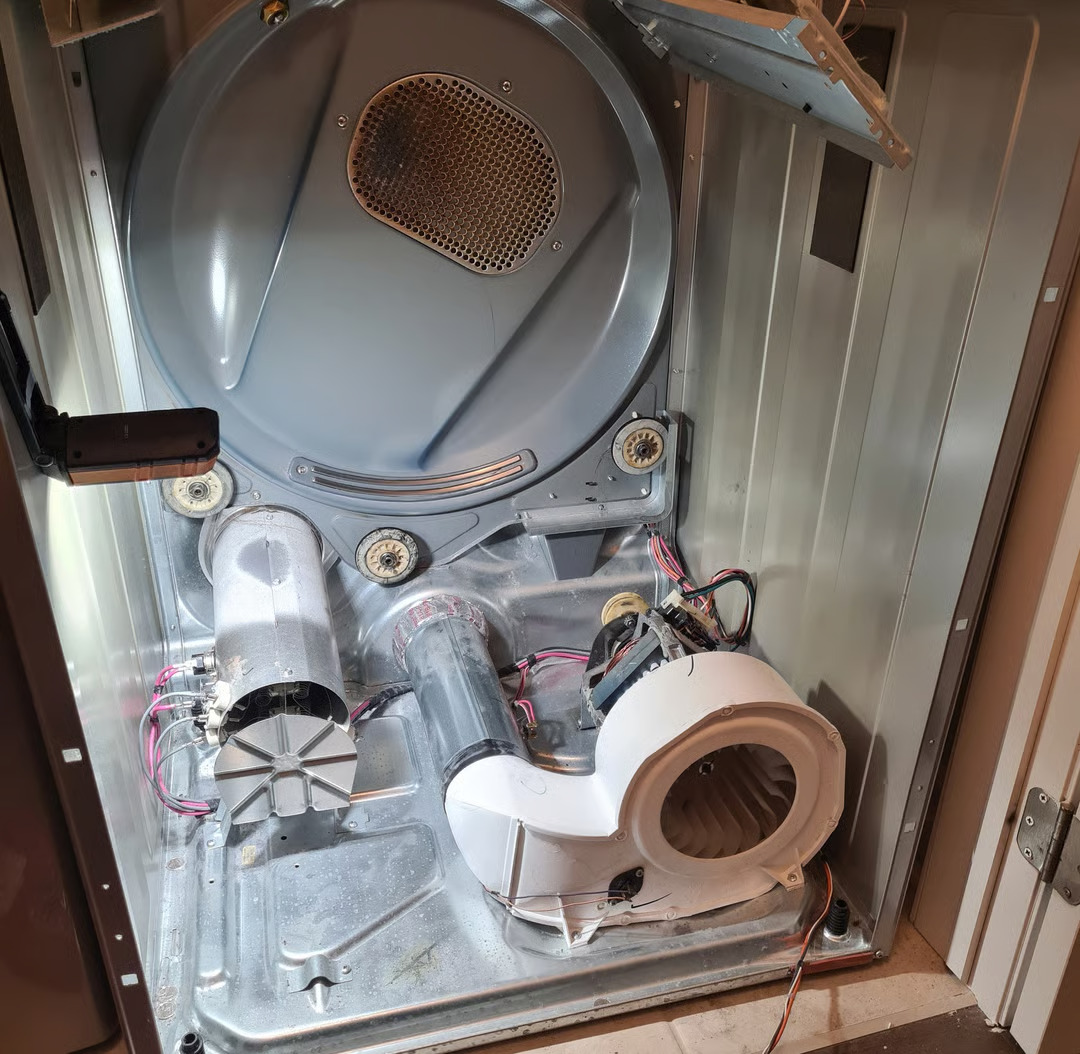
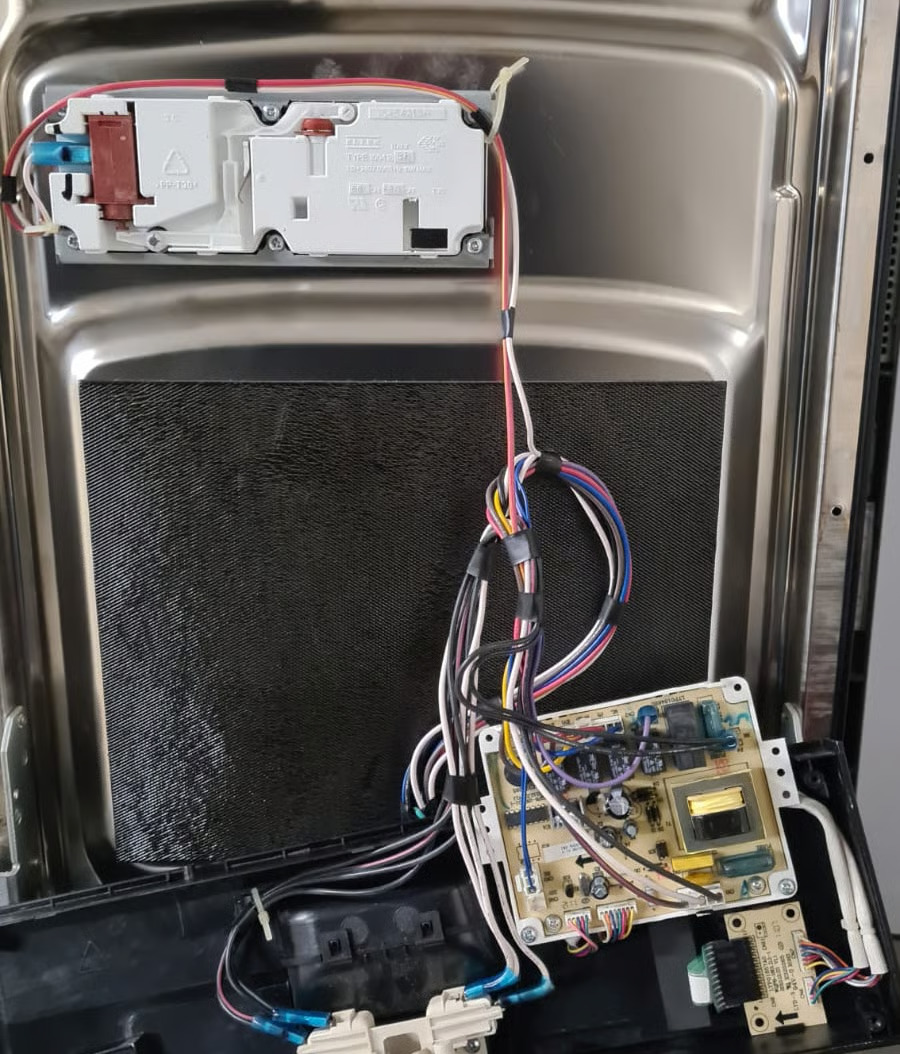
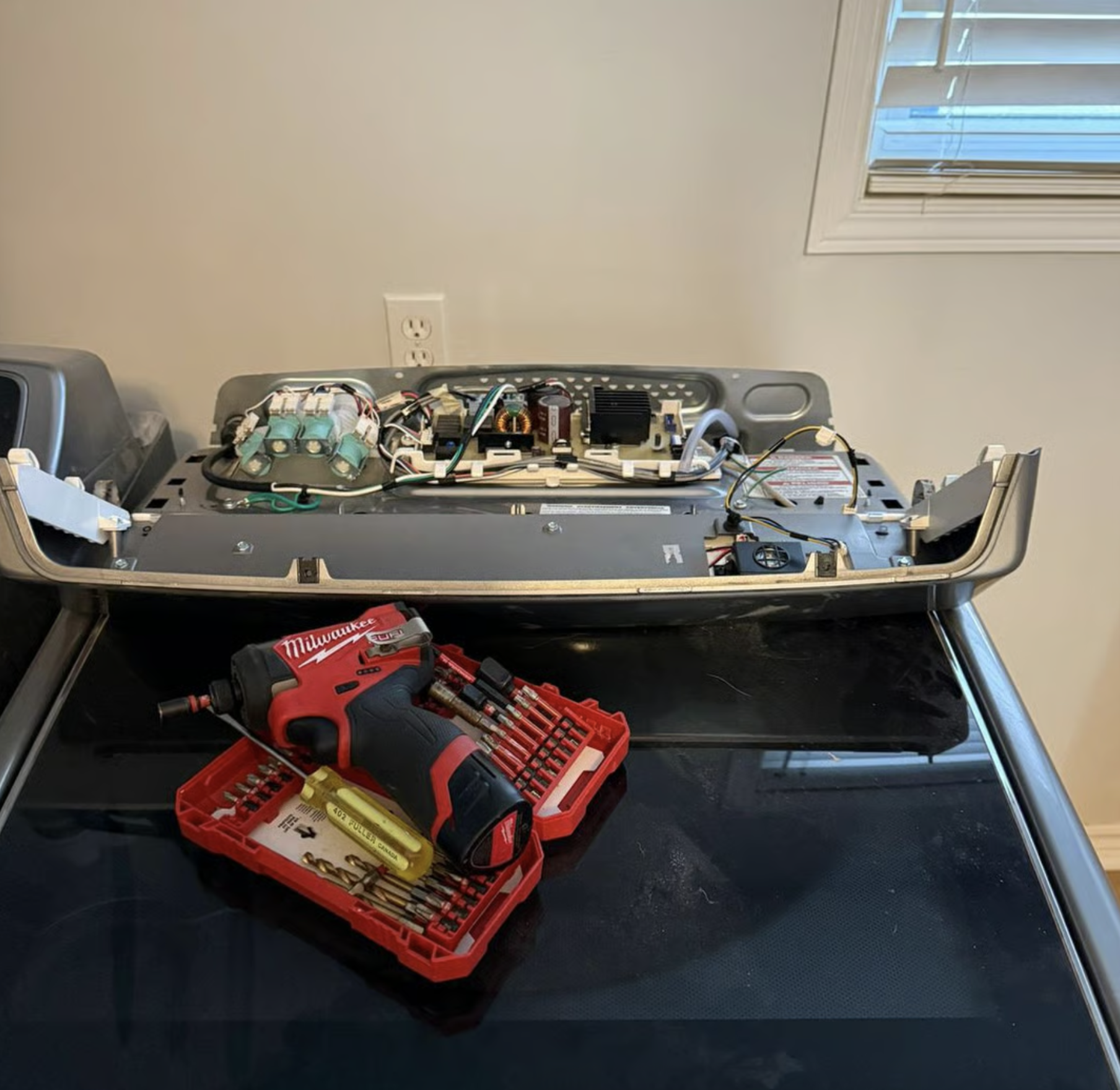
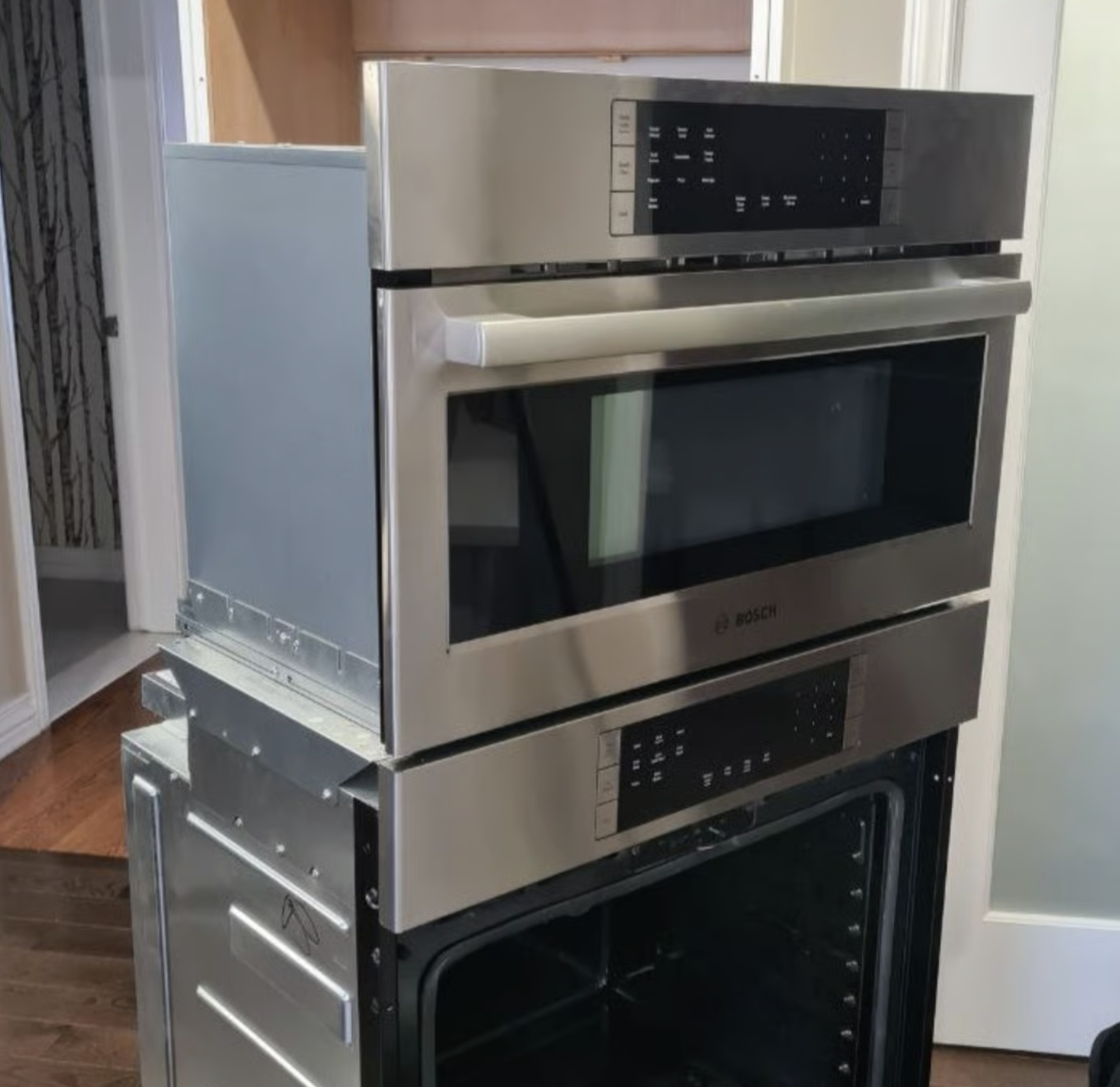
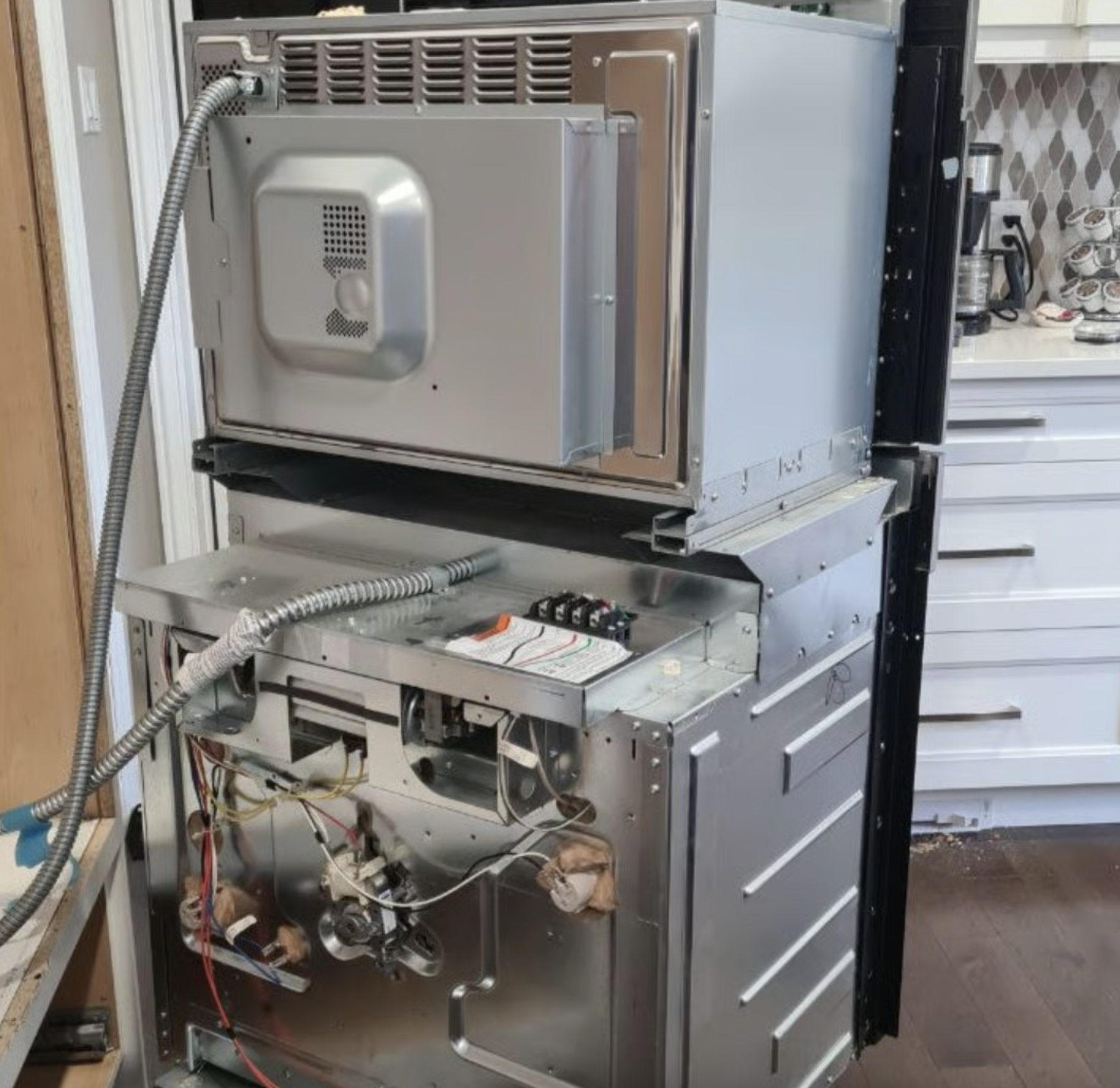
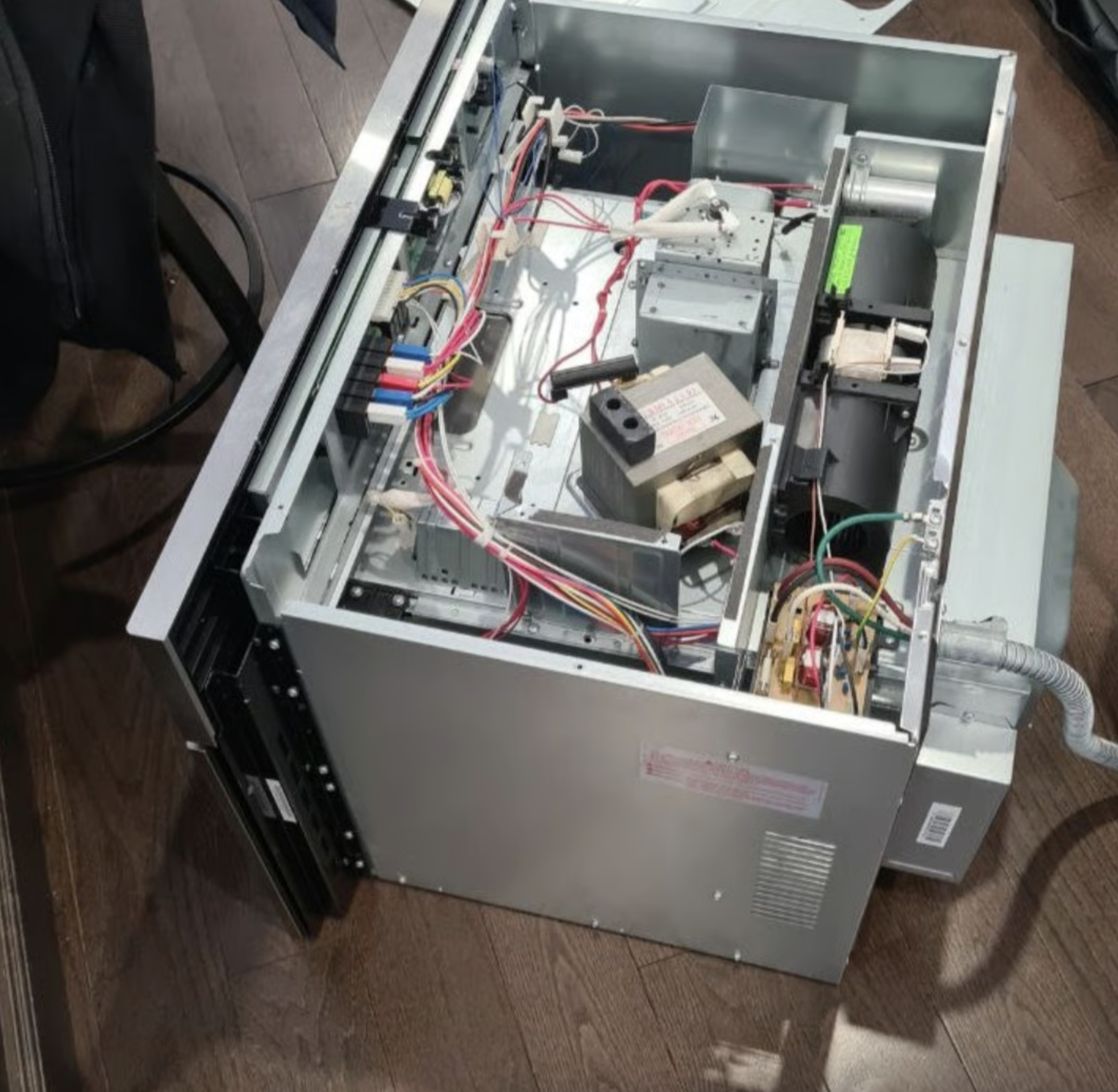
Our Work Speaks for Itself
Real Repairs. Real Results.
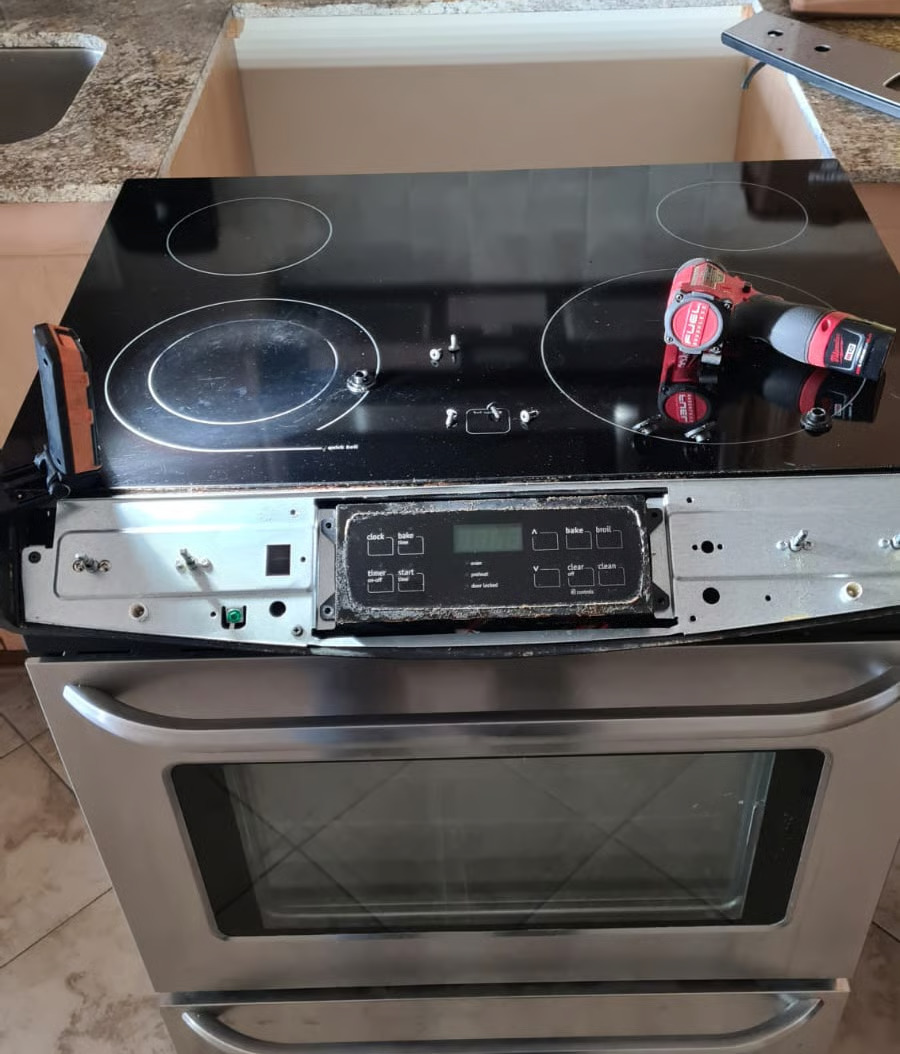
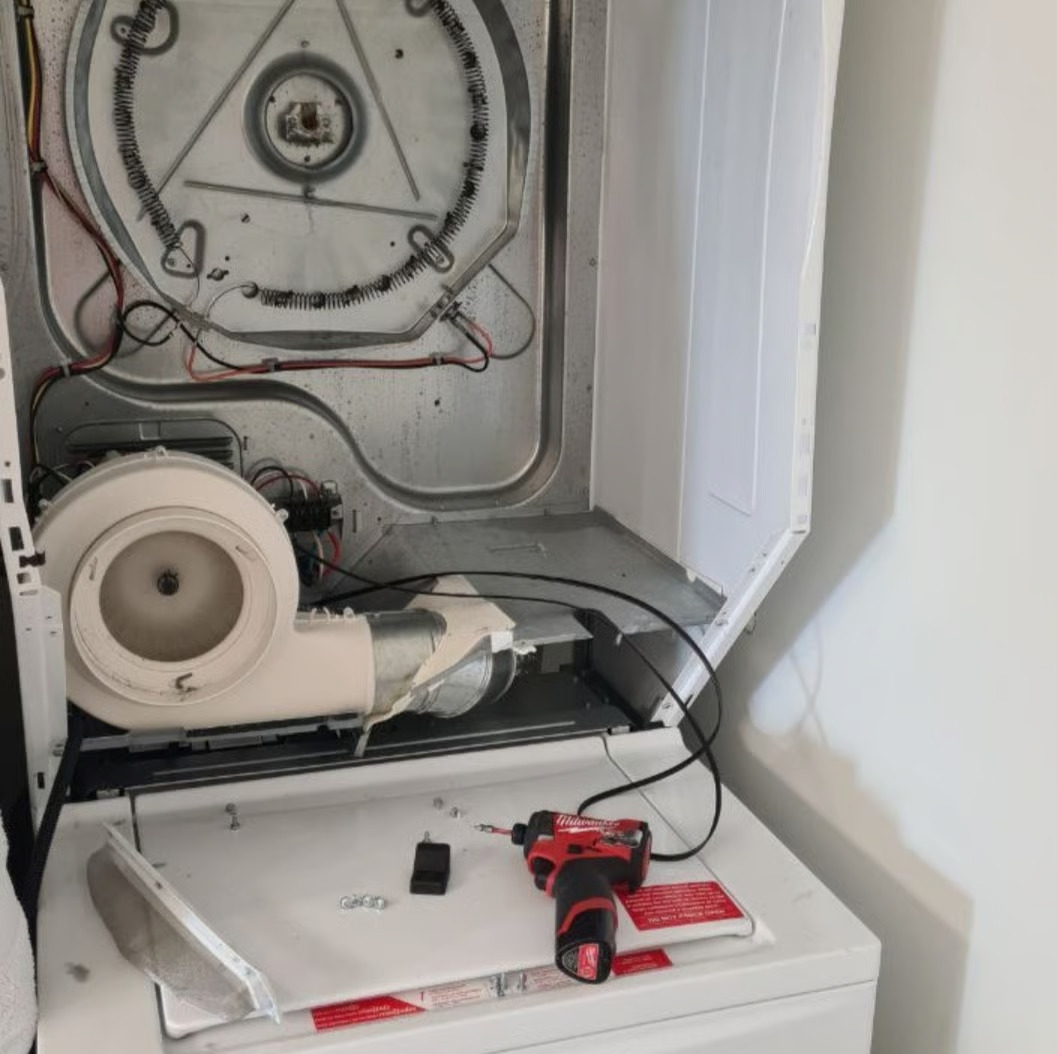
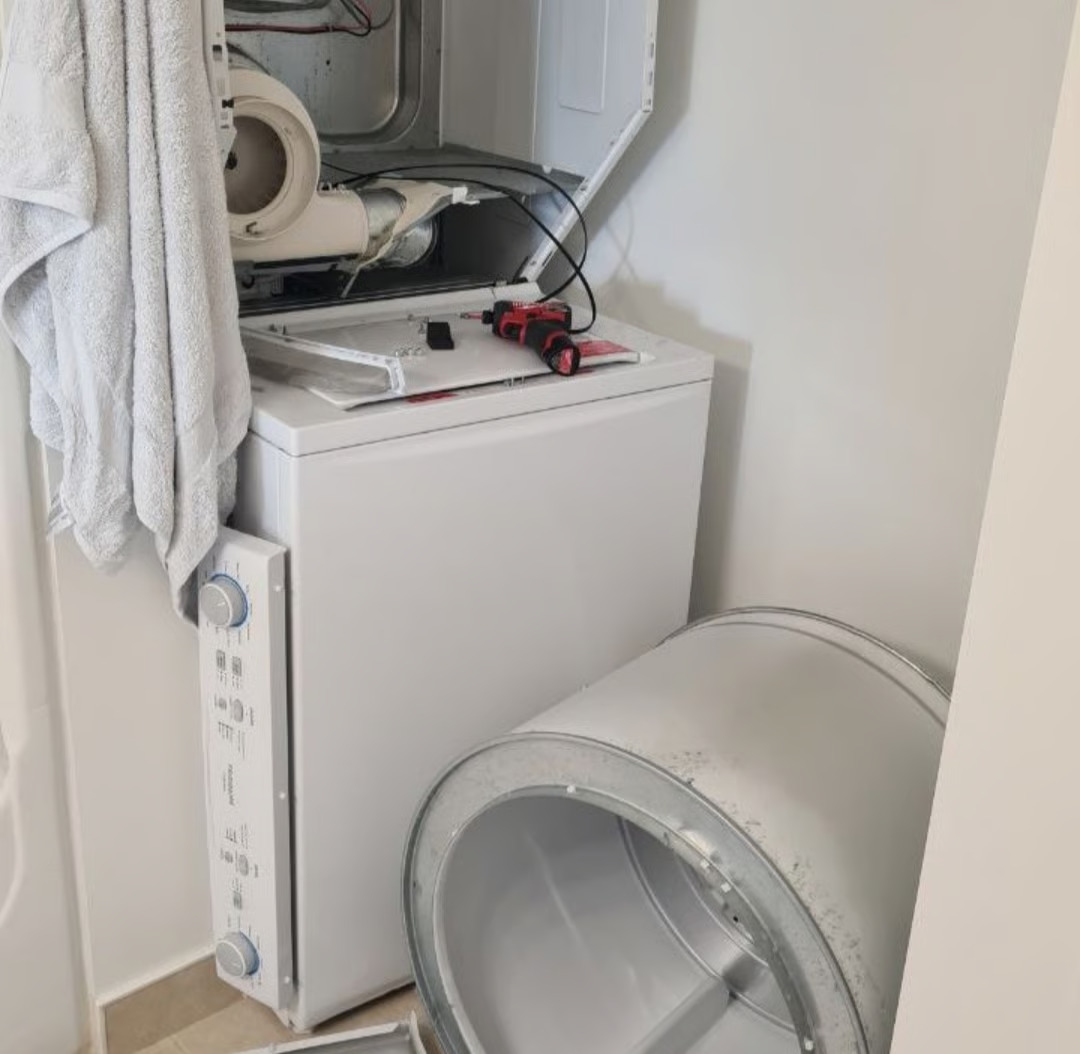
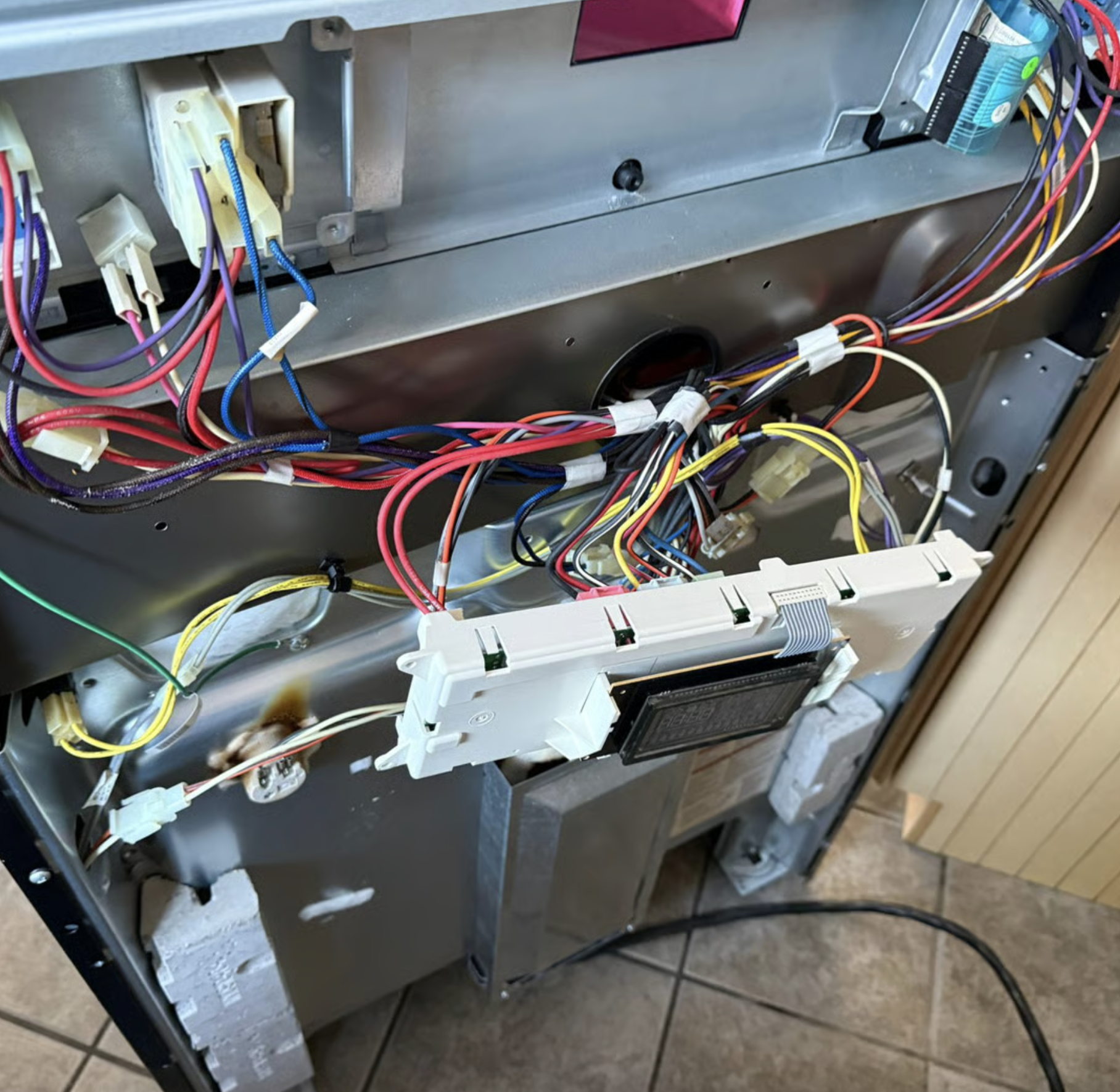
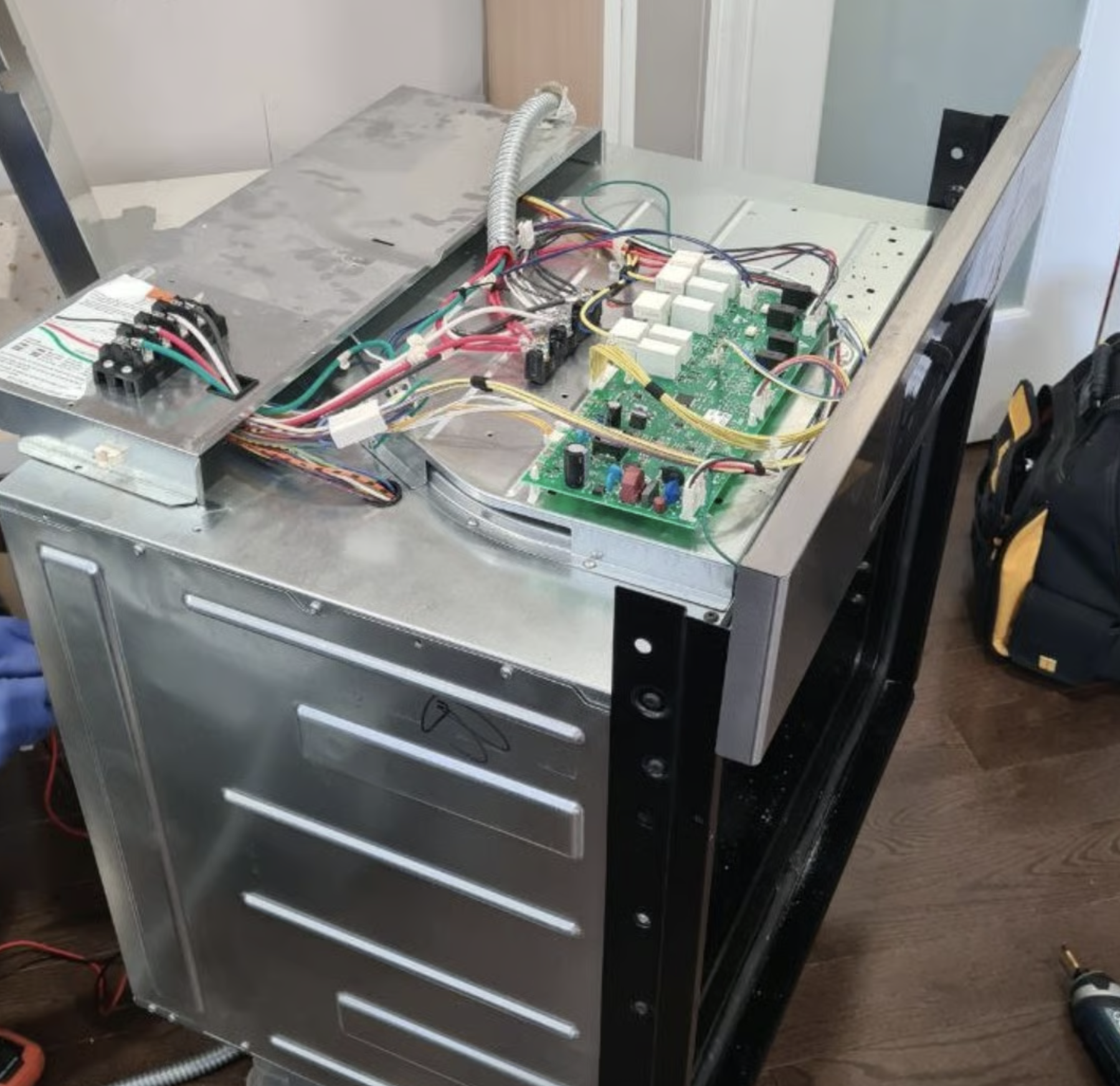
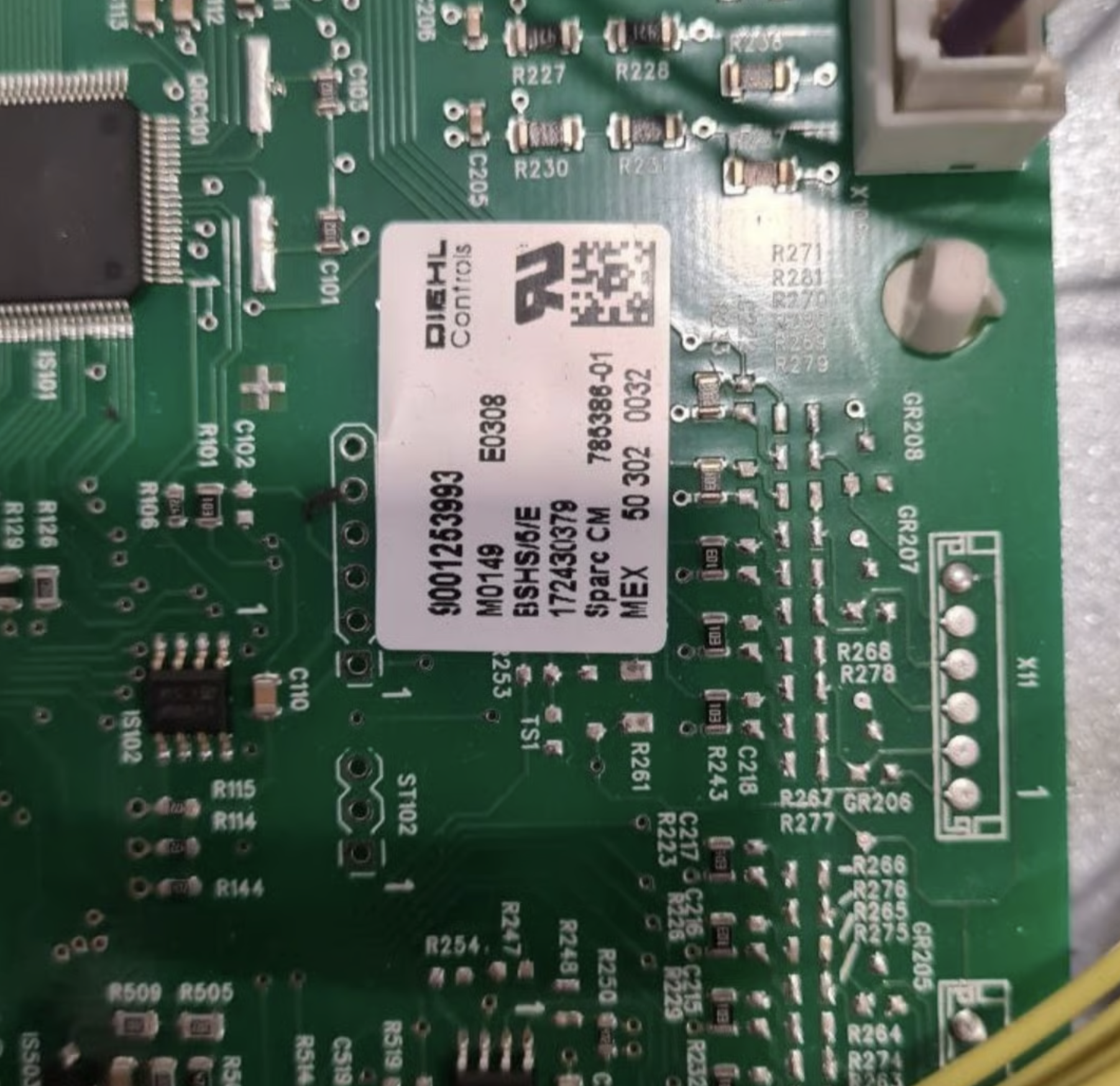
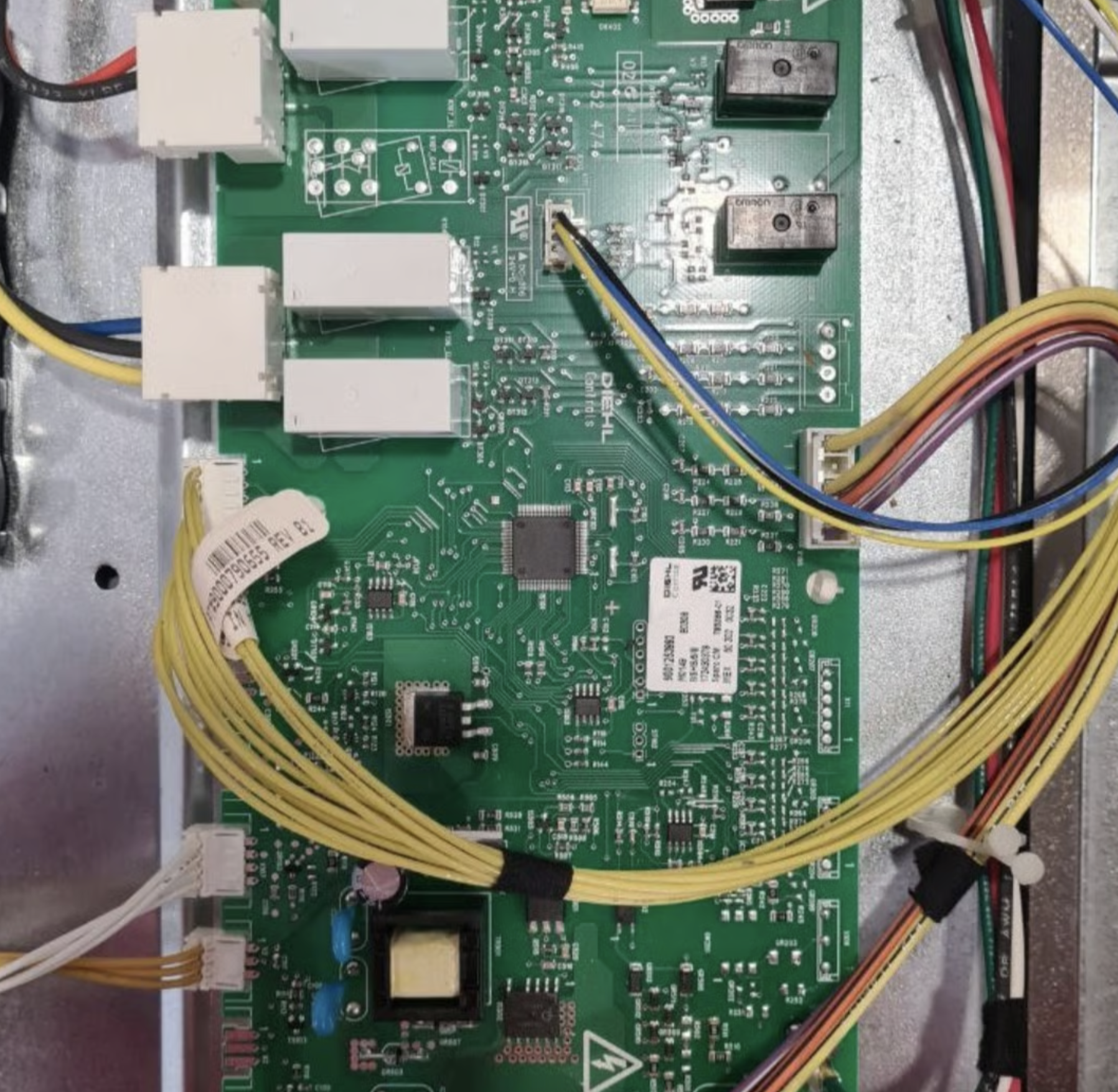
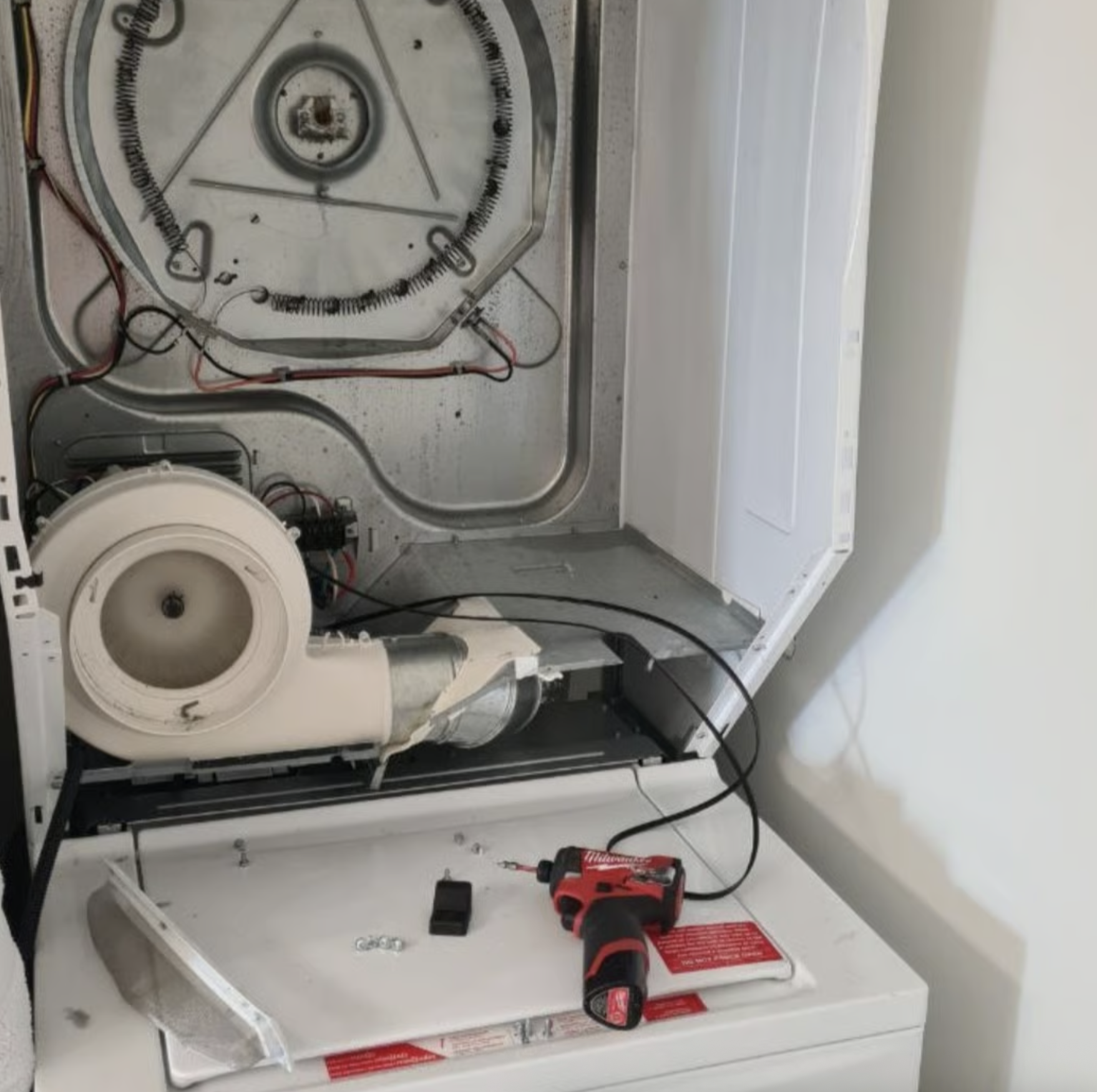
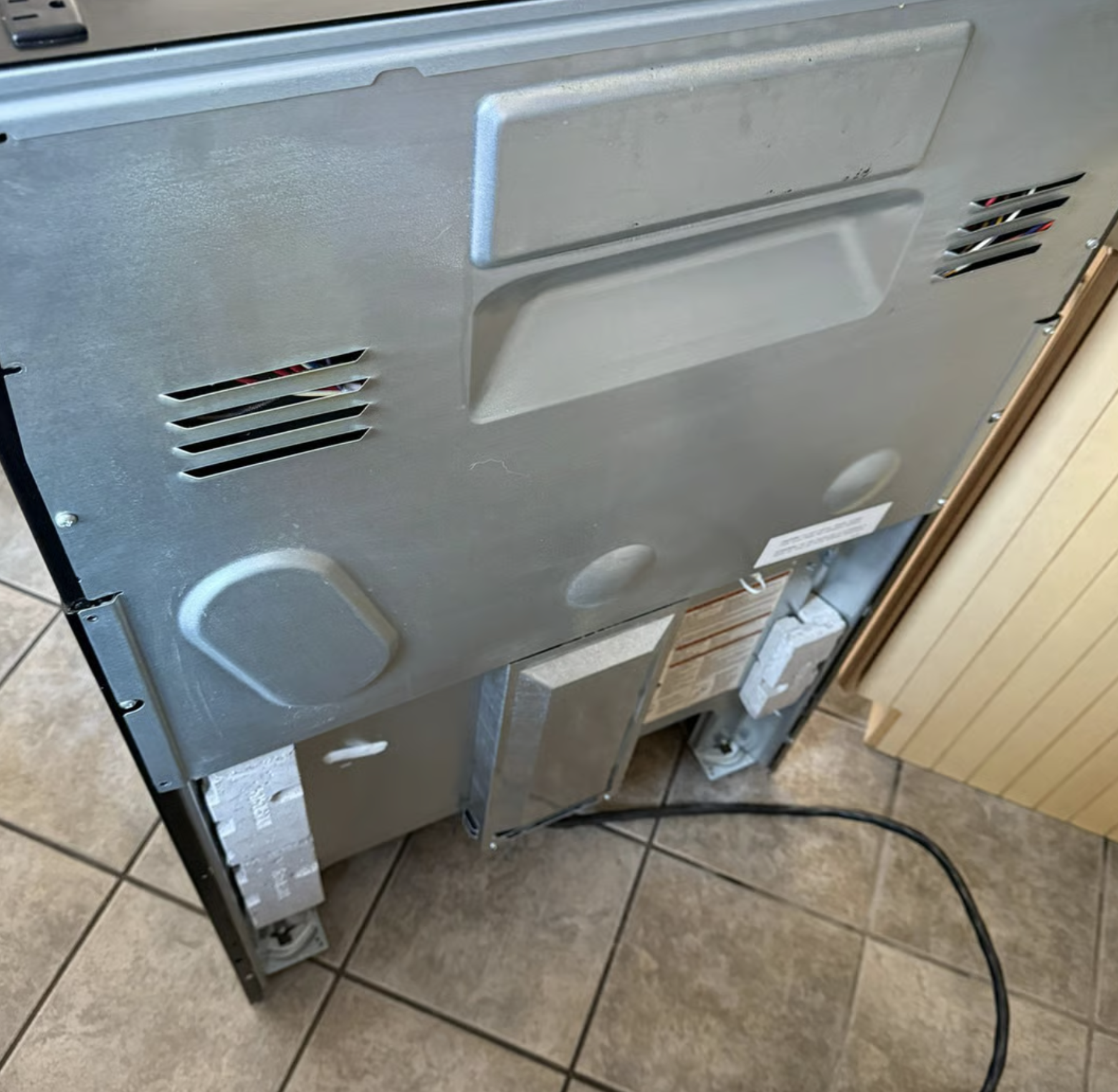
Every refrigerator repair begins with a professional diagnosis and ends with a fully tested appliance. From replacing faulty thermistors and repairing damper systems to correcting airflow problems and diagnosing control board failures, YANFIX helps Ottawa homeowners restore proper refrigerator temperatures and prevent food from freezing unexpectedly.
You’ve Got Questions?
We’ve Got Answers!
Everything you need to know before you book.
Why is my refrigerator freezing food but the freezer seems normal?
This is one of the most common refrigerator temperature problems. The issue is often related to airflow control, dampers, thermistors, sensors, or electronic controls rather than the freezer itself. Excessive cold air may be entering the fresh food compartment and causing food to freeze.
Why are vegetables freezing in my crisper drawers?
Vegetables often freeze when excessive cold air reaches the crisper area. Damper problems, airflow issues, sensor failures, and temperature control faults are among the most common causes of produce freezing inside refrigerator drawers.
Why are drinks turning into slush in my refrigerator?
Beverages require temperatures below normal refrigeration levels before freezing occurs. Slushy drinks usually indicate that the refrigerator compartment is operating colder than intended due to a temperature regulation problem.
Can a faulty temperature sensor cause food to freeze?
Yes. Temperature sensors provide information to the refrigerator’s control system. If a sensor reports incorrect temperatures, the refrigerator may continue cooling longer than necessary and cause food to freeze.
What does a damper do in a refrigerator?
The damper regulates how much cold air moves from the freezer into the refrigerator compartment. If it becomes stuck open, excessive cold air can enter the fresh food section and freeze food.
Why is only one shelf freezing food?
Localized freezing often indicates airflow distribution issues. Food stored near vents, rear walls, or areas receiving excessive cold airflow may freeze while food elsewhere remains properly chilled.
Is it worth repairing a refrigerator that freezes food?
In many cases, yes. Problems involving thermistors, dampers, sensors, airflow systems, evaporator fans, and control boards can often be repaired for significantly less than replacing the refrigerator.
Do you repair all refrigerator brands?
Yes. YANFIX repairs Samsung, LG, Whirlpool, KitchenAid, GE, Frigidaire, Maytag, Electrolux, Bosch, and most other major refrigerator brands commonly found in Ottawa homes.
Need Refrigerator Temperature Control Repair In Ottawa?
If your refrigerator is freezing vegetables, drinks, dairy products, leftovers, or other food items, YANFIX can help.
Our technicians diagnose the source of the problem, explain your repair options, and restore proper temperature regulation throughout the refrigerator compartment.
Book Your Refrigerator Repair Today
Call YANFIX or use the contact form below to schedule service.
Contact Information
- 18 Inwood Drive Kanata, Ontario, K2M 1Z5
- +1613913-30-23
- support@yanfix.com