Refrigerator
Too Cold
in Ottawa?
Food Freezing Inside The Refrigerator? We’ll Find The Cause And Fix It Fast.
A refrigerator should keep food cold without freezing it. If vegetables are turning into ice, drinks are freezing, milk develops ice crystals, or food becomes partially frozen, the appliance may be overcooling. A refrigerator that is too cold can damage food, reduce food quality, and indicate a problem with the temperature control system.
YANFIX provides professional refrigerator repair throughout Ottawa. We diagnose refrigerator overcooling problems, identify the failed component, and restore proper temperature control.
A refrigerator that is too cold may seem like a minor inconvenience, but excessive cooling can ruin food, freeze beverages, damage vegetables, and create unnecessary energy consumption. Many homeowners notice frozen lettuce, ice crystals on dairy products, or drinks that become partially frozen despite normal temperature settings.
Common causes include faulty thermistors, defective temperature sensors, control board failures, stuck dampers, airflow problems, and temperature regulation issues. Because several different components control refrigerator temperatures, professional diagnosis is often required.
YANFIX provides professional refrigerator repair throughout Ottawa. We diagnose overcooling problems, explain repair options clearly, and restore proper food storage temperatures.
COMMON CAUSES OF A REFRIGERATOR THAT IS TOO COLD
| Cause | Typical Symptom | Professional Repair Needed? |
|---|---|---|
| Faulty Thermistor | Food freezing unexpectedly | Yes |
| Temperature Sensor Failure | Overcooling | Yes |
| Control Board Failure | Continuous cooling | Yes |
| Stuck Air Damper | Too much cold air | Yes |
| Incorrect Temperature Settings | Food freezing | Sometimes |
| Airflow Problem | Cold spots inside refrigerator | Sometimes |
| Sensor Calibration Error | Inaccurate temperatures | Yes |
| Multiple Control Failures | Severe overcooling | Yes |
COMPONENTS THAT CAN CAUSE OVERCOOLING
| Component | Applies To | What Fails |
|---|---|---|
| Thermistor | Electronic refrigerators | Incorrect temperature readings |
| Temperature Sensor | Modern refrigerators | False temperature data |
| Control Board | Electronic models | Excessive cooling cycles |
| Air Damper | Many refrigerators | Too much cold air enters |
| Evaporator Fan | Most refrigerators | Uneven cold air distribution |
| Airflow Channels | Most refrigerators | Cold spots develop |
| Temperature Controls | All refrigerators | Improper regulation |
| Cooling System Controls | All refrigerators | Overcooling condition |
WHY YOUR REFRIGERATOR IS TOO COLD
Faulty Thermistor
The thermistor continuously monitors refrigerator temperatures and sends information to the control system. When the thermistor becomes inaccurate, the refrigerator may falsely believe that temperatures are warmer than they actually are. As a result, the cooling system continues operating longer than necessary and temperatures drop below the normal refrigeration range. This often causes vegetables, beverages, dairy products, and leftovers to freeze unexpectedly.
Temperature Sensor Failure
Modern refrigerators depend on temperature sensors to maintain stable cooling conditions. If a sensor sends incorrect information to the control board, the refrigerator may continue cooling even after the target temperature has already been reached. Over time, this can create an overcooling condition where food freezes inside the fresh food compartment despite normal temperature settings and normal freezer operation.
Control Board Malfunction
The control board manages cooling cycles, airflow systems, fan operation, and communication between refrigerator components. When the board begins malfunctioning, it may fail to stop cooling at the correct time. This often results in longer cooling cycles, lower internal temperatures, and food freezing inside the refrigerator compartment. Control board problems can also create inconsistent temperature regulation throughout the appliance.
Stuck Air Damper
Many refrigerators use an air damper to regulate how much cold air moves from the freezer compartment into the refrigerator section. If the damper becomes stuck in the open position, excessive cold air continuously enters the refrigerator. This often creates extremely cold temperatures near air vents and can cause food, drinks, and vegetables to freeze unexpectedly.
Incorrect Temperature Settings
Sometimes the refrigerator itself is functioning correctly, but the temperature settings have been adjusted too low. This can happen after a power outage, accidental button presses, cleaning, or control panel adjustments. When the temperature setting is significantly colder than recommended, food may begin freezing even though no components have actually failed.
Airflow Distribution Problems
Proper airflow helps maintain consistent temperatures throughout the refrigerator compartment. If airflow becomes concentrated in one area, certain shelves may become significantly colder than others. Food located near vents or airflow channels may freeze while products stored elsewhere remain normal. Airflow problems often create isolated freezing zones inside the refrigerator.
Sensor Calibration Problems
Even when a sensor is still functioning, calibration errors can cause inaccurate temperature readings. A sensor that reports temperatures a few degrees warmer than reality may cause the refrigerator to overcool continuously. These small inaccuracies often become noticeable when food repeatedly freezes despite temperature settings appearing correct.
Continuous Cooling Cycles
A refrigerator should alternate between cooling cycles and rest periods. If the cooling system operates for unusually long periods or rarely shuts off, temperatures may gradually drop below the normal refrigeration range. Continuous cooling often indicates a temperature regulation problem that can eventually affect food quality and storage conditions.
Excessive Cold Air Near Refrigerator Vents
Cold air enters the refrigerator compartment through dedicated airflow vents. If too much air is delivered through these vents, food stored nearby may freeze while the rest of the compartment remains normal. This often causes freezing problems that appear limited to specific shelves or storage locations.
Electronic Control System Errors
Modern refrigerators rely on multiple electronic systems working together to regulate temperatures. Communication errors between sensors, thermistors, control boards, and airflow systems can cause the appliance to cool longer than necessary. These faults may create freezing temperatures even though the refrigerator appears to operate normally.
Multiple Temperature Control Components Becoming Inaccurate
As refrigerators age, several temperature regulation components may gradually become less accurate. Slight errors in thermistors, sensors, airflow controls, and electronic systems can combine to create excessive cooling. In these situations, no single component may appear completely failed, but the refrigerator still develops freezing problems.
Developing Cooling System Control Problems
Food freezing inside the refrigerator compartment is often an early warning sign of a larger temperature regulation issue. The appliance may still cool effectively, but control systems are no longer maintaining proper food storage temperatures. Early diagnosis can help prevent additional component failures and more extensive refrigerator repairs later.
SIGNS YOUR REFRIGERATOR IS TOO COLD
Vegetables Freeze Inside The Crisper Drawer
Fresh vegetables stored in crisper drawers should remain cold and crisp, not frozen. If lettuce, cucumbers, peppers, celery, spinach, or other produce regularly develop ice crystals, become unusually hard, or turn soft after thawing, the refrigerator is likely operating below the proper food storage temperature range. This symptom often appears gradually and is one of the most common signs that a refrigerator is overcooling rather than maintaining normal refrigeration temperatures.
Drinks Develop Ice Crystals Or Partially Freeze
Water bottles, juice containers, soft drinks, sports drinks, and other beverages should remain cold but fully liquid inside the refrigerator compartment. If beverages regularly develop ice crystals, become slushy, or partially freeze overnight, the refrigerator may be maintaining temperatures close to or below the freezing point. Many homeowners first notice this symptom before realizing that the appliance is cooling far more aggressively than normal.
Milk Freezes Near The Back Of The Refrigerator
Milk is highly sensitive to temperature changes and often freezes before many other food products. If containers stored near the back wall repeatedly develop ice crystals, frozen sections, or separation after thawing, the refrigerator may be operating below the recommended temperature range. This symptom commonly indicates excessive cooling or poor temperature regulation inside the refrigerator compartment.
Food Near Air Vents Freezes While Other Food Remains Normal
A refrigerator should distribute cold air evenly throughout the compartment. If food placed near air vents repeatedly freezes while products stored elsewhere remain normal, excessive cold air may be entering certain areas of the appliance. Homeowners often notice frozen vegetables, drinks, or leftovers on one shelf while nearby shelves continue operating normally, indicating an overcooling condition.
Leftovers Become Partially Frozen Overnight
Prepared meals, soups, sauces, pasta dishes, and leftovers stored in sealed containers should remain refrigerated but not frozen. If food regularly develops frozen sections overnight, temperatures inside the refrigerator may be dropping below normal levels. This symptom often affects multiple types of food and may become progressively worse as the underlying temperature regulation problem continues to develop.
Fruit Develops Frozen Spots And Loses Its Texturew
Fresh fruit should remain cold and firm inside the refrigerator, but it should never freeze during normal operation. If apples, grapes, berries, oranges, or other fruit regularly develop frozen areas, ice crystals, or become soft and watery after thawing, the refrigerator may be operating below the correct temperature range. Many homeowners first notice this symptom when fruit quality declines rapidly despite being purchased recently and stored properly.
Butter Becomes Extremely Hard And Difficult To Use
Butter stored in a properly functioning refrigerator should remain firm but still usable after sitting at room temperature for a short period. If butter becomes unusually hard, brittle, or difficult to spread, temperatures inside the refrigerator may be lower than normal. Although this symptom may seem minor, it often appears early in the development of an overcooling problem and can help identify temperature regulation issues before more serious food freezing occurs.
Eggs Develop Ice Crystals Or Cracked Shells
Eggs should never freeze inside the refrigerator compartment under normal operating conditions. If ice crystals appear inside the carton, eggs become partially frozen, or shells begin cracking because of expansion during freezing, the refrigerator is almost certainly operating below the proper storage temperature. This symptom indicates that temperatures are reaching levels that can affect food quality and create unnecessary waste.
A Refrigerator Thermometer Regularly Reads Below 0°C (32°F)
A refrigerator thermometer provides one of the clearest ways to identify excessive cooling. If the thermometer repeatedly shows temperatures below 0°C (32°F) inside the fresh food compartment, freezing conditions are present. A properly operating refrigerator should maintain temperatures above freezing while still keeping food safely chilled. Consistently low readings often confirm that a temperature regulation problem exists somewhere within the appliance
Only One Shelf Or Section Consistently Freezes Food
Many overcooling refrigerators do not freeze food everywhere at first. Instead, one shelf, drawer, or section may consistently become much colder than the rest of the appliance. Homeowners often notice that vegetables freeze in one location while identical products stored elsewhere remain normal. This uneven cooling pattern is a strong sign that cold air distribution is no longer being controlled properly.
Food Quality Drops Even Though The Refrigerator Appears To Be Working
A refrigerator that is too cold often appears to be operating normally because food remains cold and the appliance continues running. However, vegetables may become watery, fruit may lose texture, dairy products may separate, and beverages may partially freeze. When food quality repeatedly declines despite proper storage practices, excessive cooling may be the underlying cause rather than food freshness issues.
Multiple Types Of Food Begin Freezing At The Same Time
When vegetables, fruit, drinks, dairy products, leftovers, eggs, and other refrigerated items all begin showing signs of freezing, the refrigerator is almost certainly operating below the proper temperature range. Multiple freezing-related symptoms occurring simultaneously usually indicate a significant temperature regulation problem. In these situations, professional diagnosis is often needed to identify the failed component and restore proper cooling performance.
Why Choose Yanfix
We make appliance repair easy, fast, and reliable
Forget long waits, hidden fees, and sloppy work. At Yanfix, we treat your time and home with respect — delivering expert service you can count on.
Accurate Refrigerator Overcooling Diagnostics
A refrigerator that is too cold can be caused by faulty thermistors, temperature sensors, control board failures, stuck dampers, airflow problems, and cooling regulation issues. Because several different systems control refrigerator temperatures, accurate testing is essential before replacing parts. YANFIX performs complete diagnostics to identify the actual source of the problem rather than replacing parts based on guesswork.
Specialists In Food Freezing Problems
Food freezing inside the refrigerator compartment is one of the most common temperature regulation complaints. We diagnose why vegetables, drinks, dairy products, fruit, eggs, and leftovers are freezing unexpectedly and restore proper refrigerator temperatures that preserve food quality without causing damage. Our goal is to eliminate the cause of the problem rather than simply adjusting settings temporarily.
Experience With All Major Refrigerator Brands
We repair Samsung, LG, Whirlpool, KitchenAid, GE, Frigidaire, Maytag, Electrolux, Bosch, and many other refrigerator brands commonly found in Ottawa homes. Different manufacturers use different temperature control systems, sensors, dampers, and electronic controls. Our experience with multiple cooling platforms helps us diagnose refrigerator overcooling problems quickly and accurately.
Long-Term Solutions Instead Of Temporary Adjustments
Many homeowners repeatedly change temperature settings hoping to stop food from freezing, but the problem often returns because an underlying component has failed. Our technicians identify the actual cause of the overcooling condition and perform the necessary repair to restore reliable long-term temperature control and proper food storage conditions.
WHAT YOU CAN CHECK BEFORE CALLING A TECHNICIAN
Verify The Refrigerator Temperature Setting
Before assuming that a refrigerator component has failed, verify that the refrigerator temperature setting has not been accidentally changed. Power outages, cleaning, software resets, control panel adjustments, and accidental button presses can sometimes lower the temperature setting without being noticed. Most refrigerators are designed to maintain a food storage temperature between 1°C and 4°C (34°F–40°F) inside the fresh food compartment. If the refrigerator is set colder than recommended, food freezing, overcooling, and temperature regulation complaints may occur even when the cooling system itself is operating normally.
Measure The Actual Refrigerator Temperature
Do not rely solely on how cold food feels. Place a refrigerator thermometer in the fresh food compartment and monitor the refrigerator temperature for at least 24 hours. A properly functioning refrigerator should maintain a stable food storage temperature without dropping below freezing. If the thermometer repeatedly shows temperatures near 0°C (32°F) or lower, the appliance may be experiencing an overcooling problem. Accurate temperature measurements provide valuable information during refrigerator diagnosis and help determine whether professional refrigerator repair is necessary.
Check Food Placement Near Air Vents
Cold air enters the refrigerator compartment through dedicated airflow vents. Food stored directly in front of these vents may be exposed to concentrated streams of cold air and can sometimes freeze even when the overall refrigerator temperature is normal. Inspect the fresh food compartment and make sure vegetables, beverages, dairy products, and leftovers are not blocking airflow or sitting directly in front of cold air outlets. Proper airflow distribution is essential for consistent cooling performance and temperature regulation.
Inspect The Door Gasket For Air Leaks
A damaged refrigerator door gasket can affect temperature control and cooling performance throughout the appliance. Inspect the gasket for cracks, tears, hardened sections, gaps, or areas that no longer seal properly against the refrigerator compartment. Air leaks can cause the cooling system to operate longer than necessary and may contribute to temperature regulation problems. A simple visual inspection can often reveal issues that affect refrigerator operation and food storage temperature consistency.
Check Whether Only One Shelf Freezes Food
Pay attention to where food freezing occurs inside the refrigerator compartment. If vegetables, beverages, dairy products, or leftovers freeze only on a specific shelf, the problem may be related to airflow distribution rather than overall refrigerator temperature. Identifying whether overcooling affects the entire fresh food compartment or only one section can provide useful information during refrigerator diagnosis and help narrow down possible temperature control issues.
Move A Refrigerator Thermometer To Different Shelves
Temperature variations between shelves can reveal important information about refrigerator operation. Place a refrigerator thermometer on the top shelf, middle shelf, and lower shelf over several hours and compare the readings. A properly functioning refrigerator should maintain relatively consistent food storage temperatures throughout the fresh food compartment. Significant differences between shelves may indicate airflow problems, cold air distribution issues, or developing temperature regulation faults that affect cooling performance.
Check For Frozen Food Near The Back Wall
The rear section of the refrigerator compartment is often one of the coldest areas inside the appliance. Inspect milk containers, beverages, vegetables, fruit, and leftovers stored near the back wall. If these products repeatedly develop ice crystals or freeze while food elsewhere remains normal, excessive cold air or temperature control problems may be affecting refrigerator performance. This observation can provide useful clues during refrigerator diagnosis.
Verify That Air Vents Are Not Blocked
Cold air must move freely throughout the refrigerator compartment to maintain proper food storage temperatures. Large containers, grocery bags, food packages, and overcrowded shelves can sometimes block airflow and create cold spots inside the appliance. Inspect all visible air vents and airflow channels to ensure cold air can circulate properly. Restricted airflow may contribute to uneven cooling performance and localized food freezing problems.
Monitor How Long The Refrigerator Runs
Pay attention to how frequently the refrigerator cooling system operates throughout the day. A refrigerator that is running almost continuously may be experiencing a temperature regulation problem that causes excessive cooling. Long cooling cycles can lower refrigerator temperatures beyond the recommended range and contribute to food freezing inside the fresh food compartment. Observing cooling patterns can provide valuable information before scheduling refrigerator repair.
Compare Food Conditions Across Multiple Days
Some refrigerator temperature control problems develop gradually rather than appearing all at once. Monitor vegetables, dairy products, beverages, leftovers, and fruit over several days to determine whether food freezing is becoming more common. A gradual increase in food freezing incidents often indicates a developing refrigerator temperature regulation problem rather than a temporary change in operating conditions.
Confirm Recent Temperature Setting Changes Were Not Made
Many homeowners forget that refrigerator settings were adjusted recently during cleaning, maintenance, power outages, or seasonal changes. Before assuming a component has failed, verify that no one has changed the refrigerator temperature controls during the past several days or weeks. Even small adjustments can affect food storage temperature and create overcooling conditions that resemble more serious refrigerator repair issues.
Schedule Professional Diagnosis If Food Continues Freezing
If vegetables, beverages, dairy products, fruit, leftovers, and other refrigerated items continue freezing after completing these checks, professional diagnosis is usually required. Problems involving thermistors, temperature sensors, control boards, dampers, airflow systems, and cooling controls often require specialized testing. Professional refrigerator diagnosis helps identify the failed component and restore proper food storage temperature without unnecessary parts replacement.
HOW YANFIX FIXES A REFRIGERATOR THAT IS TOO COLD
Step 1 — Confirm The Overcooling Complaint
We begin by identifying exactly how the refrigerator is behaving. Some units freeze vegetables, others freeze beverages, dairy products, leftovers, or fruit. Understanding which foods are affected and where freezing occurs inside the refrigerator compartment helps narrow down possible temperature control, airflow, and cooling system issues before testing begins.
Step 2 — Measure Actual Refrigerator Temperatures
Accurate temperature measurements are taken throughout the refrigerator compartment and freezer compartment. This allows us to determine whether the appliance is consistently overcooling or if specific areas are becoming colder than others. Measuring actual food storage temperatures provides a reliable starting point for refrigerator diagnosis.
Step 3 — Inspect Airflow Distribution
Cold air must be distributed evenly throughout the fresh food compartment. We inspect air vents, airflow channels, dampers, shelves, and circulation pathways to identify conditions that may be causing cold spots or uneven cooling performance. Airflow problems frequently contribute to food freezing complaints.
Step 4 — Test The Temperature Sensor
Temperature sensors provide critical information used by the refrigerator control system. We test sensor accuracy and verify that the refrigerator is receiving correct temperature readings. An inaccurate sensor may cause the appliance to continue cooling after the target food storage temperature has already been reached.
Step 5 — Test The Thermistor
The thermistor continuously monitors refrigerator temperature and helps regulate cooling cycles. We test the thermistor for proper resistance values and temperature response. Faulty thermistors are among the most common causes of refrigerator overcooling and unstable temperature regulation.
Step 6 — Inspect The Air Damper System
Many refrigerators use an air damper to control how much cold air enters the fresh food compartment from the freezer. We inspect the damper for sticking, mechanical failure, and improper operation. A damper that remains open too long can create excessive cooling and food freezing conditions.
Step 7 — Evaluate The Control Board
The refrigerator control board manages temperature regulation, cooling cycles, airflow systems, and communication between components. We inspect the control system and verify that cooling commands are operating correctly. Control board faults can sometimes cause continuous cooling and excessive refrigerator temperatures.
Step 8 — Inspect Door Seals And Air Leaks
A damaged refrigerator door gasket can affect cooling performance and force the appliance to operate longer than necessary. We inspect door seals, cabinet contact points, and gasket condition to identify air leaks that may be contributing to temperature regulation problems.
Step 9 — Repair Or Replace The Failed Component
Once the source of the overcooling condition has been identified, the defective component is repaired or replaced. Depending on the diagnosis, this may involve a thermistor, temperature sensor, control board, air damper, airflow component, or another part affecting refrigerator temperature control.
Step 10 — Verify Proper Food Storage Temperatures
After repairs are completed, the refrigerator is tested through multiple cooling cycles. We verify stable refrigerator temperature, proper airflow, accurate temperature regulation, and normal cooling performance throughout the fresh food compartment before completing the repair.
REFRIGERATOR BRANDS WE SERVICE IN OTTAWA
Samsung Refrigerator Too Cold Repair
Samsung refrigerators may become too cold because of faulty thermistors, temperature sensor failures, stuck dampers, control board problems, and airflow regulation issues. These failures often cause vegetables, beverages, dairy products, and leftovers to freeze inside the fresh food compartment. We diagnose Samsung refrigerator temperature control problems and restore proper food storage temperatures.
LG Refrigerator Too Cold Repair
LG refrigerators rely on accurate temperature sensors, airflow controls, thermistors, and electronic control systems to maintain proper cooling performance. When one of these components fails, the refrigerator compartment may become excessively cold and begin freezing food. We diagnose and repair LG refrigerator overcooling problems throughout Ottawa.
Whirlpool Refrigerator Too Cold Repair
Whirlpool refrigerators may develop overcooling conditions because of faulty temperature controls, airflow issues, thermistor failures, and damper malfunctions. These problems often create frozen food, cold spots, and unstable refrigerator temperatures. We identify the source of the problem and restore normal refrigerator operation.
KitchenAid Refrigerator Too Cold Repair
KitchenAid refrigerators use multiple temperature regulation systems working together to maintain safe food storage temperatures. When a sensor, damper, thermistor, or control board becomes inaccurate, excessive cooling can occur. We diagnose KitchenAid refrigerator temperature problems and restore consistent cooling performance.
GE Refrigerator Too Cold Repair
GE refrigerators can become too cold because of sensor failures, stuck dampers, airflow problems, control board faults, and temperature regulation issues. These conditions often cause food freezing inside the refrigerator compartment. We diagnose GE refrigerator overcooling problems and restore proper operation.
Frigidaire Refrigerator Too Cold Repair
Frigidaire refrigerators may freeze food because of airflow distribution issues, thermistor failures, temperature sensor problems, and control system faults. We diagnose the cause of excessive cooling and restore proper refrigerator temperatures throughout the appliance.
Maytag Refrigerator Too Cold Repair
Maytag refrigerators may experience food freezing problems due to faulty temperature regulation components, cooling control issues, and airflow problems. Our technicians identify the failed component and restore proper food storage temperatures throughout the refrigerator compartment.
Electrolux Refrigerator Too Cold Repair
Electrolux refrigerators use advanced temperature management systems that rely on accurate communication between sensors, dampers, thermistors, and control boards. We diagnose excessive cooling conditions and restore reliable refrigerator temperature control.
Bosch Refrigerator Too Cold Repair
Bosch refrigerators may become too cold because of faulty thermistors, temperature sensors, airflow control problems, damper failures, and electronic control issues. We diagnose and repair Bosch refrigerator overcooling conditions to restore proper food storage performance.
REFRIGERATOR TOO COLD REPAIR COST IN OTTAWA
| Repair Type | Typical Problem | Estimated Cost |
|---|---|---|
| Refrigerator Diagnosis | Food freezing inside refrigerator | $80 |
| Thermistor Replacement | Incorrect temperature readings | $80–$250 |
| Temperature Sensor Replacement | Overcooling condition | $80–$250 |
| Air Damper Repair | Too much cold air entering compartment | $80–$300 |
| Air Damper Replacement | Damper stuck open | $120–$350 |
| Control Board Repair | Continuous cooling cycles | $150–$600 |
| Door Gasket Replacement | Air leak affecting temperature control | $100–$350 |
| Airflow System Repair | Uneven cooling and cold spots | $80–$300 |
Repair costs vary depending on the refrigerator brand, failed component, labour requirements, and replacement part availability. A professional refrigerator diagnosis is required before an accurate repair estimate can be provided.
CUSTOMER REVIEWS
Food Stopped Freezing After The Repair
“Our refrigerator kept freezing vegetables, fruit, and drinks even on normal settings. YANFIX diagnosed a faulty thermistor and fixed the problem quickly. Everything now stays cold without freezing.”
— Mark D., Barrhaven
★★★★★
Excellent Diagnosis
“We thought our refrigerator was working perfectly until food started freezing. Yan found a damper problem that was sending too much cold air into the refrigerator compartment. Great service.”
— Sarah M., Kanata
★★★★★
Professional And Honest Repair
“Our LG refrigerator kept freezing milk and vegetables. YANFIX identified a temperature sensor problem and explained everything clearly before completing the repair.”
— Jason T., Nepean
★★★★★
Refrigerator Repair Service Areas
We provide Refrigerator repair throughout Ottawa and nearby communities. Our technicians travel across the city every day, offering same-day Refrigerator repair for all major brands and models. Select your area below to learn more about Refrigerator repair services available in your neighbourhood.






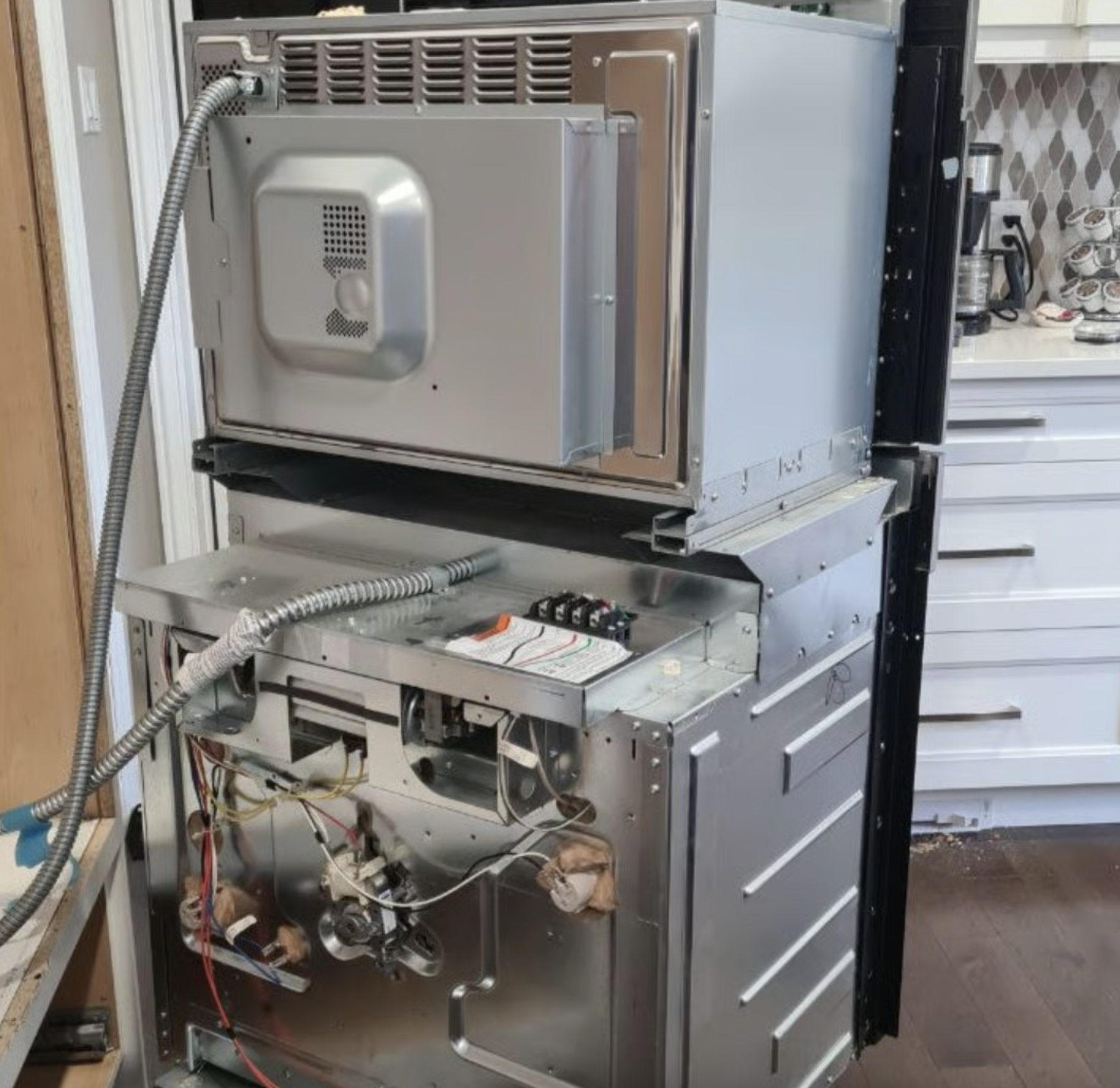
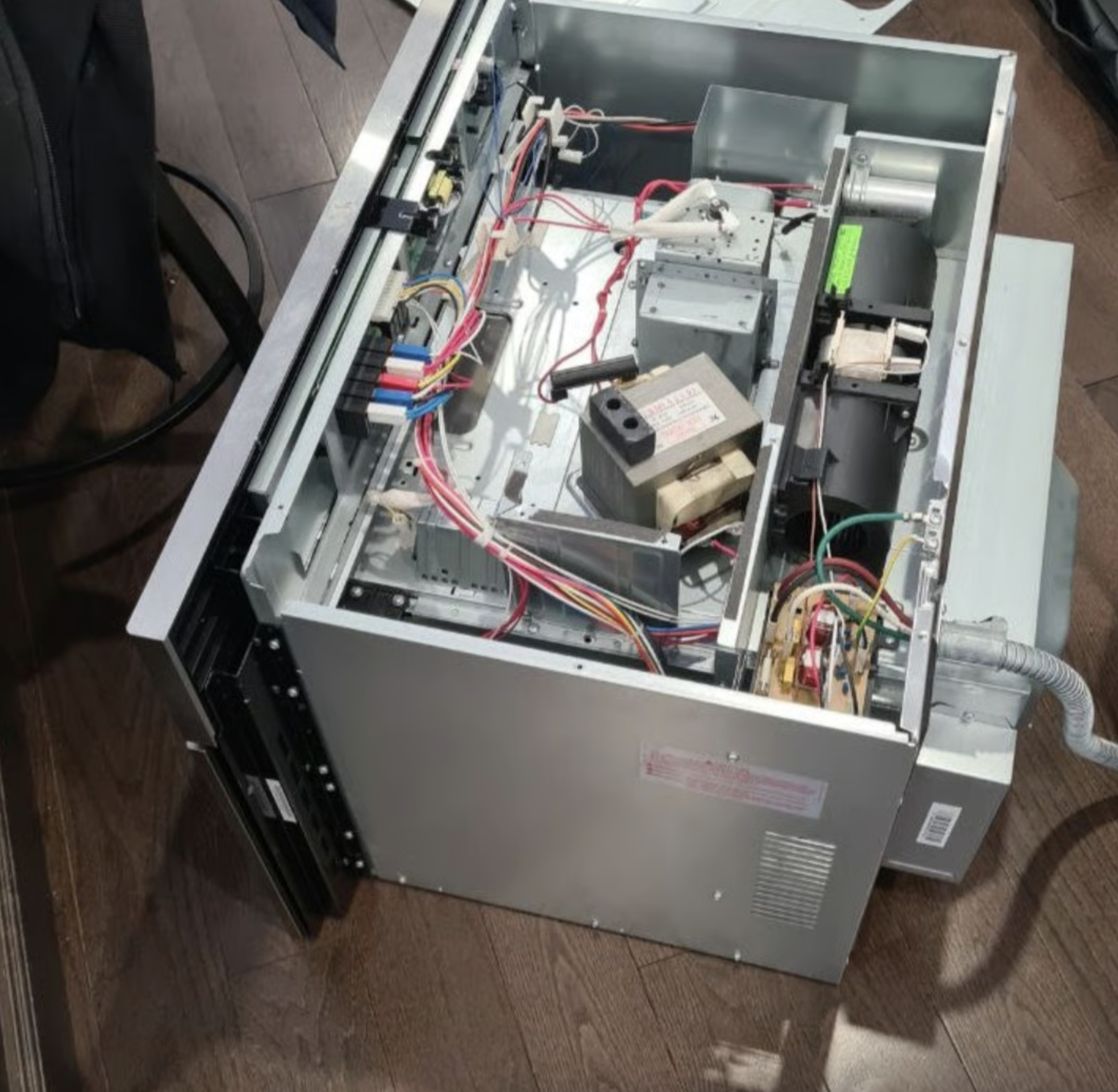
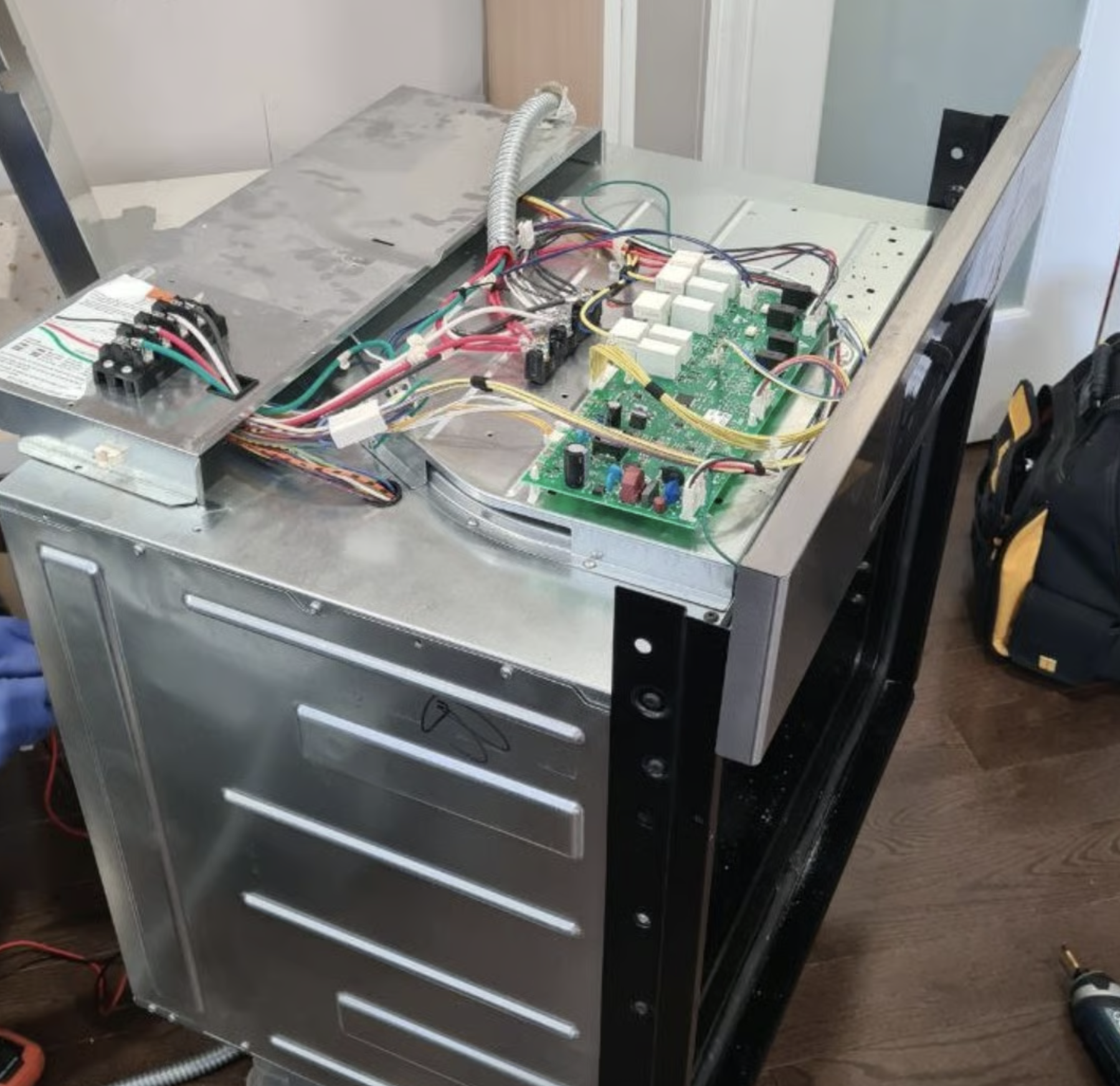
Our Work Speaks for Itself
Real Repairs. Real Results.
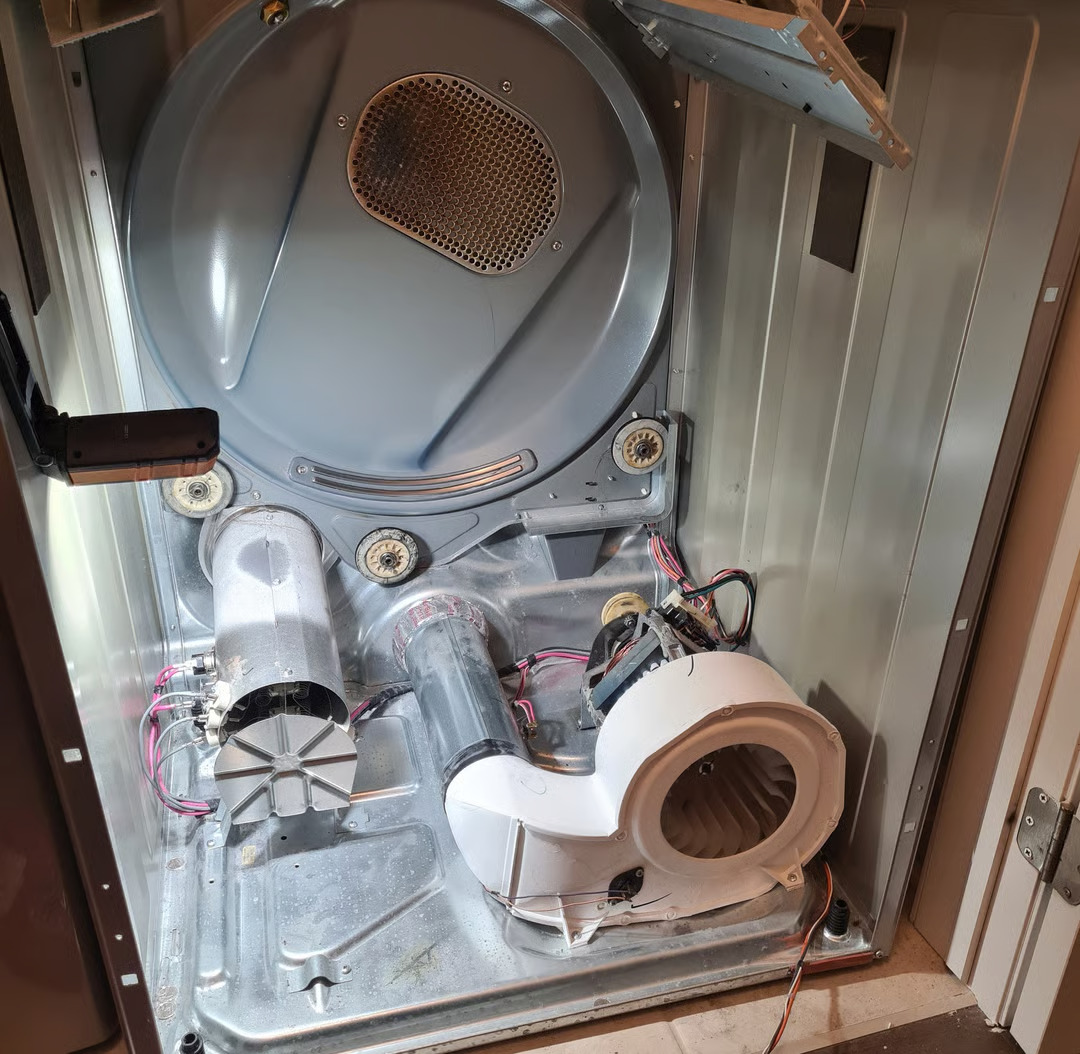
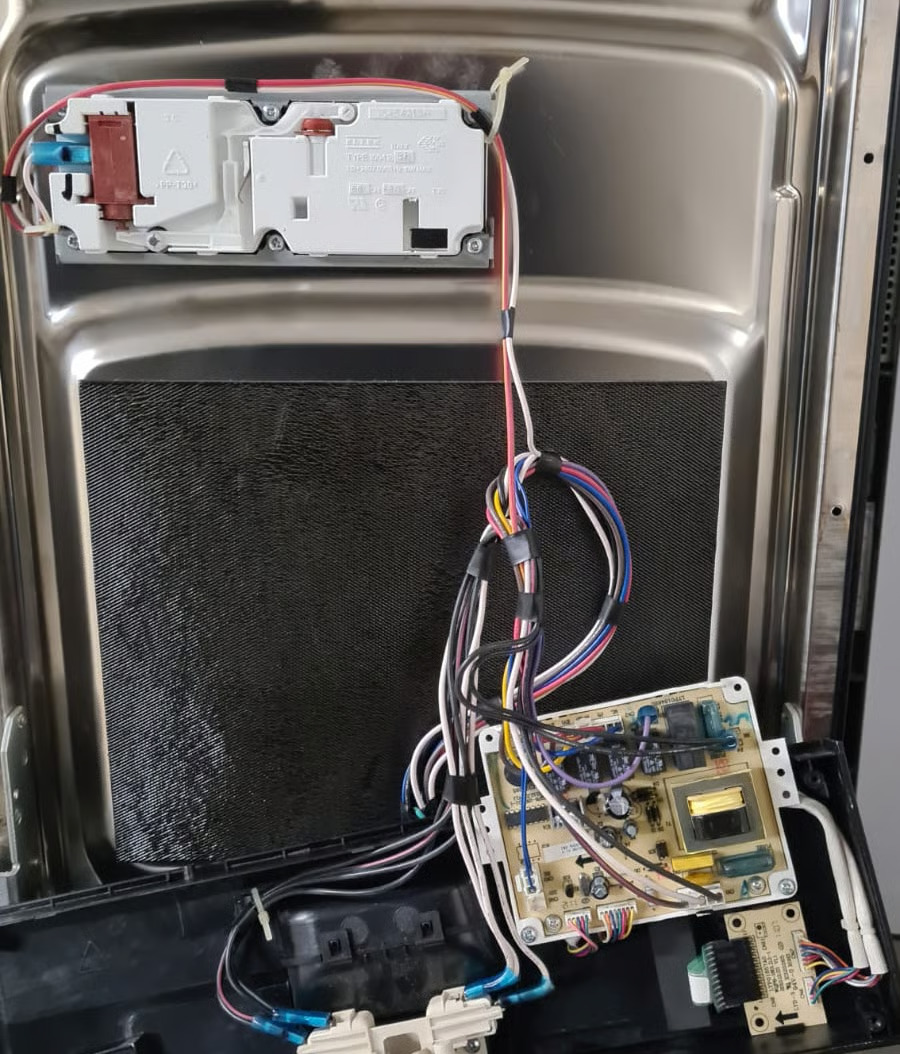
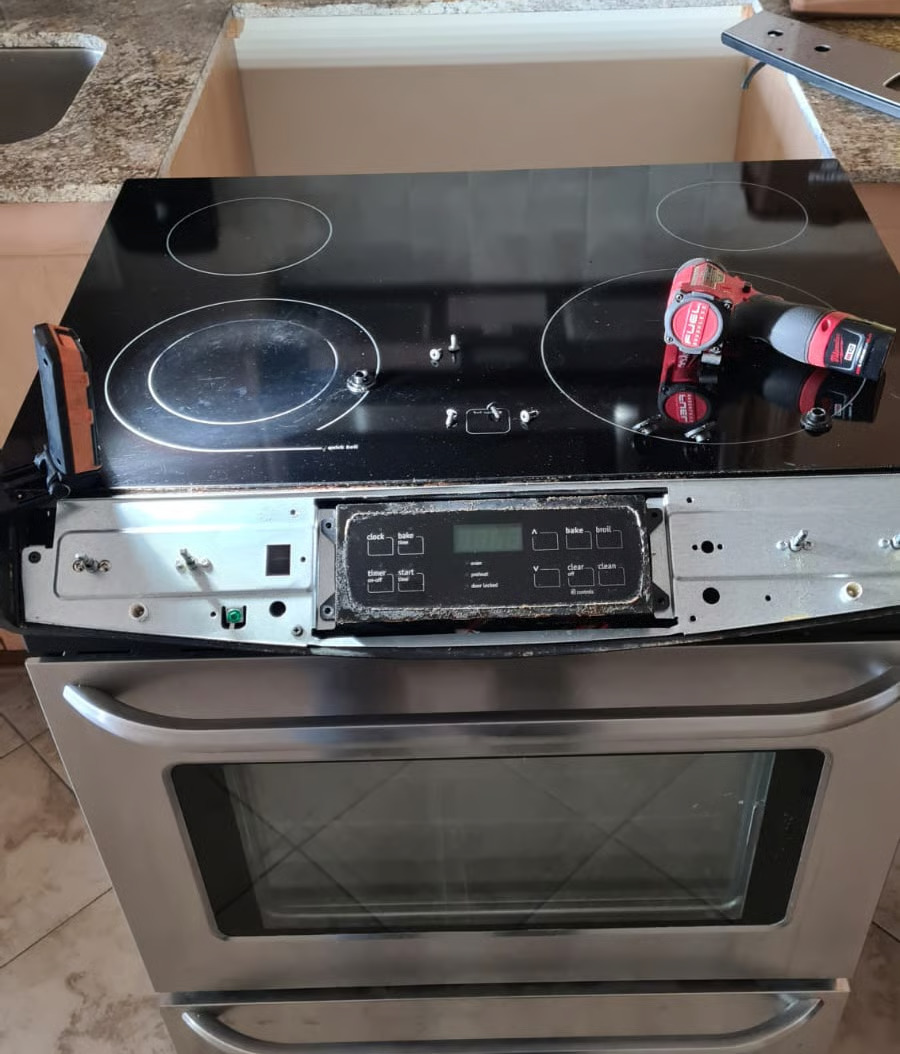
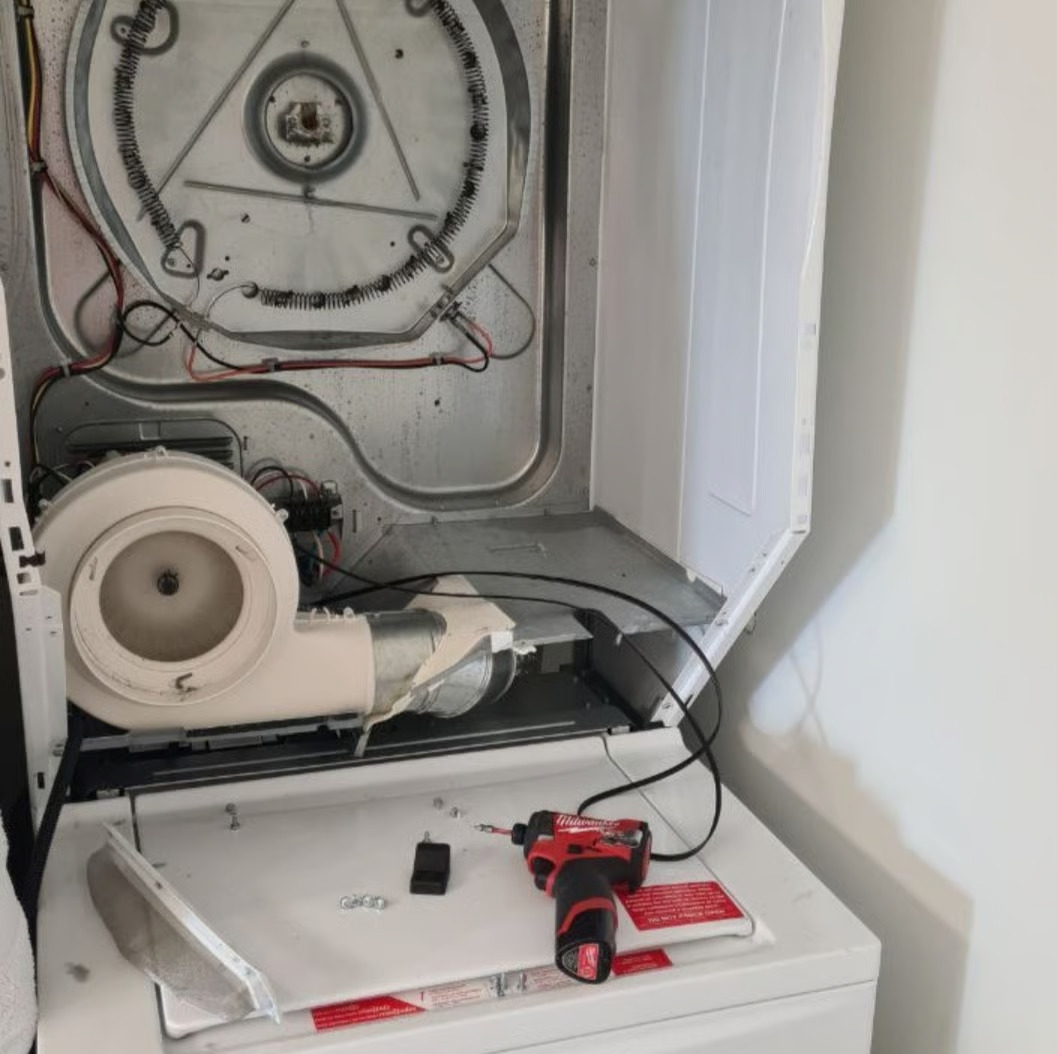
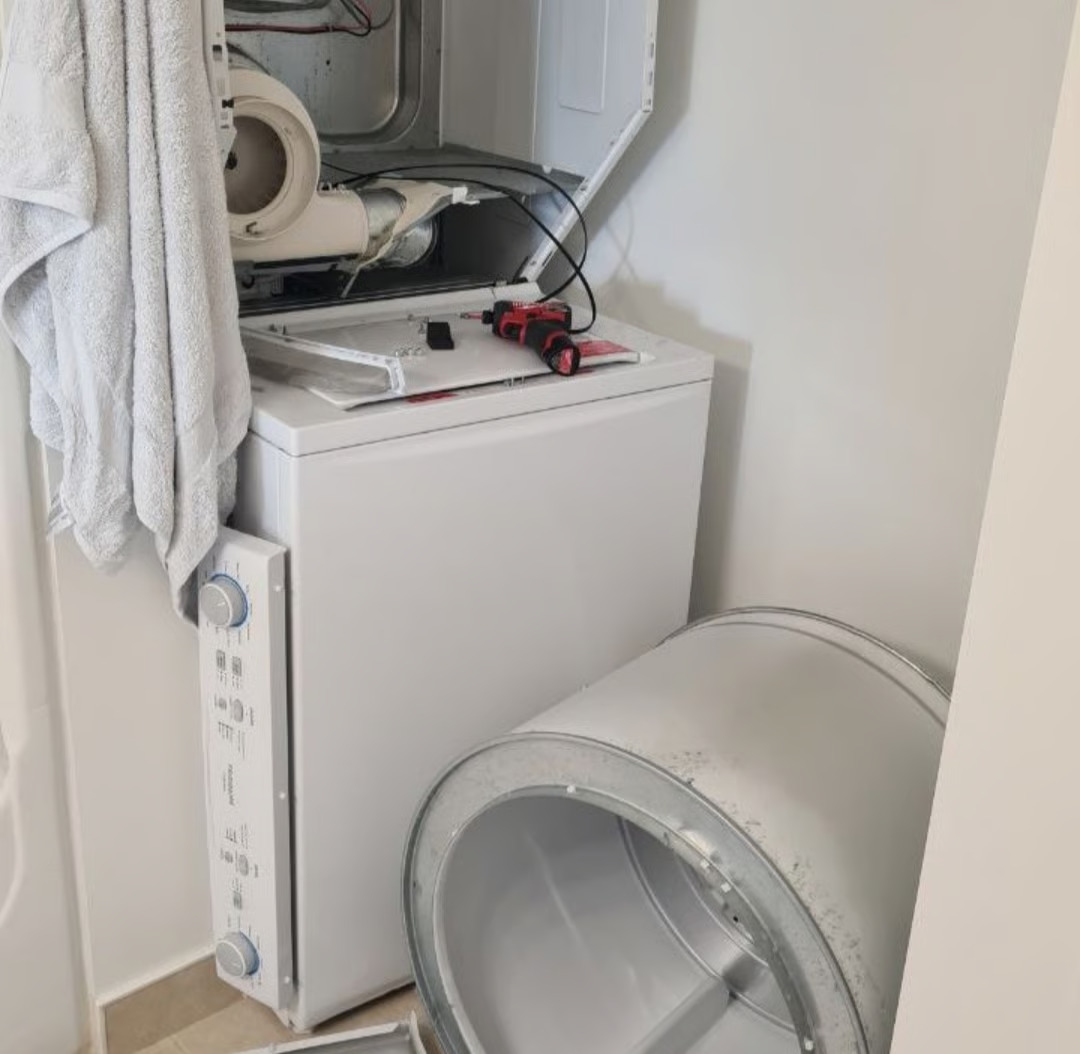
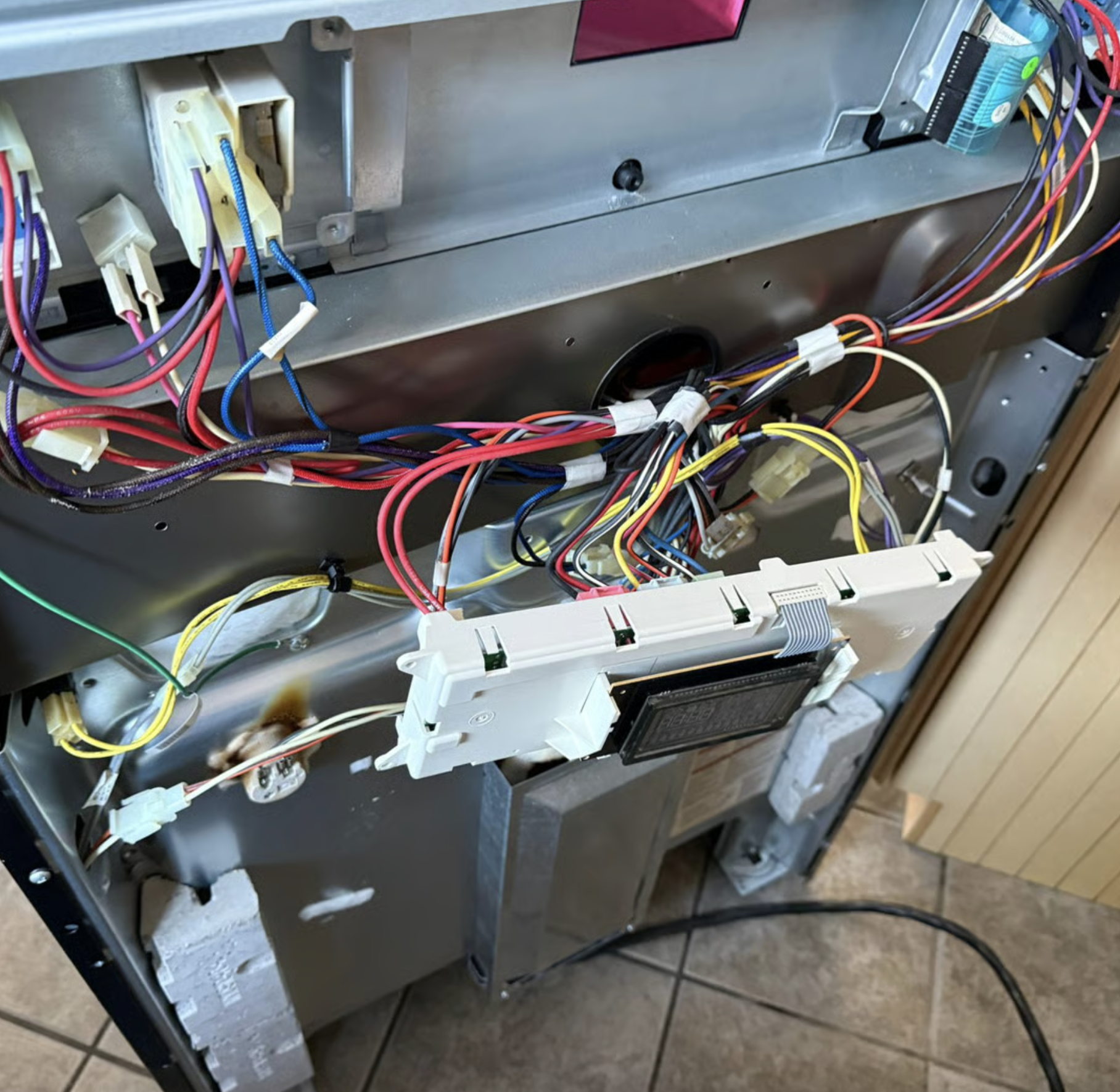
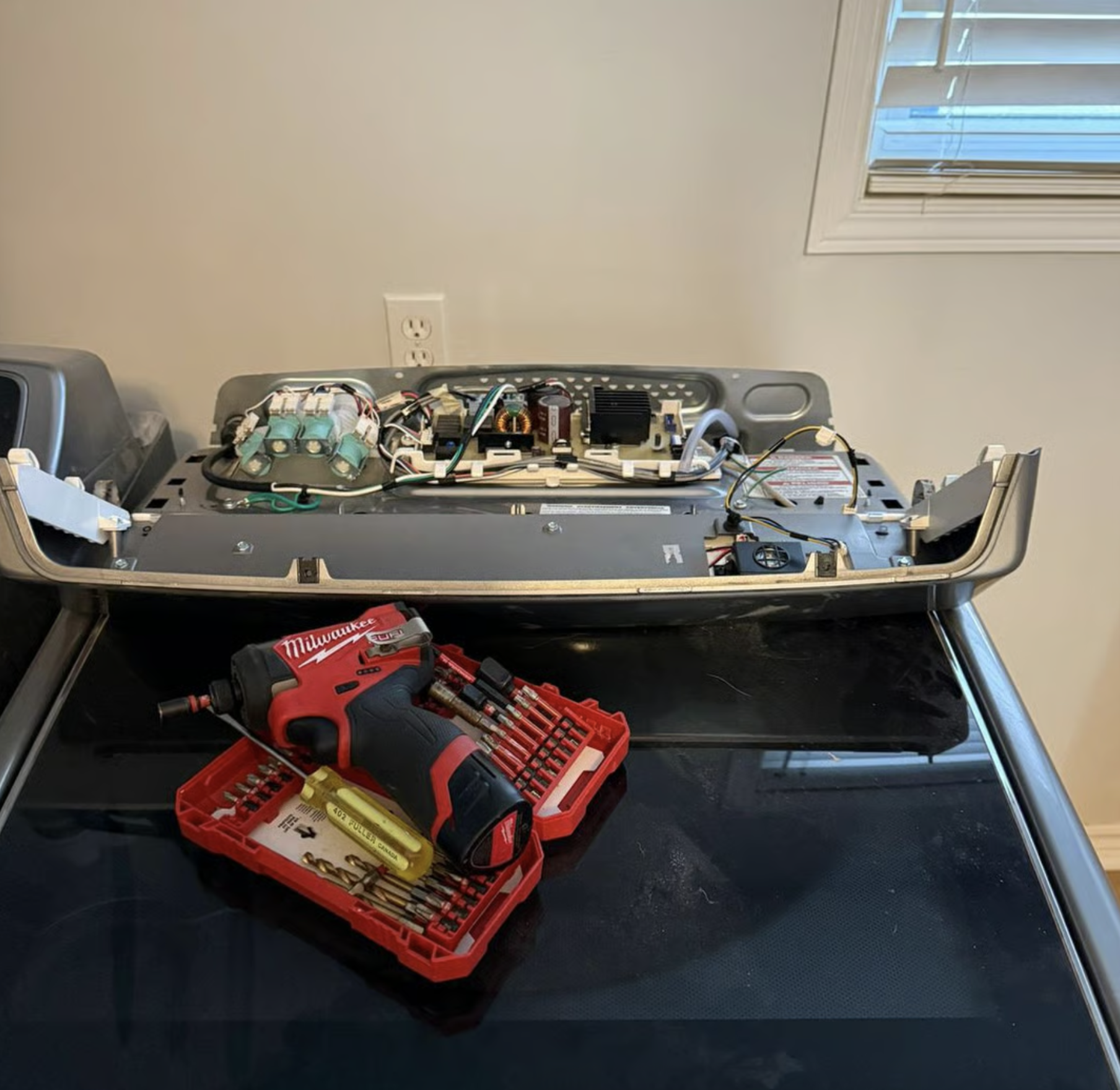
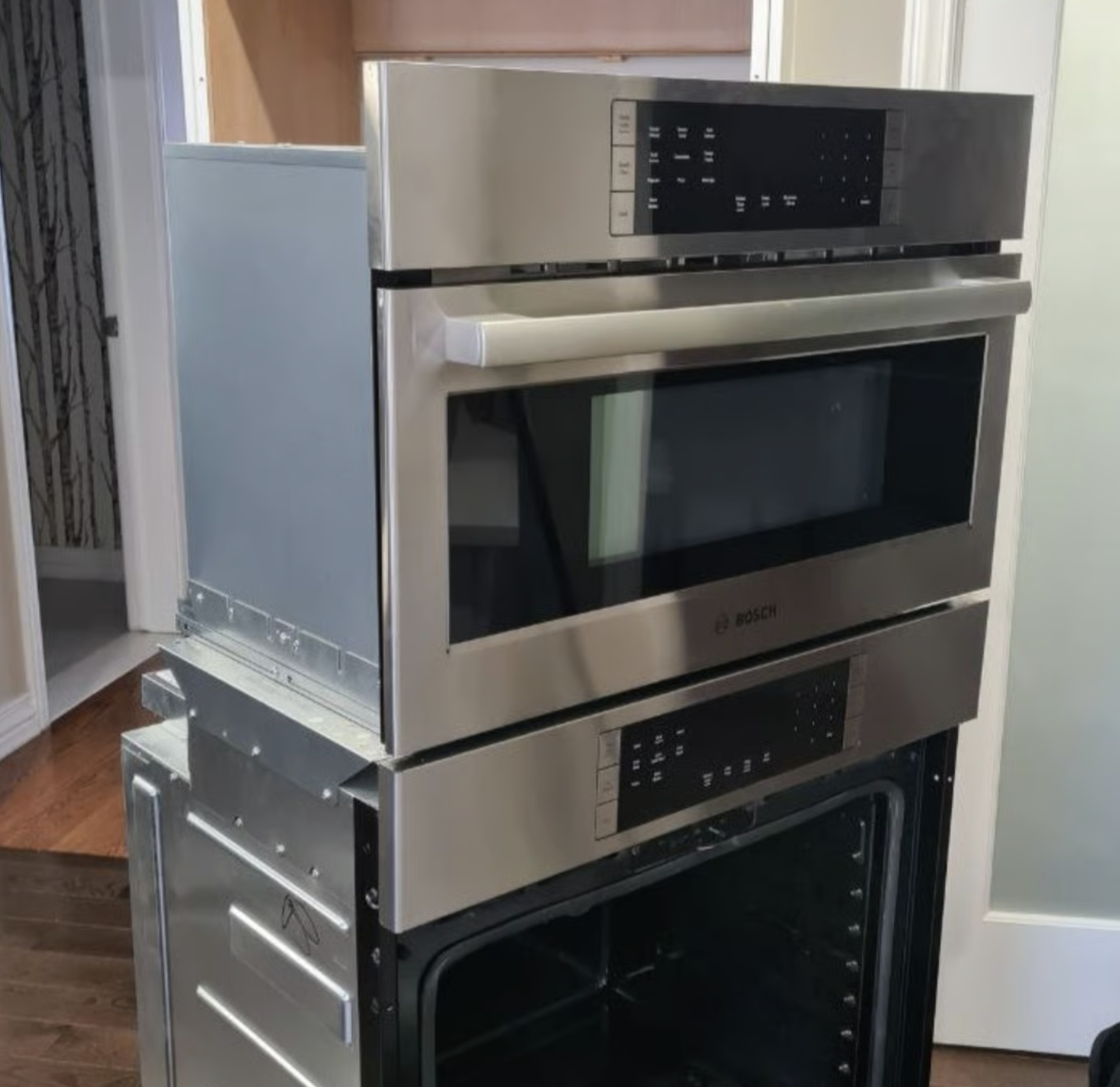
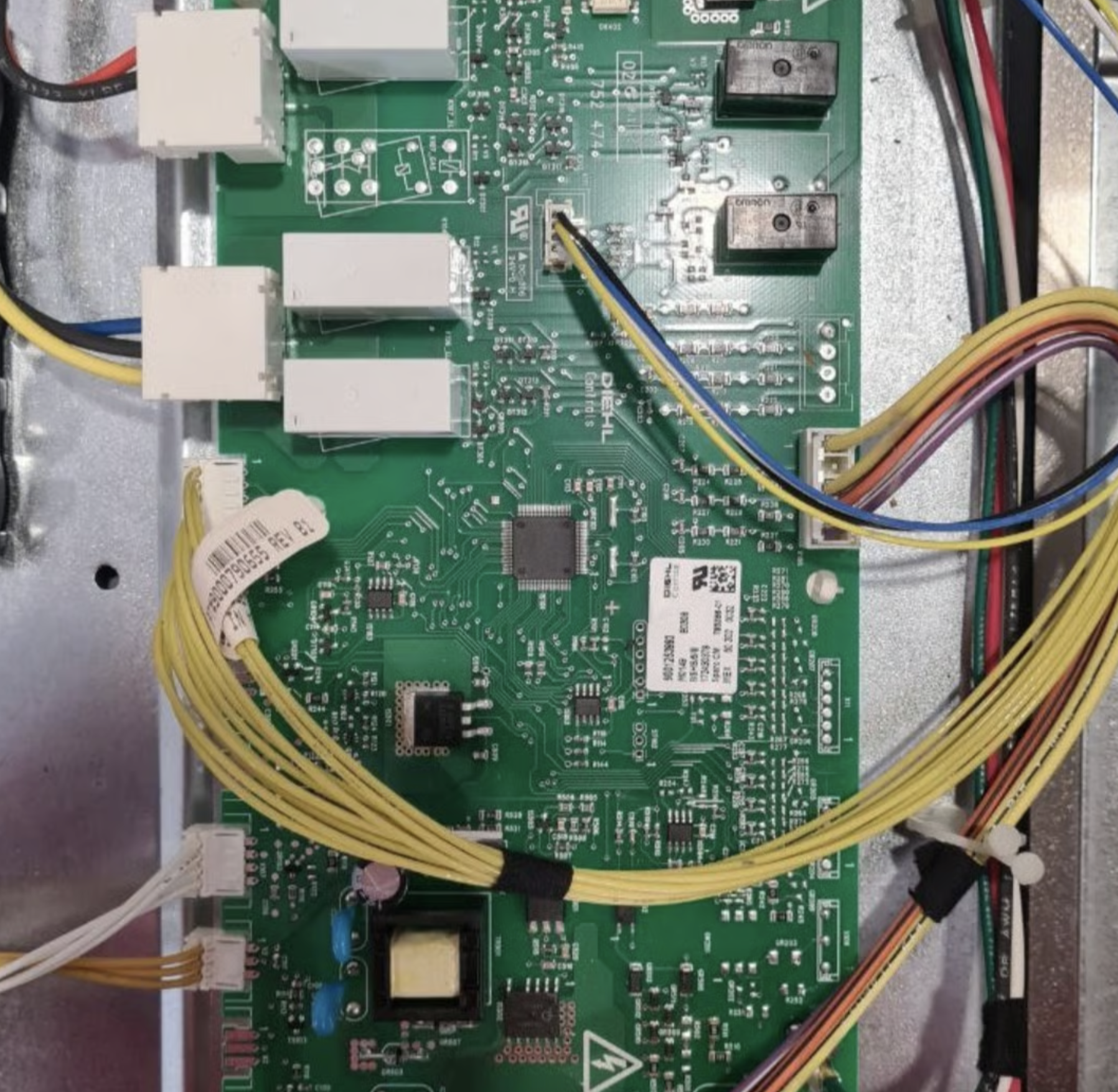
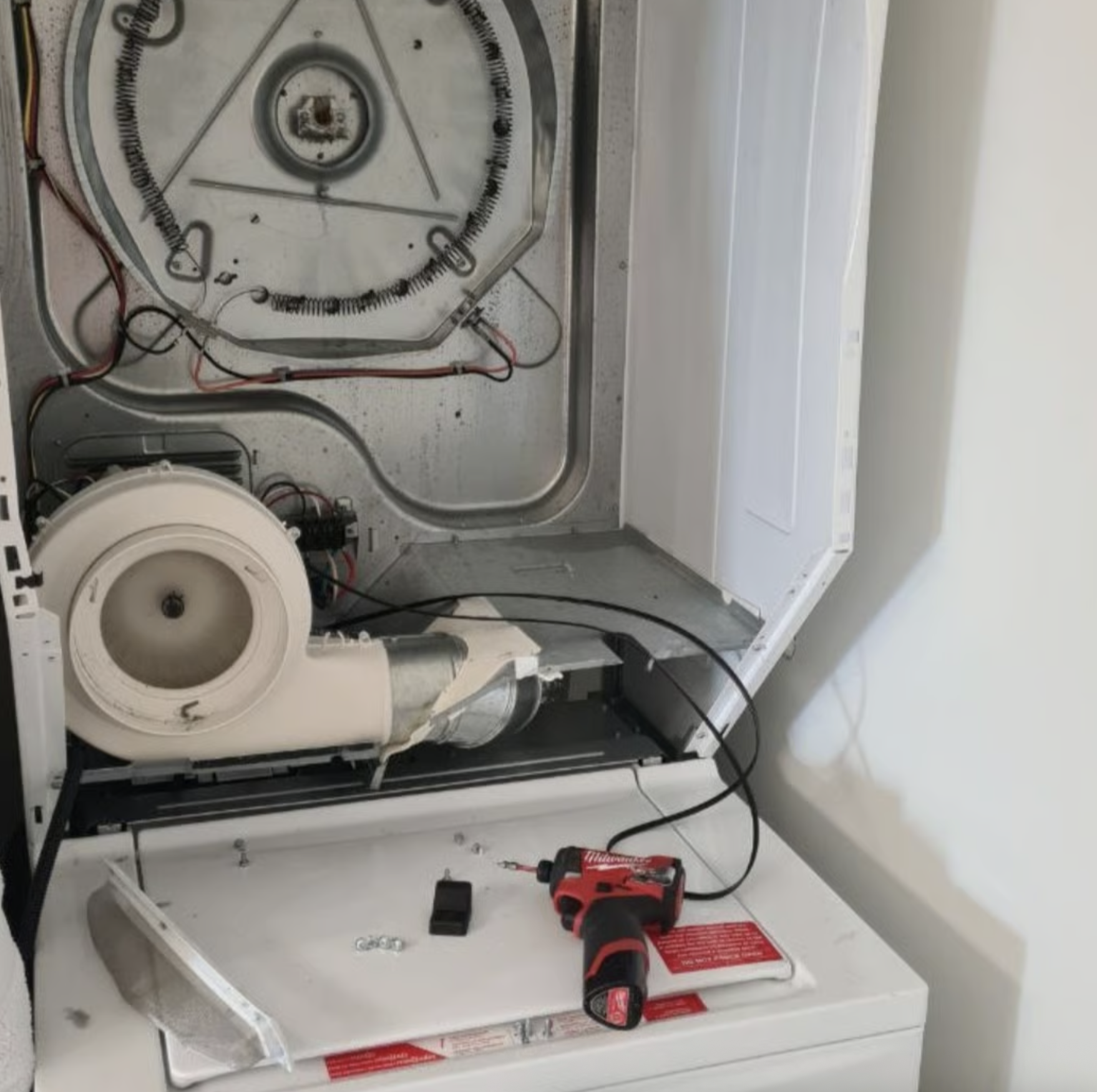
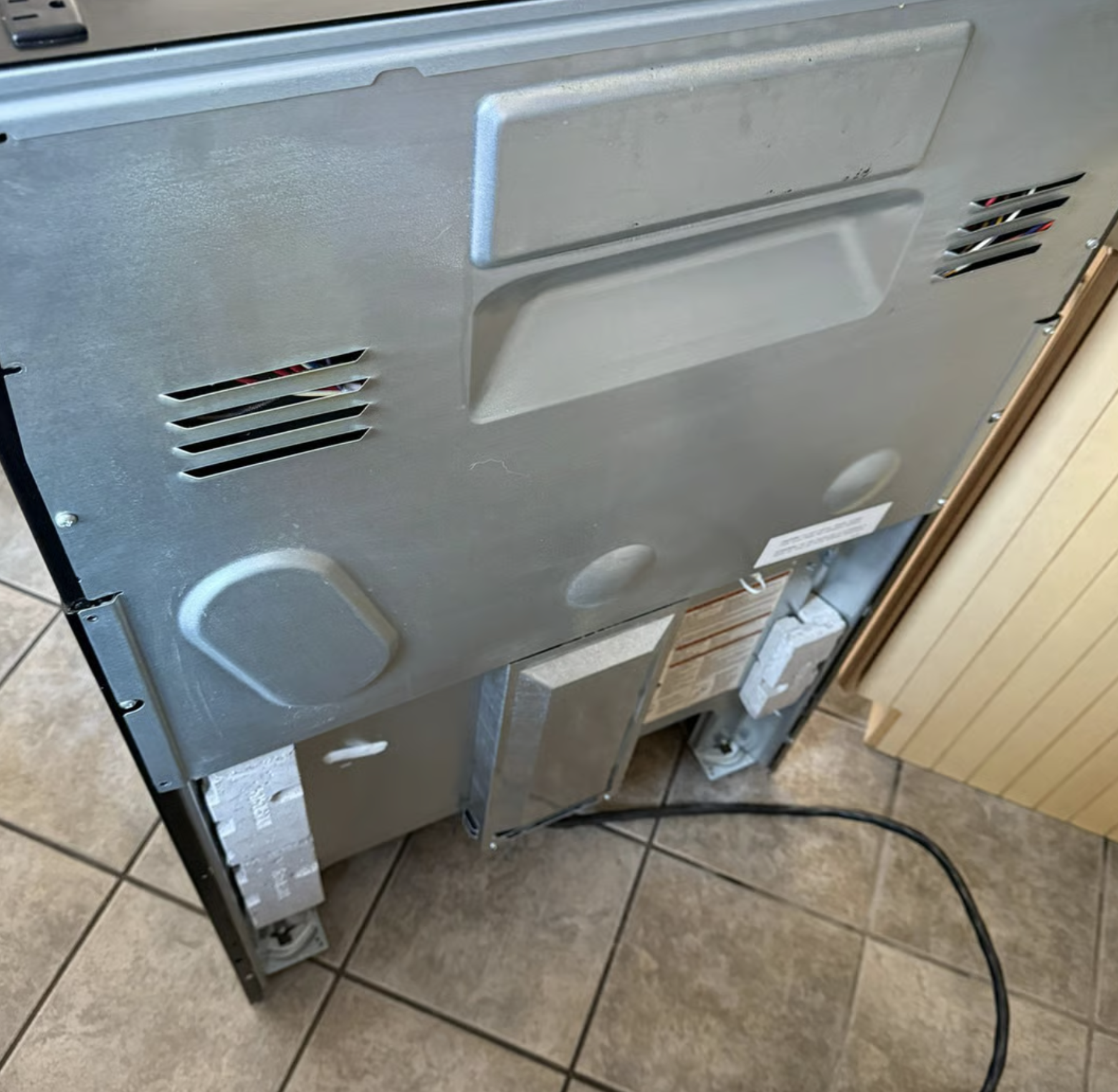
Every refrigerator repair begins with a professional diagnosis and ends with a fully tested appliance. From replacing faulty thermistors and temperature sensors to repairing dampers and airflow systems, YANFIX helps Ottawa homeowners eliminate food freezing problems and restore proper refrigerator temperature control.
You’ve Got Questions?
We’ve Got Answers!
Everything you need to know before you book.
Why is my refrigerator freezing food?
A refrigerator may freeze food because of a faulty thermistor, temperature sensor failure, stuck air damper, airflow problem, or control board malfunction. These components work together to regulate refrigerator temperature and cooling performance. When one of them becomes inaccurate or fails completely, the refrigerator compartment may become colder than intended and begin freezing vegetables, beverages, dairy products, fruit, leftovers, and other food items.
Why does food freeze even when the temperature setting looks correct?
Intermittent food freezing usually indicates unstable temperature control rather than a continuously overcooling refrigerator. Faulty sensors, thermistors, airflow problems, and control board issues can cause temperatures to occasionally drop below normal refrigeration levels before returning to a warmer range.
Why are vegetables freezing in my crisper drawer?
Vegetables stored in a crisper drawer should remain cold and fresh without freezing. If lettuce, cucumbers, peppers, celery, spinach, or other produce regularly develop ice crystals, the refrigerator temperature may be too low. This can be caused by excessive cold air entering the refrigerator compartment, inaccurate temperature regulation, airflow problems, or a failing temperature control component affecting overall cooling performance.
Why does milk freeze near the back wall?
The rear section of the refrigerator compartment is often colder than other areas because it is closer to cooling surfaces and airflow channels. If milk repeatedly freezes near the back wall, the refrigerator may be overcooling or distributing cold air unevenly. This symptom is commonly associated with airflow problems, temperature sensor issues, or improper temperature regulation within the cooling system.
Can a faulty thermistor cause a refrigerator to become too cold?
Yes. The thermistor continuously monitors refrigerator temperature and helps control cooling cycles. When the thermistor becomes inaccurate, it may incorrectly report that the refrigerator is warmer than it actually is. As a result, the cooling system may continue operating longer than necessary, causing food freezing, excessive cooling, and unstable refrigerator temperature regulation throughout the appliance.
What temperature should a refrigerator maintain?
Most refrigerators should maintain a food storage temperature between 1°C and 4°C (34°F–40°F) inside the fresh food compartment. Temperatures below this range may cause vegetables, fruit, beverages, dairy products, and leftovers to freeze. Maintaining proper refrigerator temperature is important for food preservation, cooling performance, and overall appliance efficiency.
Is it worth repairing a refrigerator that is too cold?
In many cases, yes. Problems involving thermistors, temperature sensors, air dampers, control boards, and airflow systems can often be repaired for significantly less than the cost of replacing the entire refrigerator. A professional refrigerator diagnosis can determine the exact cause of the overcooling condition and help identify the most cost-effective repair solution
Do you repair all refrigerator brands?
Yes. YANFIX repairs Samsung, LG, Whirlpool, KitchenAid, GE, Frigidaire, Maytag, Electrolux, Bosch, and most other major refrigerator brands commonly found in Ottawa homes. We diagnose refrigerator temperature problems, food freezing complaints, cooling system faults, airflow issues, and temperature regulation failures across a wide range of refrigerator models.
Need Refrigerator Repair In Ottawa?
If your refrigerator is freezing food, creating ice crystals on beverages, damaging vegetables, or maintaining temperatures below the normal food storage range, YANFIX can help.
Our technicians diagnose refrigerator temperature control problems, identify the failed component, and restore proper cooling performance so your food stays cold without freezing.
Book Your Refrigerator Repair Today
Call YANFIX or use the contact form below to schedule service.
Contact Information
- 18 Inwood Drive Kanata, Ontario, K2M 1Z5
- +1613913-30-23
- support@yanfix.com