
Refrigerator
Door Not Closing Properly
in Ottawa?
Door Won’t Stay Closed, Pops Open, Or Doesn’t Seal Properly? We’ll Find The Cause And Fix It Fast.
A refrigerator door must close completely to maintain proper temperatures and prevent warm air from entering the appliance. If the door won’t stay shut, pops open after closing, requires extra force, or leaves visible gaps, cooling performance can suffer and energy consumption can increase.
YANFIX provides professional refrigerator repair throughout Ottawa. We diagnose refrigerator door problems, identify the cause, and restore proper door alignment and sealing performance.
A refrigerator door that does not close properly can create several problems throughout the appliance. Warm air may enter continuously, causing frost buildup, rising temperatures, food spoilage, excessive compressor run times, and increased energy consumption.
Common causes include damaged door gaskets, worn hinges, sagging doors, alignment problems, overloaded door shelves, damaged closing cams, and obstructions inside the refrigerator. Because several different components affect door operation, professional diagnosis is often required to identify the exact cause.
YANFIX provides professional refrigerator repair throughout Ottawa. We diagnose door sealing problems, explain repair options clearly, and restore proper refrigerator operation.
COMMON CAUSES OF A REFRIGERATOR DOOR NOT CLOSING PROPERLY
| Cause | Typical Symptom | Professional Repair Needed? |
|---|---|---|
| Damaged Door Gasket | Door does not seal | Sometimes |
| Worn Door Hinges | Door sags downward | Yes |
| Door Alignment Problem | Visible gaps around door | Yes |
| Broken Door Cam | Door won’t self-close | Yes |
| Overloaded Door Shelves | Door swings open | Sometimes |
| Obstructed Interior Shelves | Door cannot close fully | Sometimes |
| Warped Door | Incomplete seal | Yes |
| Cabinet Leveling Issue | Door opens unexpectedly | Sometimes |
COMPONENTS THAT CAN CAUSE DOOR CLOSING PROBLEMS
| Component | Applies To | What Fails |
|---|---|---|
| Door Gasket | All refrigerators | Poor air seal |
| Door Hinges | All refrigerators | Door sagging |
| Closing Cam | Many models | Door won’t self-close |
| Door Bushings | Many models | Misalignment develops |
| Door Shelves | All refrigerators | Excessive weight |
| Cabinet Leveling System | Most refrigerators | Improper door angle |
| Door Frame | All refrigerators | Warping or damage |
| Magnetic Gasket Insert | Most models | Weak sealing force |
WHY YOUR REFRIGERATOR DOOR IS NOT CLOSING PROPERLY
Damaged Door Gasket
The door gasket creates the airtight seal that keeps cold air inside the refrigerator. Over time, gaskets can crack, tear, warp, or lose flexibility. When this happens, the door may appear closed while still allowing warm air to enter. Damaged gaskets often lead to frost buildup, higher energy consumption, longer compressor run times, and unstable refrigerator temperatures.
Worn Door Hinges
Door hinges support the weight of the refrigerator door every time it is opened and closed. As hinges wear, the door may begin sagging and become misaligned. Even a small alignment change can prevent proper sealing and create gaps around the door. Worn hinges are a common cause of refrigerator doors that no longer close correctly.
Broken Door Closing Cam
Many refrigerators use a closing cam that helps pull the door shut during the final portion of the closing movement. When the cam becomes worn or damaged, the door may no longer self-close properly. Homeowners often notice the door remaining slightly open unless it is pushed firmly into place.
Excessive Weight In Door Shelves
Door shelves are designed to hold food and beverages, but excessive weight can place additional stress on hinges and alignment components. Heavy containers, large bottles, and overloaded shelves may cause the door to sag over time, reducing sealing performance and making proper closure more difficult.
Food Containers Blocking The Door
Sometimes the problem is not a failed component but an obstruction inside the refrigerator. Food containers, drawers, shelves, and oversized packages can prevent the door from closing completely. Even a small obstruction may leave a gap large enough to affect cooling performance and increase energy consumption.
Refrigerator Is Not Level
Many refrigerator doors rely on proper cabinet positioning to close correctly. If the appliance is no longer level, gravity may work against the closing mechanism instead of helping it. A leveling issue can cause doors to swing open unexpectedly or fail to seal completely after closing.
Door Gasket Is Dirty
Food residue, grease, dust, and debris can accumulate on the gasket surface over time. When contamination prevents full contact between the gasket and cabinet, sealing performance declines. A dirty gasket may create small air leaks that eventually lead to frost buildup and temperature regulation problems.
Warped Refrigerator Door
Physical damage or long-term stress can sometimes cause the refrigerator door itself to become slightly warped. When the door is no longer perfectly aligned with the cabinet, sealing gaps may develop around the perimeter. Warped doors often require professional inspection to determine whether repair is possible.
Weak Magnetic Gasket
Most refrigerator gaskets contain magnetic inserts that help keep the door closed. As these magnetic components weaken, the door may not pull tightly against the cabinet. Reduced sealing force can allow warm air infiltration and create ongoing cooling efficiency problems.
Ice Buildup Around The Door Area
Frost or ice accumulation near the door opening can interfere with normal closure. Even small amounts of ice may prevent the gasket from making full contact with the cabinet. As the problem worsens, the refrigerator may experience additional frost buildup and declining cooling performance.
Misaligned Door Components
Bushings, hinge brackets, mounting hardware, and alignment components can gradually shift or wear. When this occurs, the door may sit unevenly relative to the cabinet. Misalignment often causes visible gaps, inconsistent sealing, and difficulty keeping the door fully closed.
Multiple Door Components Have Worn Out
Older refrigerators may develop several door-related issues at the same time. Worn hinges, aging gaskets, alignment problems, and weakened closing mechanisms can combine to create persistent sealing failures. Professional diagnosis helps identify all contributing factors and restore proper door operation.
SIGNS YOUR REFRIGERATOR DOOR MAY REQUIRE REPAIR
The Door Pops Open After Closing
A refrigerator door should remain securely closed after being shut. If the door pops back open a few seconds later, warm air can continuously enter the appliance. This symptom is often caused by worn door cams, alignment issues, overloaded door shelves, or gasket problems that prevent proper sealing.
You Need To Push The Door Closed Firmly
If the refrigerator requires extra force every time you close the door, normal operation has likely been affected. A healthy refrigerator door should close smoothly and seal without excessive effort. This symptom often points to gasket problems, hinge wear, alignment issues, or obstructions inside the refrigerator compartment.
Visible Gaps Around The Door Seal
A properly sealed refrigerator door should sit evenly against the cabinet. If you notice visible gaps along the top, bottom, or sides of the door, cold air may be escaping continuously. Visible gaps are commonly associated with damaged gaskets, sagging doors, worn hinges, or cabinet leveling problems.
Frost Is Forming Inside The Refrigerator
Warm air entering through a poorly sealed door introduces additional moisture into the appliance. As this moisture condenses and freezes, frost may begin appearing on shelves, vents, freezer walls, or food packages. Unexpected frost buildup is often a strong indication of a door sealing problem.
Food Is Not Staying Cold Enough
A refrigerator door that does not close properly can significantly affect internal temperatures. Cold air escapes while warm air enters, forcing the cooling system to work harder. Over time, food may spoil faster, beverages may not stay cold, and temperatures throughout the refrigerator may become inconsistent.
The Refrigerator Runs Longer Than Normal
When cold air escapes through an improperly sealed door, the refrigerator often compensates by running longer cooling cycles. If the compressor seems to operate more frequently or for extended periods, a door sealing problem may be contributing to reduced cooling efficiency and higher energy consumption.
Condensation Appears Around The Door
Moisture around the door opening often indicates warm air infiltration. Condensation may appear on door edges, cabinet surfaces, shelves, or nearby interior areas. This symptom commonly develops when the gasket is damaged, dirty, misaligned, or unable to create a complete airtight seal.
The Door Looks Uneven
A refrigerator door should sit level relative to the cabinet. If one side appears lower than the other or the door looks tilted, worn hinges, damaged bushings, or alignment problems may be present. Uneven doors often struggle to maintain a proper seal and may worsen over time.
The Gasket Appears Cracked Or Torn
Physical damage to the gasket is one of the easiest signs to identify. Cracks, tears, splits, hardened sections, and deformed areas can all reduce sealing performance. Even small gasket defects may allow enough warm air to enter the refrigerator to affect cooling efficiency.
The Door Does Not Self-Close Properly
Many refrigerator doors are designed to close automatically when left slightly open. If the door no longer pulls itself closed during the final portion of movement, the closing cam, hinges, leveling system, or alignment components may require inspection and repair.
Energy Bills Have Increased
A poorly sealing refrigerator door can increase energy consumption significantly. The cooling system must operate longer and more frequently to compensate for escaping cold air. If energy costs have increased alongside cooling or sealing problems, the refrigerator door may be contributing to the issue.
Multiple Door Symptoms Appear Together
When door popping, visible gaps, frost buildup, condensation, long run times, poor cooling performance, and alignment problems occur together, the refrigerator likely has an underlying door system issue. Multiple symptoms usually indicate a condition that requires professional diagnosis and correction.
Why Choose Yanfix
We make appliance repair easy, fast, and reliable
Forget long waits, hidden fees, and sloppy work. At Yanfix, we treat your time and home with respect — delivering expert service you can count on.
Accurate Refrigerator Door Diagnostics
A refrigerator door that does not close properly can be caused by damaged gaskets, worn hinges, broken door cams, alignment problems, cabinet leveling issues, warped doors, and overloaded door shelves. Because multiple faults can produce similar symptoms, YANFIX performs complete diagnostics to identify the actual cause before recommending repairs.
Refrigerator Door Seal And Gasket Specialists
A failed door seal can lead to warm air infiltration, frost buildup, food spoilage, longer compressor run times, and higher energy consumption. We diagnose gasket problems, sealing failures, magnetic gasket issues, and door alignment faults to restore a proper airtight seal and efficient refrigerator operation.
Experience With All Major Refrigerator Brands
Different refrigerator manufacturers use different hinge systems, door closing mechanisms, gasket designs, and alignment components. We repair Samsung, LG, Whirlpool, KitchenAid, GE, Frigidaire, Maytag, Electrolux, Bosch, and many other refrigerator brands commonly found in Ottawa homes.
Refrigerator Door Alignment And Closure Experts
Whether the door pops open after closing, will not stay shut, sags downward, leaves visible gaps, or no longer seals properly, we diagnose the root cause and restore smooth door operation. Proper door alignment helps improve cooling performance, reduce energy consumption, and protect food from temperature fluctuations.
What You Can Check Before Calling For Service
Check For Food Containers Blocking The Door
Large food containers, trays, pizza boxes, and oversized packages can prevent the refrigerator door from closing completely. Even a small obstruction may create a gap that allows cold air to escape. Carefully inspect shelves, drawers, and door compartments to ensure nothing is interfering with normal door movement.
Inspect The Door Gasket For Visible Damage
Examine the entire gasket for cracks, tears, hardened sections, warping, or areas pulling away from the door. A damaged gasket cannot maintain a proper seal and often allows warm air to enter continuously. Identifying visible gasket damage early can help prevent cooling problems and frost buildup.
Clean The Door Gasket Thoroughly
Food residue, grease, dust, and sticky substances can accumulate on gasket surfaces over time. When contamination prevents full contact between the gasket and cabinet, sealing performance declines. Cleaning the gasket with warm water and a soft cloth may improve the seal if no physical damage is present.
Check Whether The Door Is Sagging
Stand several feet away and compare the top of the refrigerator door with the cabinet. If one side appears lower than the other, hinge wear or alignment problems may be developing. A sagging door often struggles to seal properly and may become progressively worse over time.
Verify The Refrigerator Is Level
A refrigerator should sit level and stable on the floor. If the cabinet leans forward or to one side, the door may not close correctly. Many refrigerators rely on slight rearward tilt to help doors self-close during the final portion of movement.
Test Whether The Door Self-Closes
Open the door slightly and allow it to close naturally. Many refrigerators are designed to pull themselves shut during the last few inches of movement. If the door remains partially open or requires manual force to seal, the closing system may require attention.
Look For Frost Near The Door Opening
Frost forming near the door seal, around shelves, or close to the cabinet opening often indicates warm air infiltration. This symptom commonly develops when the gasket is damaged, dirty, misaligned, or unable to create a complete airtight seal.
Check For Condensation Around The Door
Moisture on the gasket, cabinet edge, shelves, or surrounding surfaces often indicates a sealing problem. Warm room air entering the refrigerator can create condensation that eventually leads to frost buildup and reduced cooling efficiency.
Remove Excess Weight From Door Shelves
Heavy bottles, large containers, and overloaded door compartments place additional stress on hinges and alignment components. Reducing the weight carried by the door can sometimes improve closure performance and help identify whether sagging is contributing to the problem.
Observe Whether The Door Pops Open
After closing the door, watch it for several seconds. If it reopens slightly or fails to remain sealed, a closing cam, hinge, gasket, or alignment issue may be present. This symptom often becomes worse as wear continues to develop.
Check For Gaps Using A Flashlight
In a dark room, place a flashlight inside the refrigerator and close the door. If light is visible around the gasket area, the seal may be incomplete. Visible light leakage often indicates gasket damage, door warping, or alignment problems.
Schedule Professional Diagnosis If The Problem Continues
If the door still fails to close properly after basic checks have been completed, professional diagnosis is usually required. Problems involving hinges, door cams, alignment systems, gaskets, and cabinet geometry often require adjustment, repair, or component replacement to restore proper sealing performance.
HOW YANFIX FIXES A REFRIGERATOR DOOR THAT IS NOT CLOSING PROPERLY
Step 1 — Confirm The Door Closure Problem
We begin by identifying exactly how the door is failing. Some doors pop open after closing, others sag, fail to seal completely, require excessive force, or leave visible gaps around the gasket. Understanding the specific symptom helps narrow down the possible causes before inspection and testing begin.
Step 2 — Inspect Door Alignment
The refrigerator door is inspected for sagging, uneven positioning, cabinet alignment issues, and improper spacing around the perimeter. Even minor alignment problems can prevent proper sealing and allow warm air to enter the refrigerator continuously.
Step 3 — Examine The Door Gasket
The gasket is inspected for cracks, tears, hardening, deformation, contamination, and loss of sealing performance. Because the gasket is responsible for creating an airtight seal, any damage can significantly affect cooling efficiency and refrigerator performance.
Step 4 — Check Door Hinges And Bushings
Door hinges and support bushings are inspected for wear, looseness, damage, and excessive movement. Worn hinge components often cause the door to sag, shift out of position, and lose its ability to close properly.
Step 5 — Inspect The Door Closing Cam
Many refrigerators use a closing cam that helps pull the door shut during the final stage of movement. We inspect the cam for wear, breakage, and improper operation. A failed cam often causes the door to remain partially open.
Step 6 — Verify Cabinet Leveling
The refrigerator cabinet is checked for proper leveling and positioning. An improperly leveled refrigerator can prevent the door from closing naturally and may place unnecessary stress on hinges and alignment components.
Step 7 — Check For Obstructions And Door Shelf Issues
We inspect shelves, drawers, door bins, and stored items that may interfere with proper door closure. Excessive weight on the door or internal obstructions can contribute to alignment and sealing problems.
Step 8 — Test Door Seal Performance
The complete perimeter of the door seal is tested to identify air leaks, weak sealing areas, and points where warm air may be entering the refrigerator. Proper seal testing helps identify issues that may not be immediately visible during inspection.
Step 9 — Repair Or Replace The Failed Component
Once the source of the problem has been identified, the defective component is repaired or replaced. Depending on the diagnosis, this may involve door gaskets, hinges, bushings, closing cams, alignment components, or leveling adjustments.
Step 10 — Verify Proper Door Operation
After repairs are completed, the refrigerator door is tested repeatedly to verify smooth movement, proper alignment, reliable self-closing action, and complete sealing performance. We confirm that the door closes correctly and maintains an airtight seal before completing the repair.
REFRIGERATOR BRANDS WE SERVICE IN OTTAWA
Samsung Refrigerator Door Not Closing Repair
Samsung refrigerators may develop door closure problems due to worn hinges, damaged door gaskets, alignment issues, broken door cams, and excessive weight on door shelves. These problems can lead to warm air infiltration, frost buildup, and higher energy consumption. We diagnose the exact cause and restore proper door operation.
LG Refrigerator Door Not Closing Repair
LG refrigerators rely on properly aligned hinges, door seals, and closing mechanisms to maintain cooling efficiency. Problems involving door gaskets, hinge wear, cabinet leveling, and alignment components can prevent the door from sealing correctly. We identify the source of the problem and restore reliable door closure.
Whirlpool Refrigerator Door Not Closing Repair
Whirlpool refrigerators may experience door sealing problems caused by damaged gaskets, sagging hinges, worn bushings, closing cam failures, and alignment issues. We perform complete diagnostics to determine why the door is not closing properly and restore an airtight seal.
KitchenAid Refrigerator Door Not Closing Repair
KitchenAid refrigerators use multiple components to ensure smooth door operation and proper sealing. When hinges, door cams, gaskets, or alignment systems fail, cooling efficiency can suffer. We diagnose and repair these problems to restore reliable refrigerator performance.
GE Refrigerator Door Not Closing Repair
GE refrigerators may develop closure problems because of hinge wear, gasket damage, door alignment issues, cabinet leveling problems, and worn closing components. We diagnose the root cause and restore proper sealing performance throughout the refrigerator door system.
Frigidaire Refrigerator Door Not Closing Repair
Frigidaire refrigerators commonly experience door sealing problems related to damaged gaskets, misaligned doors, worn hinges, and overloaded door compartments. We diagnose and repair these conditions to help maintain stable refrigerator temperatures.
Maytag Refrigerator Door Not Closing Repair
Maytag refrigerators may struggle to close properly because of hinge wear, gasket deterioration, alignment faults, and damaged closing cams. Our technicians identify the exact cause and recommend the appropriate repair solution.
Electrolux Refrigerator Door Not Closing Repair
Electrolux refrigerators use precision door alignment and sealing systems to maintain cooling efficiency. We diagnose closure problems involving gaskets, hinges, door support components, and alignment systems to restore proper refrigerator operation.
Bosch Refrigerator Door Not Closing Repair
Bosch refrigerators may develop door closure issues due to gasket wear, hinge failures, alignment problems, cabinet leveling issues, and damaged door support components. We diagnose and repair these problems to restore proper sealing and cooling performance.
REFRIGERATOR DOOR REPAIR COST IN OTTAWA
| Repair Type | Typical Problem | Estimated Cost |
|---|---|---|
| Door Closure Diagnosis | Door not closing properly | $80 |
| Door Gasket Replacement | Poor sealing performance | $80–$350 |
| Door Hinge Repair | Door sagging | $80–$300 |
| Door Cam Replacement | Door won’t self-close | $80–$250 |
| Door Bushing Replacement | Alignment problems | $80–$250 |
| Door Alignment Adjustment | Visible gaps around door | $80–$200 |
| Cabinet Leveling Service | Door closure issues | $80–$180 |
| Door Assembly Repair | Warped or damaged door | $80–$600 |
Repair costs vary depending on the refrigerator brand, failed component, labour required, and replacement parts. A professional diagnosis is required before an accurate repair estimate can be provided.
CUSTOMER REVIEWS
Door Finally Seals Properly
“Our refrigerator door kept popping open and food wasn’t staying cold. YANFIX replaced the worn gasket and adjusted the door alignment. The seal is perfect now.”
— Andrew P., Barrhaven
★★★★★
Fast Door Hinge Repair
“Our LG refrigerator door was sagging and wouldn’t close properly. Yan repaired the hinge assembly and the problem disappeared immediately.”
— Jessica M., Kanata
★★★★★
Excellent Diagnosis
“We thought the gasket needed replacement, but YANFIX found a door cam problem instead. Honest diagnosis and professional repair.”
— Michael T., Nepean
★★★★★
Refrigerator Repair Service Areas
We provide Refrigerator repair throughout Ottawa and nearby communities. Our technicians travel across the city every day, offering same-day Refrigerator repair for all major brands and models. Select your area below to learn more about Refrigerator repair services available in your neighbourhood.




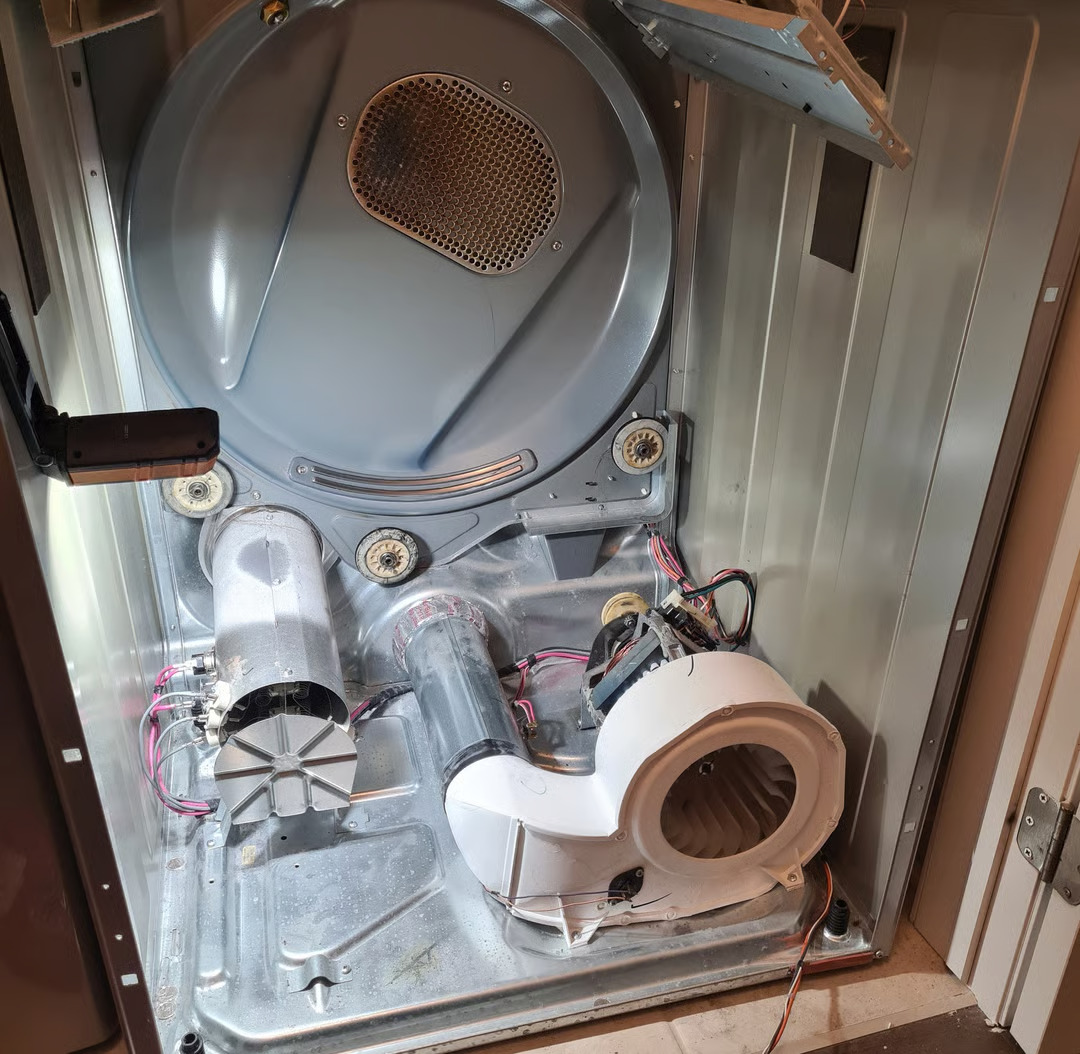
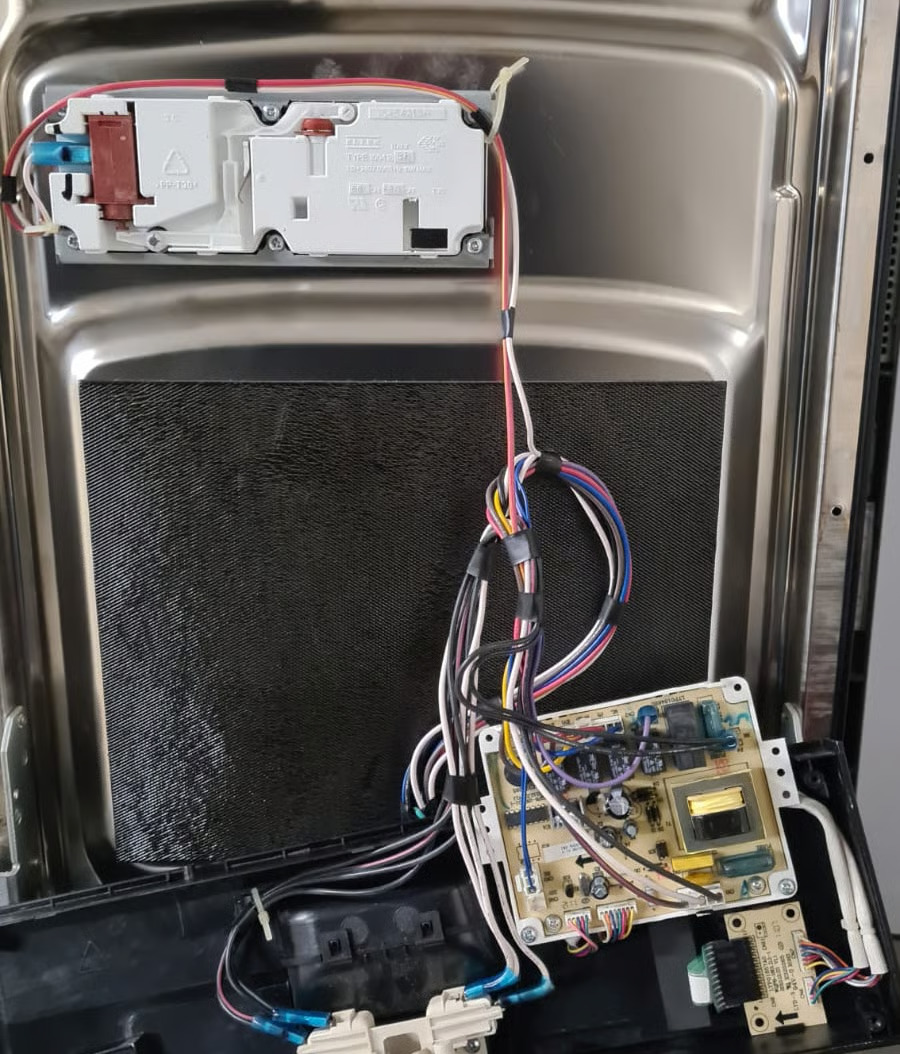
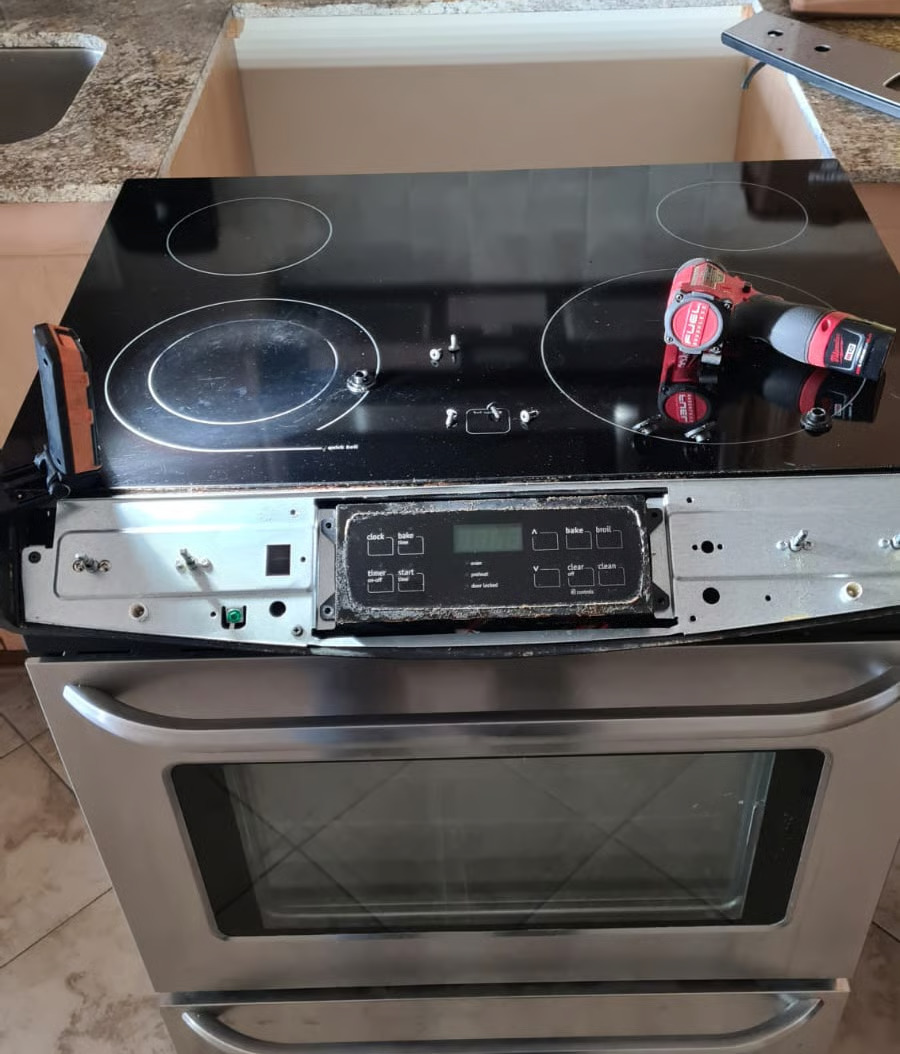
Our Work Speaks for Itself
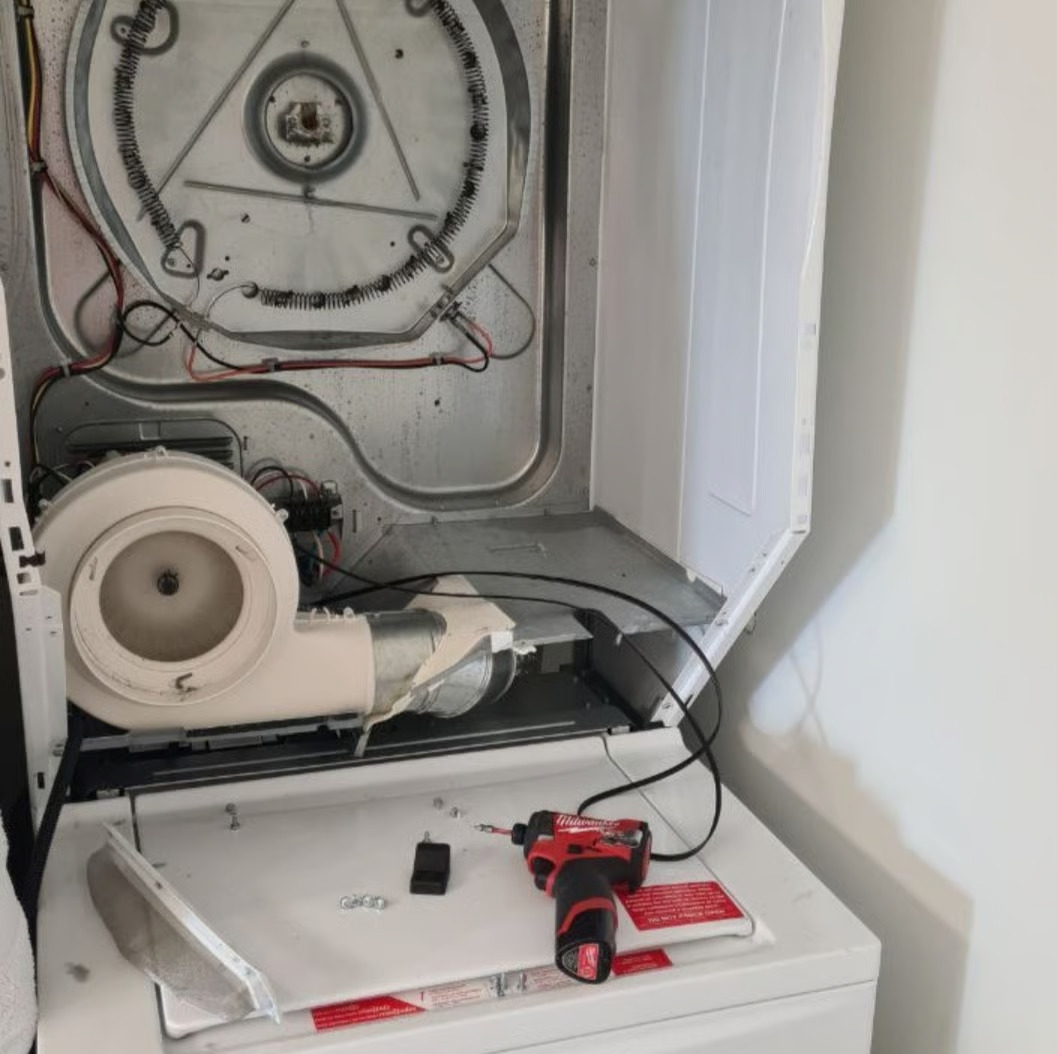
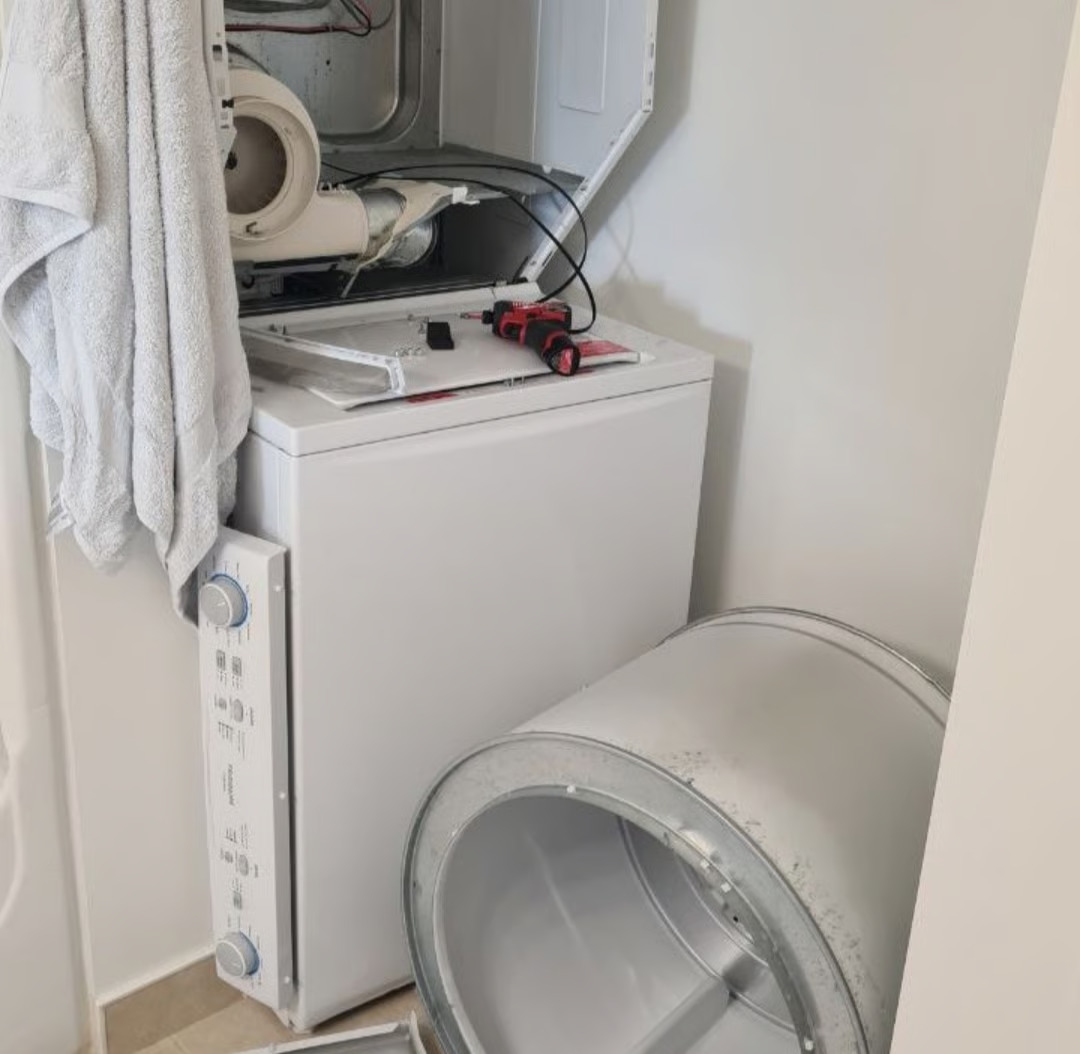
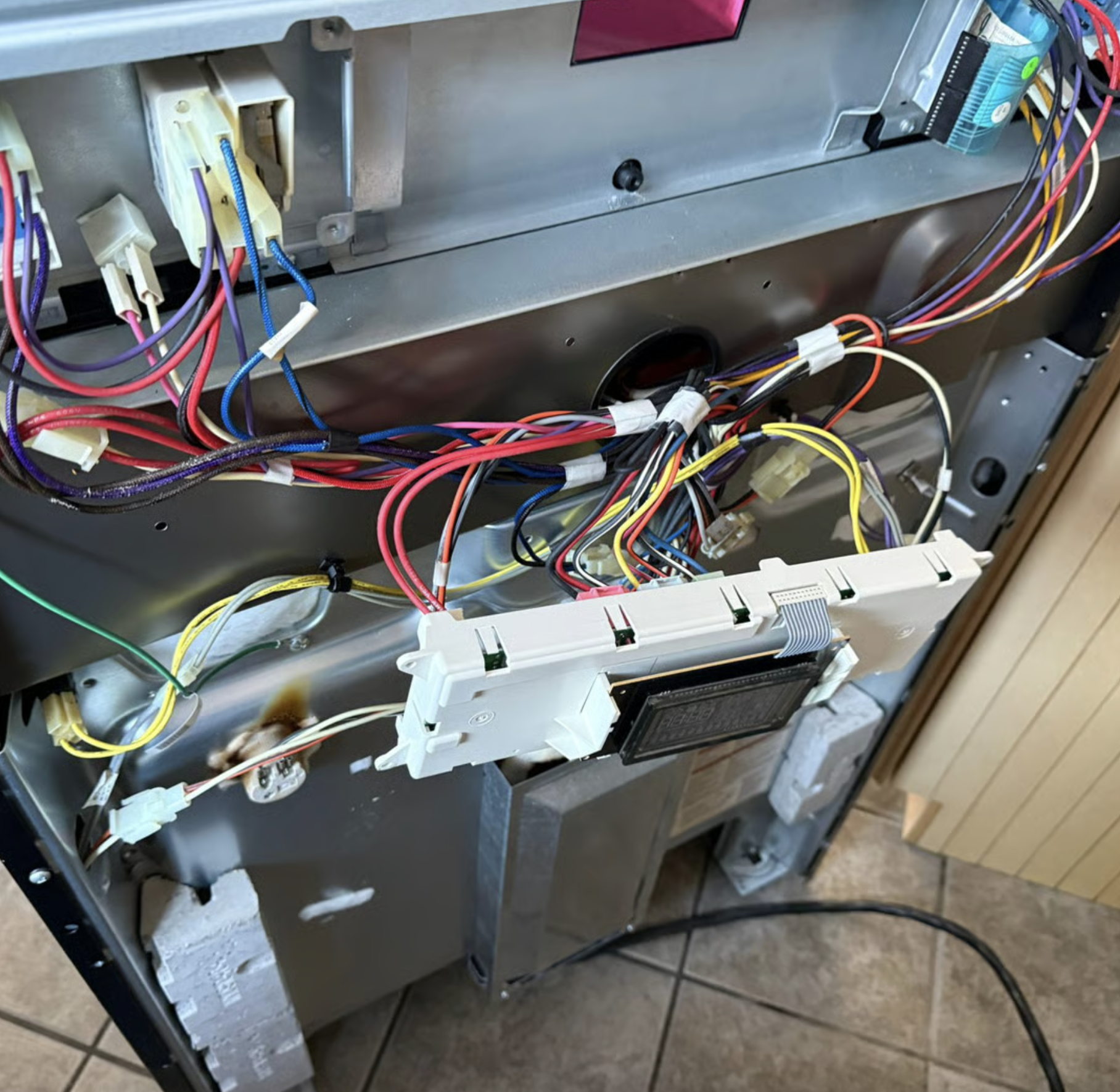
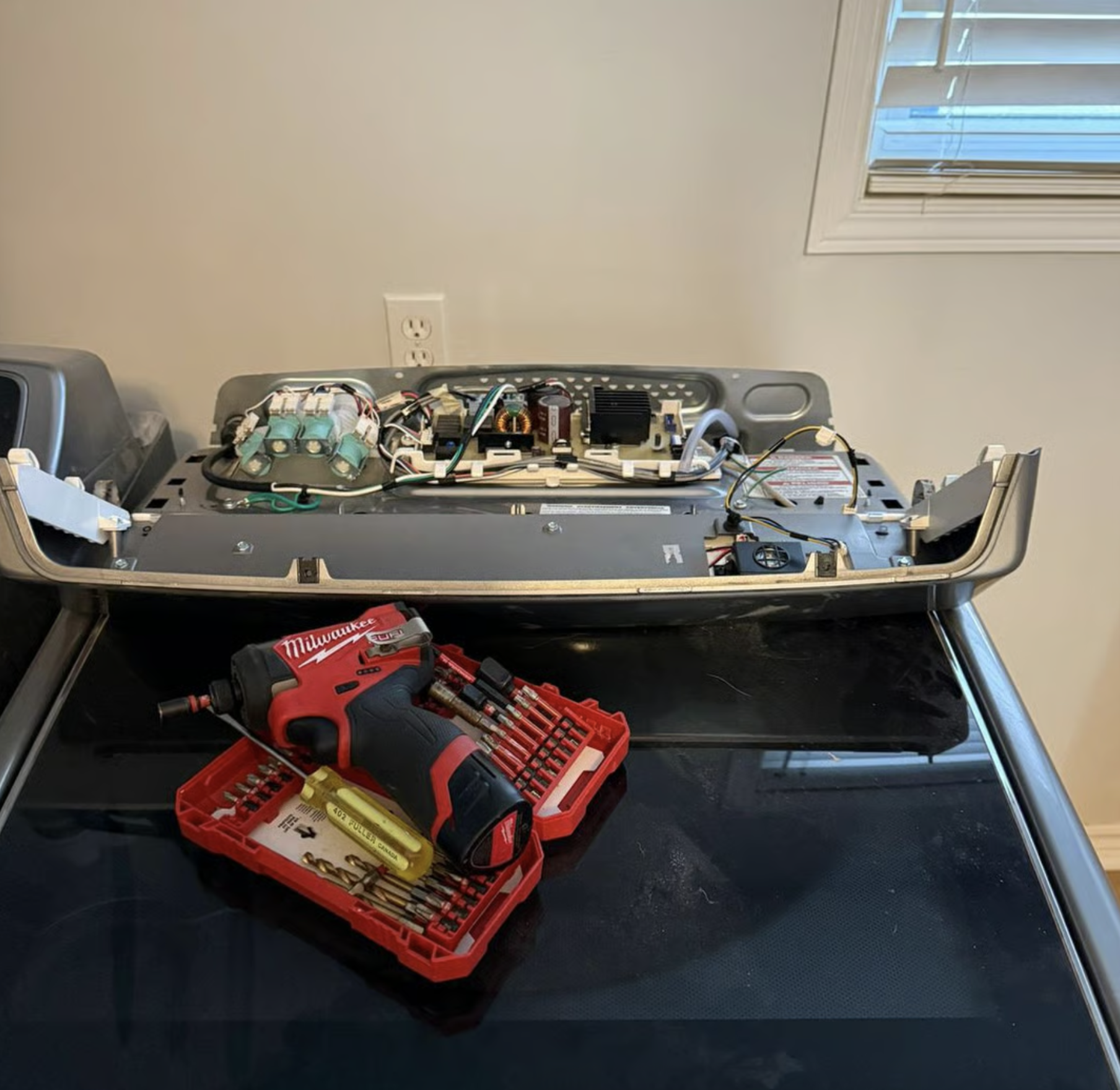
Real Repairs. Real Results.
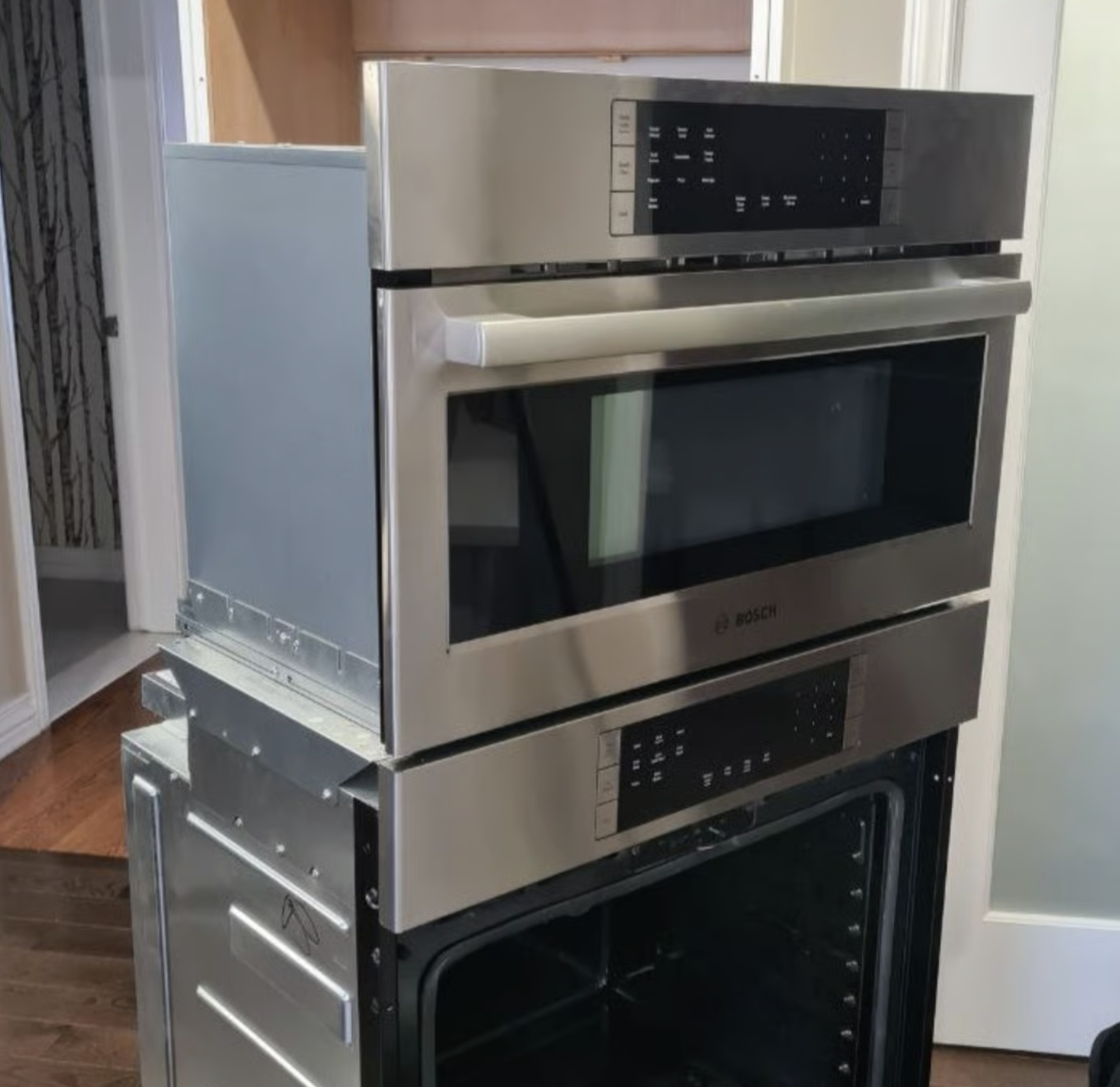
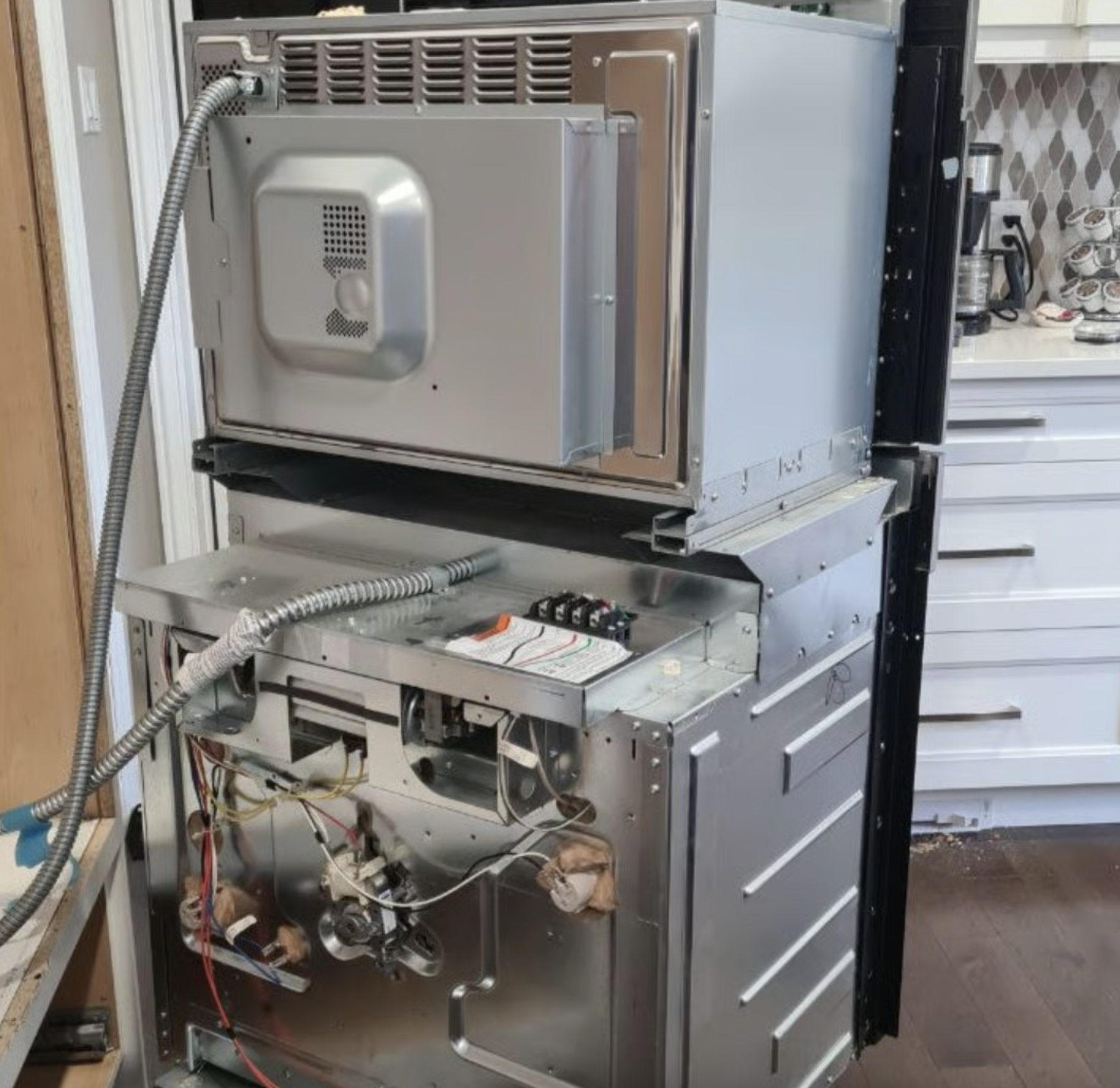
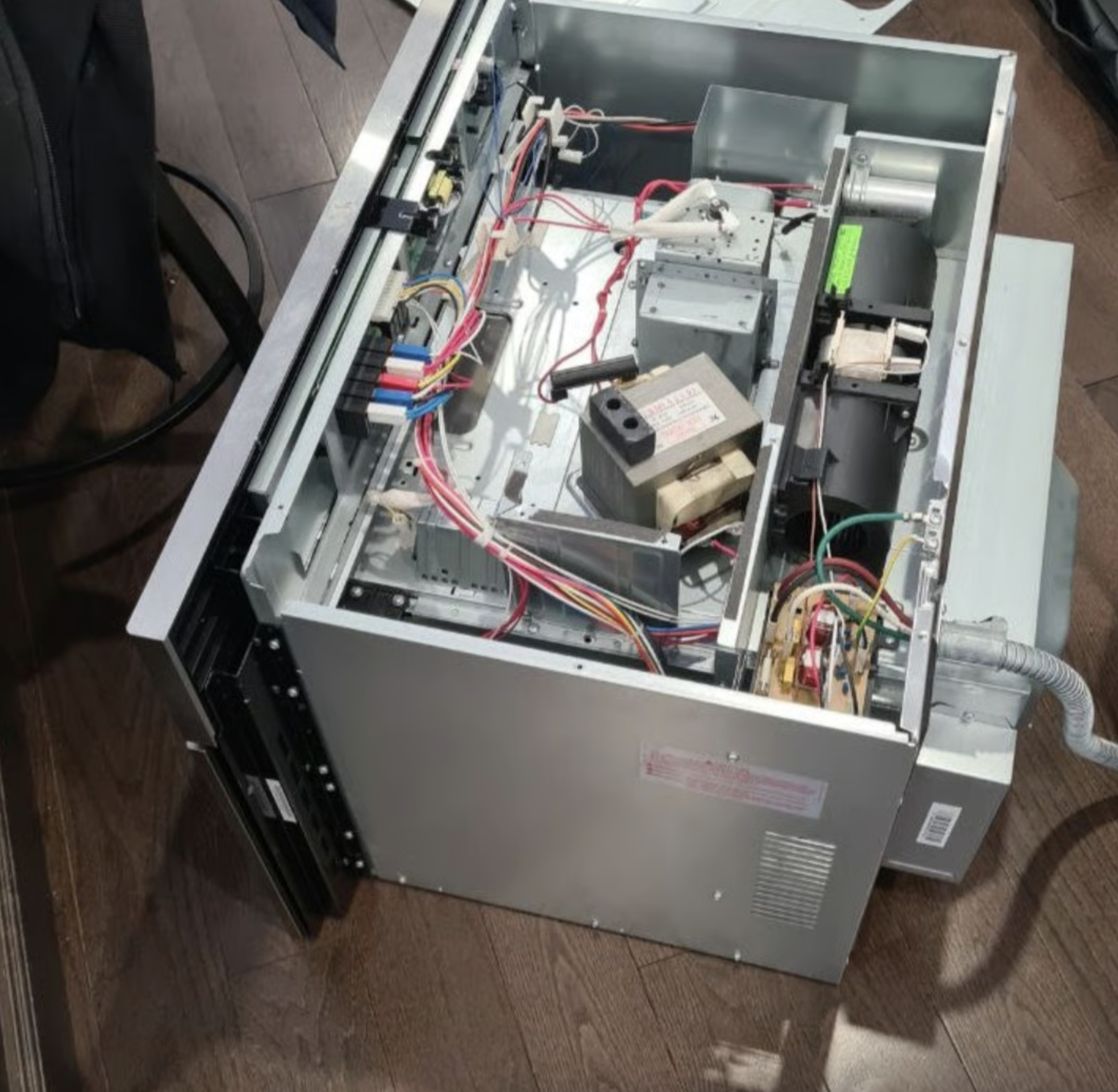
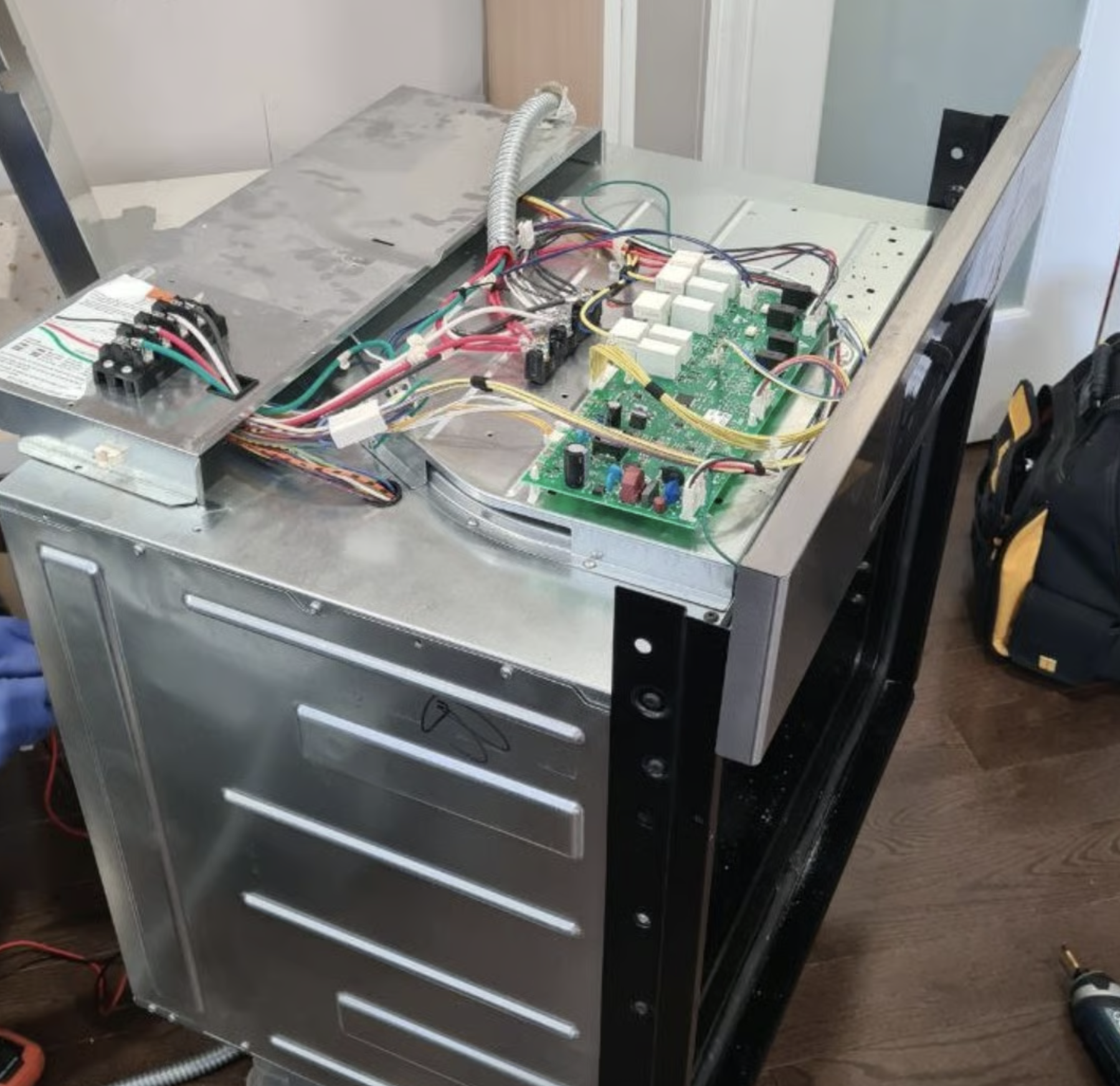
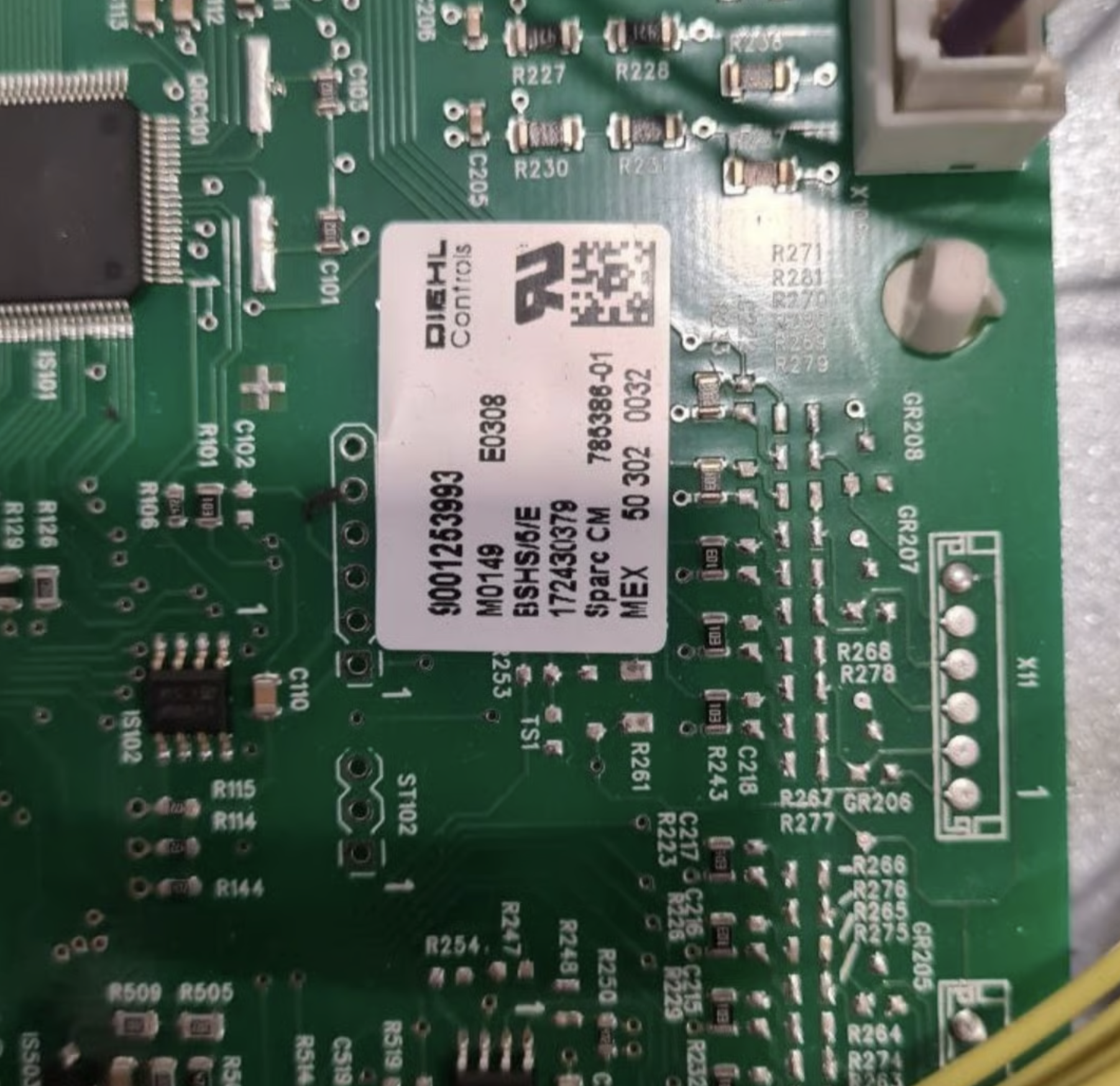
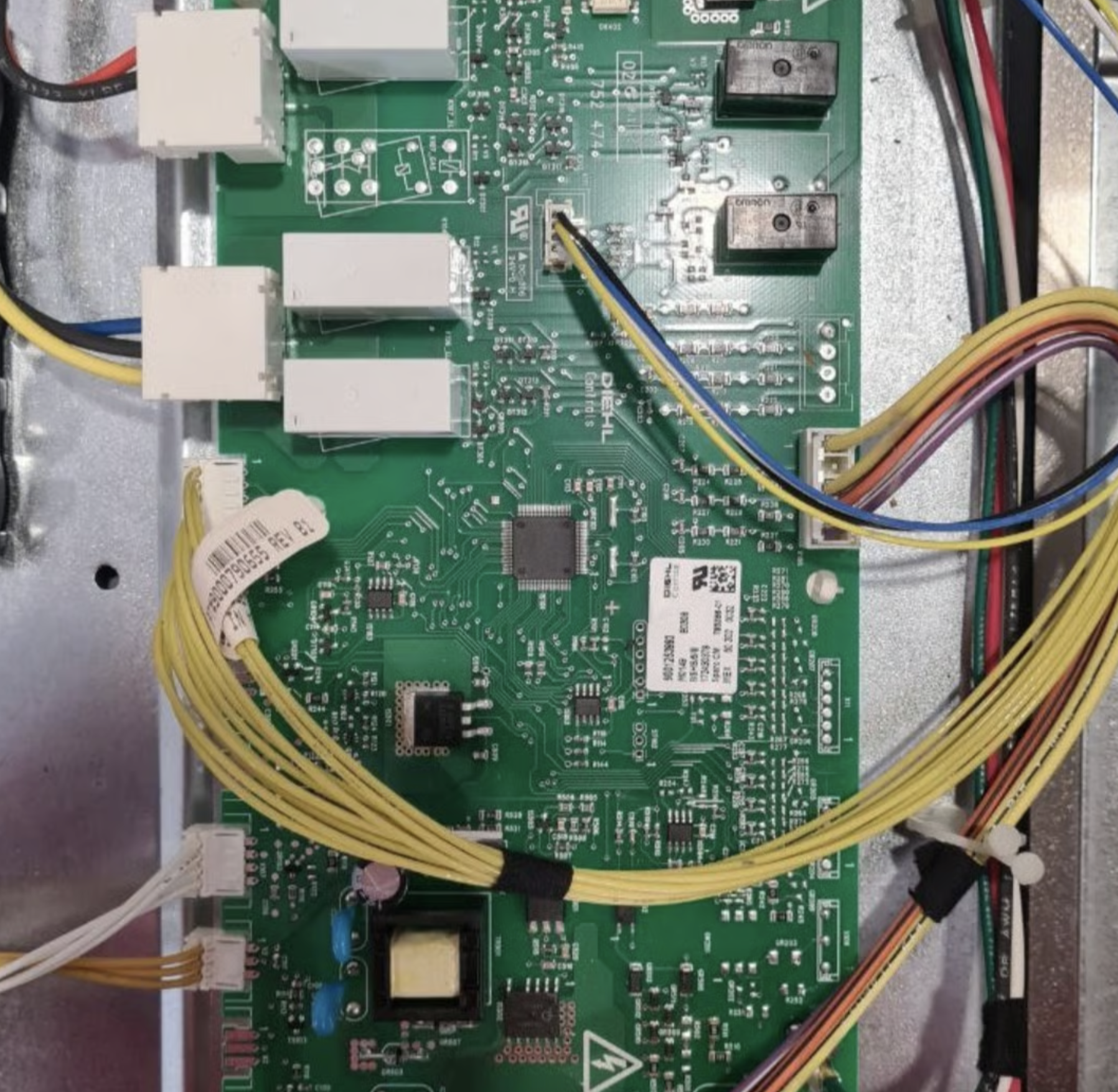
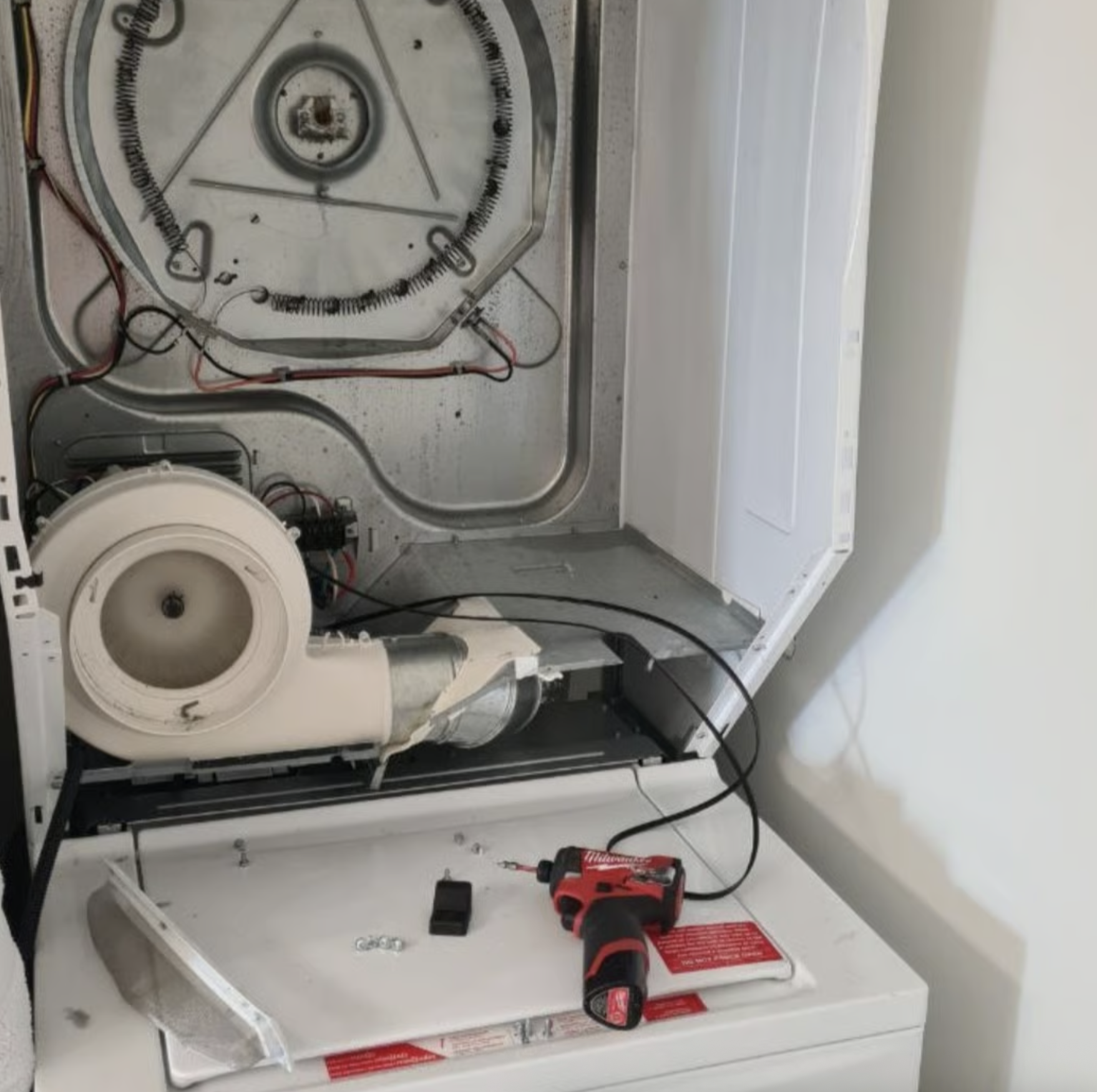
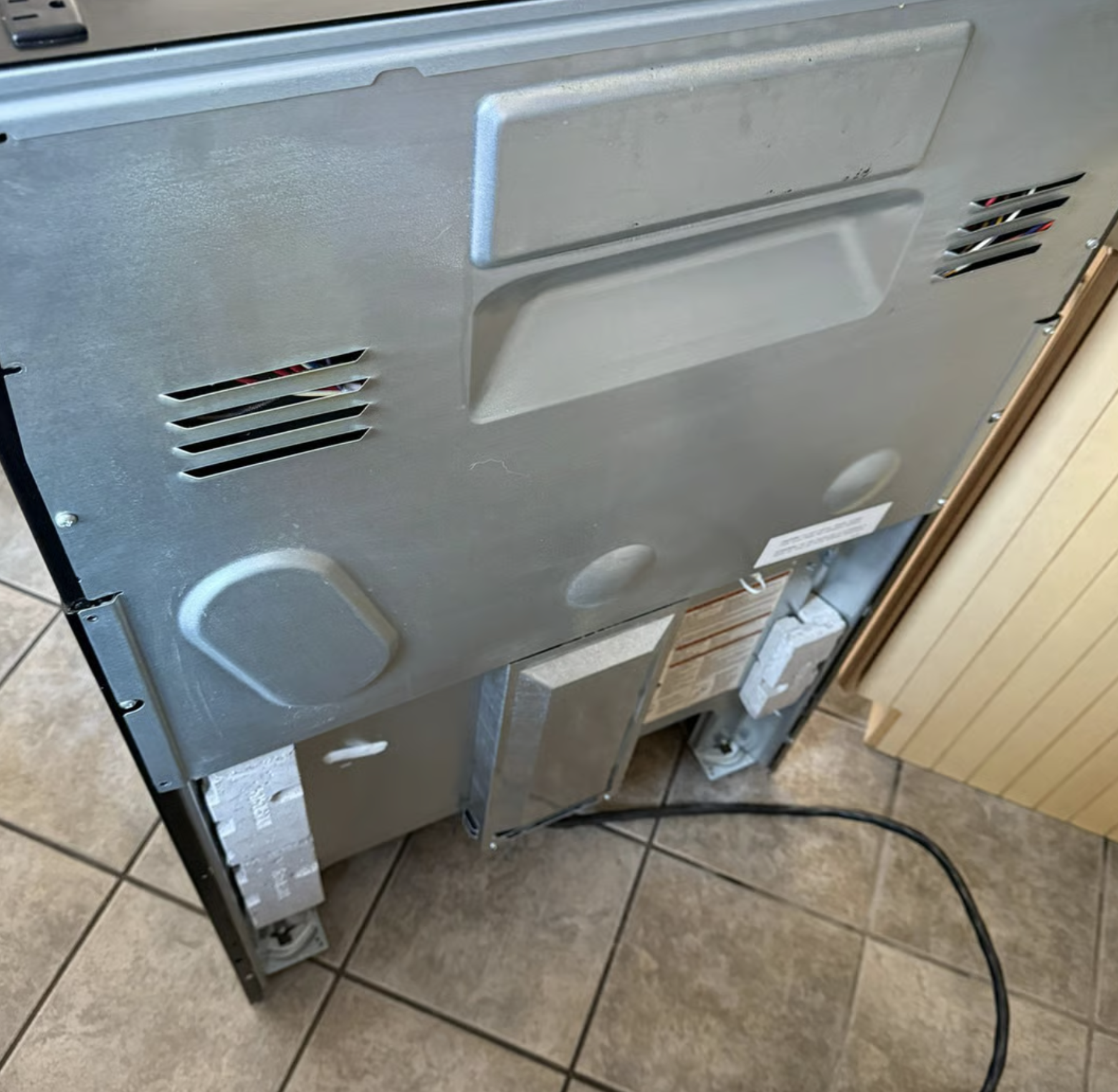
very refrigerator repair begins with a professional diagnosis and ends with a fully tested appliance. From replacing worn door gaskets and repairing sagging hinges to correcting alignment problems and restoring proper door closure, YANFIX helps Ottawa homeowners maintain efficient refrigerator operation and protect food from temperature fluctuations.
You’ve Got Questions?
We’ve Got Answers!
Everything you need to know before you book.
Why won't my refrigerator door stay closed?
The most common causes include a damaged door gasket, worn hinges, a broken door closing cam, alignment problems, excessive weight on the door, or items inside the refrigerator preventing proper closure. A professional inspection can determine the exact cause.
Why does my refrigerator door pop open after I close it?
A door that pops open often indicates alignment problems, overloaded door shelves, worn hinges, a failed closing cam, or improper leveling. This symptom should be corrected quickly because warm air can continuously enter the refrigerator.
Can a bad door gasket affect cooling performance?
Yes. A damaged gasket allows cold air to escape and warm air to enter. This forces the refrigerator to run longer cooling cycles, increases energy consumption, and can lead to frost buildup and food spoilage.
How do I know if my refrigerator gasket needs replacement?
Common signs include visible cracks, tears, hardened sections, loose areas, condensation around the door, frost buildup, visible gaps, and poor sealing performance. Any of these symptoms may indicate that gasket replacement is needed.
Can overloaded door shelves cause closure problems?
Yes. Heavy bottles, containers, and overloaded door compartments place additional stress on hinges and alignment components. Over time, excessive weight can contribute to door sagging and sealing problems.
Why is frost forming inside my refrigerator?
Frost often develops when warm air enters through a poorly sealed door. Damaged gaskets, alignment problems, and closure failures can allow moisture to enter the appliance and create frost buildup over time.
Is it worth repairing a refrigerator door that won't close properly?
In most cases, yes. Problems involving gaskets, hinges, door cams, bushings, alignment components, and leveling systems can often be repaired for significantly less than replacing the refrigerator.
Do you repair all refrigerator brands?
Yes. YANFIX repairs Samsung, LG, Whirlpool, KitchenAid, GE, Frigidaire, Maytag, Electrolux, Bosch, and most other major refrigerator brands commonly found in Ottawa homes.
Need Refrigerator Door Repair In Ottawa?
If your refrigerator door will not stay closed, pops open after closing, sags, leaves gaps, or no longer seals properly, YANFIX can help.
Our technicians diagnose the source of the problem, explain your repair options, and restore proper door operation and sealing performance.
Book Your Refrigerator Repair Today
Call YANFIX or use the contact form below to schedule service.
Contact Information
- 18 Inwood Drive Kanata, Ontario, K2M 1Z5
- +1613913-30-23
- support@yanfix.com