
Refrigerator
Too Warm
in Ottawa?
Food Spoiling Faster Than Usual? We’ll Find The Cause And Restore Proper Cooling Performance.
A refrigerator should keep food consistently cold and safe for storage. If the fresh food compartment feels warmer than normal, food is spoiling too quickly, drinks are no longer cold, or temperatures seem inconsistent, the appliance may have a developing cooling problem.
YANFIX provides professional refrigerator repair throughout Ottawa. We diagnose refrigerators that are not cooling properly, identify the failed component, and restore reliable temperature control on all major brands.
A refrigerator that feels too warm is often one of the first signs of a developing appliance problem. While the freezer may continue operating normally, the fresh food compartment can gradually lose cooling performance due to airflow issues, fan failures, sensor problems, temperature control faults, or refrigeration system issues.
Many homeowners first notice warm drinks, spoiled food, inconsistent temperatures, or excessive compressor run times. Because several different failures can produce similar symptoms, professional diagnosis is usually required to determine the exact cause.
YANFIX provides professional refrigerator repair throughout Ottawa. We diagnose cooling problems, explain repair options clearly, and restore reliable refrigerator performance.
COMMON CAUSES OF A REFRIGERATOR BEING TOO WARM
| Cause | Typical Symptom | Professional Repair Needed? |
|---|---|---|
| Evaporator Fan Failure | Poor airflow inside refrigerator | Yes |
| Dirty Condenser Coils | Reduced cooling efficiency | Sometimes |
| Temperature Sensor Failure | Incorrect temperature control | Yes |
| Damper Problem | Limited cold air flow | Yes |
| Defrost System Failure | Frost restricting airflow | Yes |
| Door Gasket Leak | Warm air entering refrigerator | Sometimes |
| Control Board Failure | Cooling cycle problems | Yes |
| Refrigeration System Issue | Persistent warm temperatures | Yes |
COMPONENTS THAT CAN CAUSE WARM TEMPERATURES
| Component | Applies To | What Fails |
|---|---|---|
| Evaporator Fan | Most refrigerators | Poor cold air circulation |
| Damper Assembly | Most modern refrigerators | Insufficient airflow |
| Thermistor | Electronic refrigerators | Incorrect temperature readings |
| Temperature Sensor | Modern refrigerators | Cooling regulation problems |
| Control Board | Electronic models | Cooling cycle failure |
| Condenser Coils | All refrigerators | Reduced heat transfer |
| Door Gasket | All refrigerators | Warm air leakage |
| Defrost System | Frost-free refrigerators | Airflow blockage |
WHY YOUR REFRIGERATOR IS TOO WARM
Failed Evaporator Fan Motor
The evaporator fan circulates cold air from the freezer throughout the refrigerator compartment. When the motor becomes weak, stops working, or operates intermittently, cold air circulation decreases significantly. The freezer may continue to feel cold while the refrigerator section becomes noticeably warmer. This is one of the most common causes of warm refrigerator complaints.
Dirty Condenser Coils
Condenser coils release heat from the refrigeration system. When dust, pet hair, and debris accumulate on the coils, heat transfer becomes less efficient. The refrigerator must work harder to remove heat, often resulting in warmer temperatures inside the fresh food compartment. Dirty coils can also increase energy consumption and compressor run times.
Damper Assembly Problems
The damper regulates how much cold air moves from the freezer into the refrigerator section. If the damper becomes stuck closed, partially blocked, or fails mechanically, insufficient cold air reaches the fresh food compartment. Food may begin spoiling even while freezer temperatures appear completely normal.
Faulty Temperature Sensor
Temperature sensors help the refrigerator determine when cooling is needed. If a sensor provides inaccurate information, the control system may not activate cooling cycles correctly. This can result in warmer-than-normal refrigerator temperatures, inconsistent cooling performance, and food spoilage throughout the fresh food compartment.
Defrost System Failure
A failed defrost system allows frost to accumulate around evaporator components. As frost buildup increases, airflow becomes restricted and cooling performance declines. The refrigerator section often becomes warm first because it depends heavily on proper airflow from the freezer compartment to maintain stable temperatures.
Door Gasket Air Leaks
Door gaskets create an airtight seal that prevents warm room air from entering the refrigerator. If the gasket becomes damaged, loose, torn, or worn, warm air continuously enters the appliance. The refrigerator may struggle to maintain proper temperatures despite running longer cooling cycles.
Control Board Malfunctions
The control board manages communication between sensors, fans, dampers, and cooling components. When the board develops faults, cooling cycles may become irregular or insufficient. The refrigerator may receive inadequate cooling even though major components appear operational, resulting in warm temperatures and inconsistent performance.
Blocked Airflow Inside The Refrigerator
Proper airflow is essential for maintaining consistent temperatures. Overpacked shelves, blocked vents, and large food containers can restrict circulation and create warm zones throughout the refrigerator. Limited airflow prevents cold air from reaching all areas of the compartment effectively.
Refrigerant System Problems
The sealed refrigeration system is responsible for removing heat from the appliance. If cooling efficiency decreases due to refrigeration system problems, the refrigerator may no longer maintain proper temperatures. Warm food, extended run times, and reduced cooling performance are common symptoms.
Excessive Frost Restricting Airflow
Heavy frost accumulation can block airflow passages and reduce cooling efficiency throughout the appliance. As airflow becomes restricted, the refrigerator compartment often warms first. This condition is frequently associated with failed defrost components and requires professional diagnosis.
Aging Compressor Performance
As compressors age, cooling performance may gradually decline. The refrigerator often compensates by running longer cycles, but eventually temperatures may begin rising despite continuous operation. Reduced compressor efficiency can affect both refrigerator and freezer performance.
Multiple Cooling Problems At The Same Time
Older refrigerators often develop several minor issues simultaneously. Dirty condenser coils, weak airflow, aging sensors, and worn door seals can combine to create significant cooling problems. Professional diagnosis helps identify all contributing factors rather than focusing on a single component.
SIGNS YOUR REFRIGERATOR MAY REQUIRE REPAIR
Food Is Spoiling Faster Than Normal
One of the most obvious signs of a refrigerator cooling problem is food spoiling sooner than expected. Milk, meat, vegetables, leftovers, and other perishable items may lose freshness despite being stored correctly. When temperatures remain slightly above the recommended range for extended periods, food quality declines and spoilage becomes much more common.
Drinks Are No Longer Cold Enough
Many homeowners first notice a cooling problem when beverages fail to reach their normal temperature. Water, juice, soft drinks, and other refrigerated beverages may feel cool but not properly chilled. This often indicates that the refrigerator compartment is operating above its intended temperature range and requires further investigation.
The Freezer Works But The Refrigerator Is Warm
A common symptom is a refrigerator compartment that becomes warm while the freezer continues operating normally. This often points to airflow problems, evaporator fan failures, damper issues, frost buildup, or circulation restrictions. Because cold air originates in the freezer, airflow problems frequently affect the refrigerator section first.
Temperatures Fluctuate Throughout The Day
A refrigerator should maintain relatively stable temperatures under normal conditions. If food feels colder at certain times and noticeably warmer at others, the appliance may have sensor problems, airflow issues, control board faults, or cooling system irregularities. Temperature fluctuations often indicate a developing component failure.
The Refrigerator Runs Constantly
When cooling performance decreases, the refrigerator often compensates by operating longer cooling cycles. If the compressor seems to run continuously while temperatures remain warmer than normal, the appliance may be struggling to remove heat efficiently. This symptom frequently accompanies airflow and refrigeration system problems.
Frost Is Building Up Inside The Freezer
Excessive frost accumulation often affects airflow throughout the appliance. As frost builds around evaporator components, cold air circulation becomes restricted and cooling performance declines. Many homeowners notice warm refrigerator temperatures before realizing that frost buildup inside the freezer is contributing to the problem.
Food Near Vents Is Cold But Everything Else Is Warm
If items located directly near air vents remain cold while food elsewhere feels warm, airflow distribution problems may be present. Damper issues, fan failures, blocked vents, and circulation restrictions can prevent cold air from reaching all areas of the refrigerator compartment evenly.
The Refrigerator Takes Longer To Cool After Opening
A healthy refrigerator should recover quickly after the door is opened. If temperatures remain elevated for extended periods after normal use, cooling efficiency may be declining. Problems involving fans, sensors, airflow systems, or refrigeration components can all reduce recovery performance.
Fresh Food Feels Warm To The Touch
Food items should feel consistently cold when removed from the refrigerator. If containers, beverages, dairy products, or leftovers feel warmer than expected, the appliance may not be maintaining safe storage temperatures. This symptom should not be ignored because food safety can be affected.
Warm Temperatures Continue Despite Adjustments
Many homeowners attempt to solve the problem by lowering the temperature setting. If refrigerator temperatures remain too warm despite multiple adjustments, a component failure may be preventing the appliance from responding correctly. Sensors, dampers, fans, and control systems are common causes.
Cooling Performance Gradually Gets Worse
Most refrigerator cooling problems begin slowly rather than appearing suddenly. Temperatures may increase gradually over weeks or months as airflow becomes restricted, components wear out, or cooling efficiency declines. Early diagnosis often prevents larger repairs and helps protect food from spoilage.
Multiple Cooling Symptoms Appear Together
When warm temperatures occur alongside frost buildup, long run times, unusual noises, poor airflow, or food spoilage, the refrigerator likely has an underlying mechanical or electrical problem. Multiple symptoms appearing together generally indicate a condition that requires professional diagnosis and repair.
Why Choose Yanfix
We make appliance repair easy, fast, and reliable
Forget long waits, hidden fees, and sloppy work. At Yanfix, we treat your time and home with respect — delivering expert service you can count on.

Accurate Refrigerator Cooling Diagnostics
A refrigerator that feels too warm can be affected by evaporator fans, dampers, thermistors, temperature sensors, control boards, door gaskets, airflow restrictions, defrost systems, and refrigeration components. Because several different failures can create similar symptoms, replacing parts without testing often wastes time and money. YANFIX performs complete diagnostics to identify the actual cause before recommending repairs
Refrigerator Airflow And Temperature Control Specialists
Many warm refrigerator complaints are caused by poor airflow rather than a complete cooling system failure. Damper problems, evaporator fan issues, blocked airflow channels, and frost buildup can prevent cold air from reaching the fresh food compartment properly. We diagnose airflow-related problems and restore balanced cooling throughout the refrigerator.
Experience With All Major Refrigerator Brands
Different manufacturers use different cooling systems, airflow designs, sensors, dampers, and electronic controls. We repair Samsung, LG, Whirlpool, KitchenAid, GE, Frigidaire, Maytag, Electrolux, Bosch, and many other refrigerator brands commonly found in Ottawa homes. This experience helps us diagnose brand-specific cooling problems quickly and accurately.
Refrigerator Cooling Performance Experts
Whether your refrigerator is slightly warm, struggling to maintain temperature, causing food to spoil, or cooling inconsistently, we diagnose the root cause and restore reliable performance. Our goal is to return the refrigerator to stable operating temperatures and help prevent future cooling problems.
What You Can Check Before Calling For Service
Verify The Temperature Setting
Before assuming a component has failed, verify that the refrigerator temperature setting has not been changed accidentally. A setting that is warmer than recommended can significantly affect food storage temperatures. Confirm the setting and allow at least 24 hours for the refrigerator to stabilize before evaluating the results.
Check Whether Air Vents Are Blocked
Cold air must move freely throughout the refrigerator compartment. Large containers, food packages, and overcrowded shelves can block airflow and create warm areas. Inspect the interior vents and ensure that air circulation pathways remain open so cold air can reach all sections of the refrigerator properly.
Inspect The Door Gaskets
Damaged door gaskets allow warm room air to enter the refrigerator continuously. Look for cracks, tears, gaps, or sections that no longer seal properly. Even a small air leak can affect cooling performance and cause temperatures inside the refrigerator compartment to rise over time.
Make Sure The Doors Close Completely
A refrigerator door that remains slightly open can cause significant cooling problems. Check that food containers, shelves, and drawers are not preventing the doors from closing fully. A door that does not seal correctly forces the refrigerator to work harder while still allowing temperatures to rise.
Check For Excessive Frost Buildup
Heavy frost accumulation inside the freezer may indicate a defrost system problem. Excessive frost can restrict airflow and reduce the amount of cold air reaching the refrigerator compartment. Inspect the freezer for unusual frost buildup around vents, panels, and evaporator cover areas.
Verify The Refrigerator Is Not Overloaded
An overpacked refrigerator can restrict airflow and create uneven temperatures. Cold air must circulate around food items to maintain consistent cooling. If shelves are packed tightly, some areas may remain warmer than others despite the refrigerator operating normally.
Listen For Fan Operation
Many refrigerators rely on evaporator fans to distribute cold air. If airflow seems weak or absent, listen for fan operation while the refrigerator is running. Unusual noises, intermittent operation, or a complete lack of airflow may indicate a fan-related problem.
Check Whether The Freezer Is Still Cold
If the freezer remains cold while the refrigerator section becomes warm, airflow issues are often responsible. This observation can provide valuable diagnostic information because many cooling problems affect the refrigerator compartment before freezer temperatures begin to rise.
Monitor Food Temperatures In Different Areas
Pay attention to whether warm temperatures affect the entire refrigerator or only specific shelves. Localized warming often points to airflow distribution problems, while widespread warming may indicate a larger cooling system issue. Understanding the pattern helps narrow down possible causes.
Observe Compressor Run Times
A refrigerator that runs continuously while remaining warm often indicates reduced cooling efficiency. If the compressor seems to operate for unusually long periods without achieving proper temperatures, a cooling system, airflow, or temperature control problem may be present.
Check For Recent Changes
Recent power outages, temperature setting adjustments, large grocery loads, or unusually hot weather can temporarily affect refrigerator performance. Consider whether any recent events may explain the change before assuming a component has failed.
Schedule Professional Diagnosis If Temperatures Remain Warm
If the refrigerator remains too warm after performing basic checks, professional diagnosis is usually required. Cooling problems often involve sensors, fans, dampers, airflow systems, control boards, or refrigeration components that require testing before the exact cause can be identified.
HOW YANFIX FIXES A REFRIGERATOR THAT IS TOO WARM
Step 1 — Confirm The Cooling Complaint
We begin by determining exactly how the refrigerator is behaving. Some refrigerators are only slightly warm, while others are unable to keep food cold at all. Understanding the severity of the problem helps narrow down possible causes before diagnostic testing begins.
Step 2 — Measure Actual Refrigerator And Freezer Temperatures
The refrigerator and freezer compartments are tested using accurate temperature measurements. This allows us to determine whether the appliance is maintaining proper temperatures and identify which compartment is being affected by the cooling problem.
Step 3 — Inspect Airflow Throughout The Refrigerator
Proper airflow is essential for maintaining stable temperatures. We inspect vents, air channels, dampers, and circulation pathways to determine whether cold air is moving correctly from the freezer into the refrigerator compartment.
Step 4 — Test The Evaporator Fan System
The evaporator fan is responsible for distributing cold air throughout the appliance. We inspect fan operation, airflow performance, motor condition, and related components to ensure the refrigerator is receiving adequate cold air circulation.
Step 5 — Diagnose Temperature Sensors And Thermistors
Temperature sensors and thermistors provide critical information to the refrigerator’s control system. We test these components for accuracy and proper operation. Incorrect temperature readings frequently lead to poor cooling performance and unstable refrigerator temperatures.
Step 6 — Inspect The Damper Assembly
The damper controls how much cold air enters the refrigerator compartment. We inspect damper movement, positioning, airflow regulation, and mechanical operation. A faulty damper can significantly reduce cooling performance even when the freezer continues operating normally.
Step 7 — Check For Frost And Defrost System Problems
Excessive frost buildup can restrict airflow and reduce cooling efficiency. We inspect the evaporator area, defrost heater, sensors, and related components to determine whether frost accumulation is contributing to the warm refrigerator condition.
Step 8 — Evaluate The Control Board And Electronic Systems
The control board manages communication between sensors, fans, dampers, and cooling components. We inspect the refrigerator’s electronic systems to identify faults that may interfere with proper temperature regulation and cooling performance.
Step 9 — Repair Or Replace The Failed Component
Once the source of the problem has been identified, the defective component is repaired or replaced. Depending on the diagnosis, this may involve fans, dampers, thermistors, sensors, control boards, door gaskets, or other cooling system components.
Step 10 — Verify Proper Cooling Performance
After repairs are completed, the refrigerator is tested through multiple operating cycles. We verify stable temperatures, proper airflow, correct component operation, and reliable cooling performance before completing the service call.
REFRIGERATOR BRANDS WE SERVICE IN OTTAWA
Samsung Refrigerator Too Warm Repair
Samsung refrigerators may become too warm due to evaporator fan failures, faulty thermistors, temperature sensor problems, damper issues, airflow restrictions, and control board malfunctions. We diagnose the exact cause of the cooling problem and restore proper refrigerator temperatures.
LG Refrigerator Too Warm Repair
LG refrigerators use advanced cooling systems that depend on accurate sensor readings, proper airflow, and efficient temperature regulation. Problems involving fans, dampers, thermistors, and electronic controls can cause the refrigerator compartment to become warmer than normal.
Whirlpool Refrigerator Too Warm Repair
Whirlpool refrigerators may experience warm temperature problems because of airflow restrictions, evaporator fan failures, temperature sensor issues, defrost system problems, and control board faults. We perform complete diagnostics to identify the source of the cooling failure.
KitchenAid Refrigerator Too Warm Repair
KitchenAid refrigerators rely on multiple cooling and airflow systems working together correctly. When fans, dampers, sensors, or electronic controls fail, the refrigerator compartment may lose cooling performance while the freezer continues operating normally.
GE Refrigerator Too Warm Repair
GE refrigerators may develop cooling problems due to faulty thermistors, temperature sensor failures, airflow restrictions, evaporator fan problems, and control board issues. We identify the root cause and restore proper cooling throughout the refrigerator compartment.
Frigidaire Refrigerator Too Warm Repair
Frigidaire refrigerators commonly become too warm when airflow becomes restricted, defrost systems fail, evaporator fans stop operating correctly, or temperature sensors provide inaccurate information. We diagnose and repair these conditions to restore reliable cooling.
Maytag Refrigerator Too Warm Repair
Maytag refrigerators may struggle to maintain proper temperatures due to fan failures, damper problems, sensor issues, control board faults, and cooling efficiency losses. Our technicians diagnose the exact cause and recommend the appropriate repair solution.
Electrolux Refrigerator Too Warm Repair
Electrolux refrigerators use sophisticated airflow and temperature management systems that depend on proper communication between sensors and cooling components. We diagnose warm refrigerator complaints and restore stable cooling performance.
Bosch Refrigerator Too Warm Repair
Bosch refrigerators may become too warm because of airflow restrictions, evaporator fan failures, temperature control problems, thermistor issues, and electronic control faults. We diagnose and repair these problems to restore reliable food storage temperatures.
REFRIGERATOR TOO WARM REPAIR COST IN OTTAWA
| Repair Type | Typical Problem | Estimated Cost |
|---|---|---|
| Cooling System Diagnosis | Refrigerator too warm | $80 |
| Evaporator Fan Repair | Poor cold air circulation | $80–$350 |
| Damper Assembly Repair | Insufficient airflow | $80–$350 |
| Temperature Sensor Replacement | Incorrect temperature readings | $80–$250 |
| Thermistor Replacement | Temperature control issues | $80–$250 |
| Door Gasket Replacement | Warm air leakage | $80–$350 |
| Defrost System Repair | Frost restricting airflow | $80–$350 |
| Control Board Repair | Cooling regulation failure | $80–$600 |
Repair costs vary depending on the refrigerator brand, failed component, labour required, and replacement parts. A professional diagnosis is required before an accurate repair estimate can be provided.
CUSTOMER REVIEWS
Refrigerator Cooling Properly Again
“Our refrigerator wasn’t keeping food cold enough and milk kept spoiling early. YANFIX found a faulty evaporator fan and fixed it the same day. Cooling is back to normal.”
— Daniel R., Orleans South
★★★★★
Solved A Warm Refrigerator Problem
“Our LG refrigerator felt warm even though the freezer was still cold. Yan diagnosed an airflow problem and repaired it quickly. Excellent service and clear explanation.”
— Melissa T., Kanata Lakes
★★★★★
Fast And Accurate Diagnosis
“We thought we needed a new refrigerator, but YANFIX found a temperature sensor issue and fixed it. The refrigerator is cooling perfectly again.”
— Steven M., Barrhaven
★★★★★
Refrigerator Repair Service Areas
We provide Refrigerator repair throughout Ottawa and nearby communities. Our technicians travel across the city every day, offering same-day Refrigerator repair for all major brands and models. Select your area below to learn more about Refrigerator repair services available in your neighbourhood.






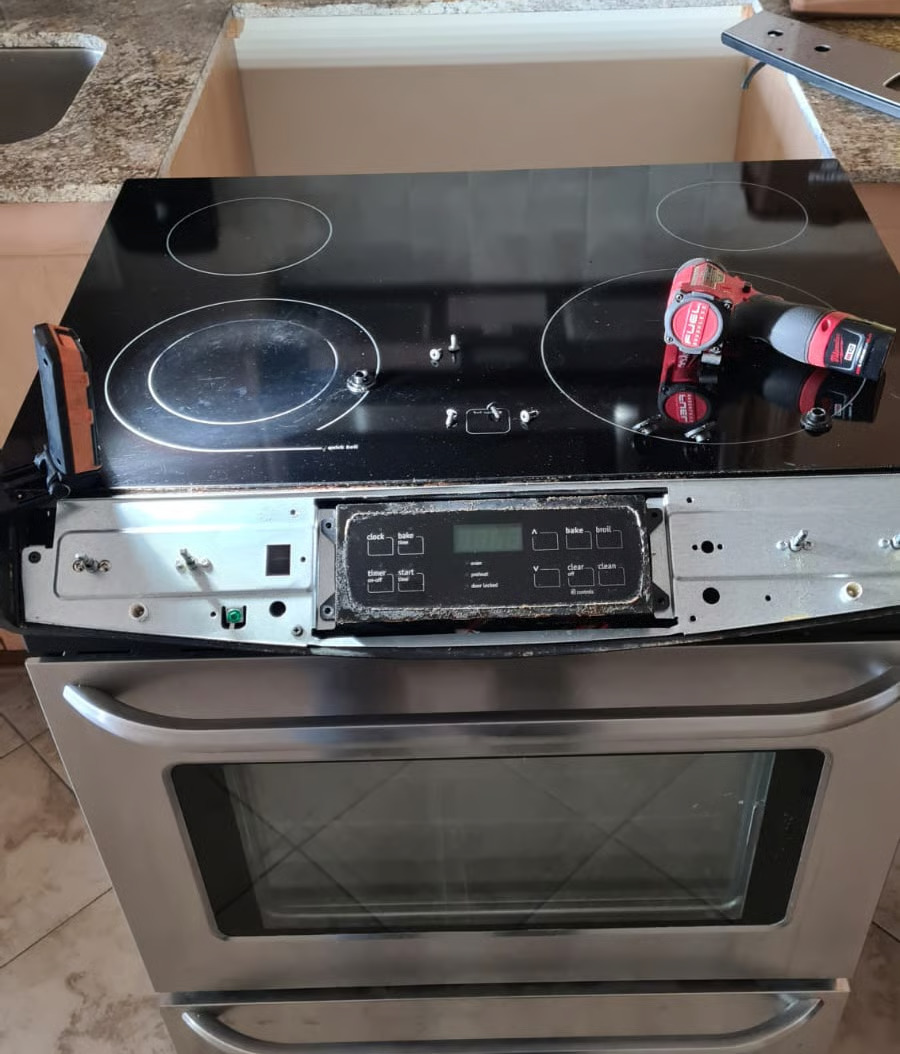
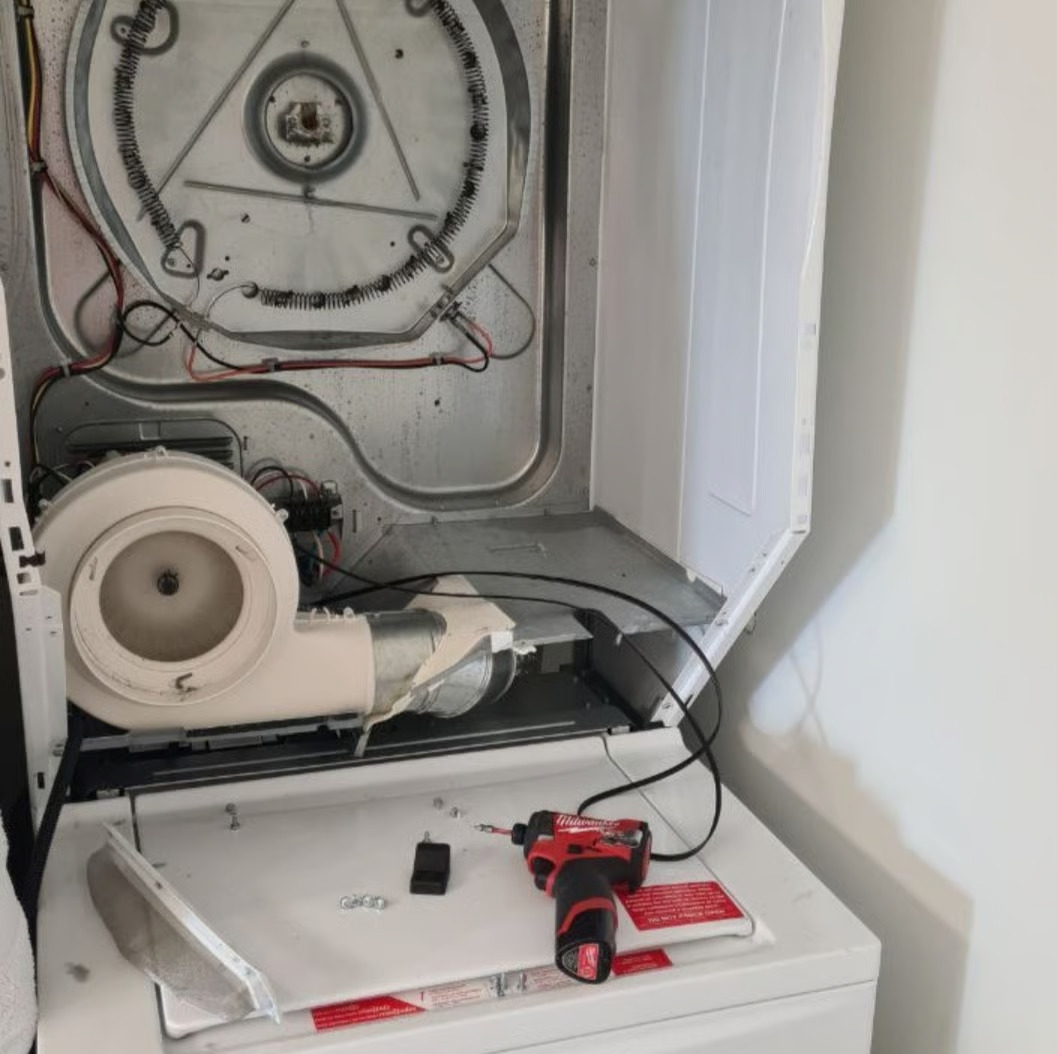
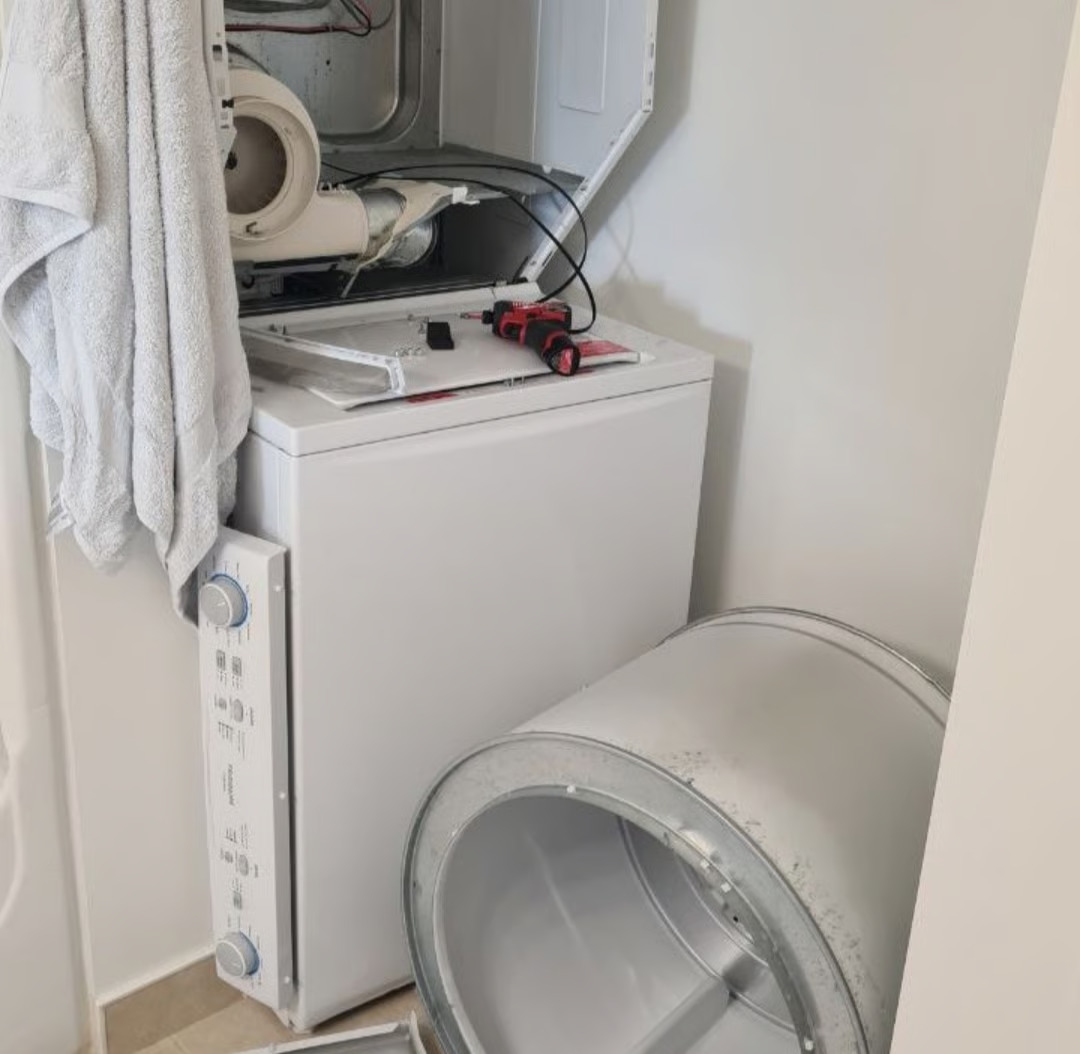
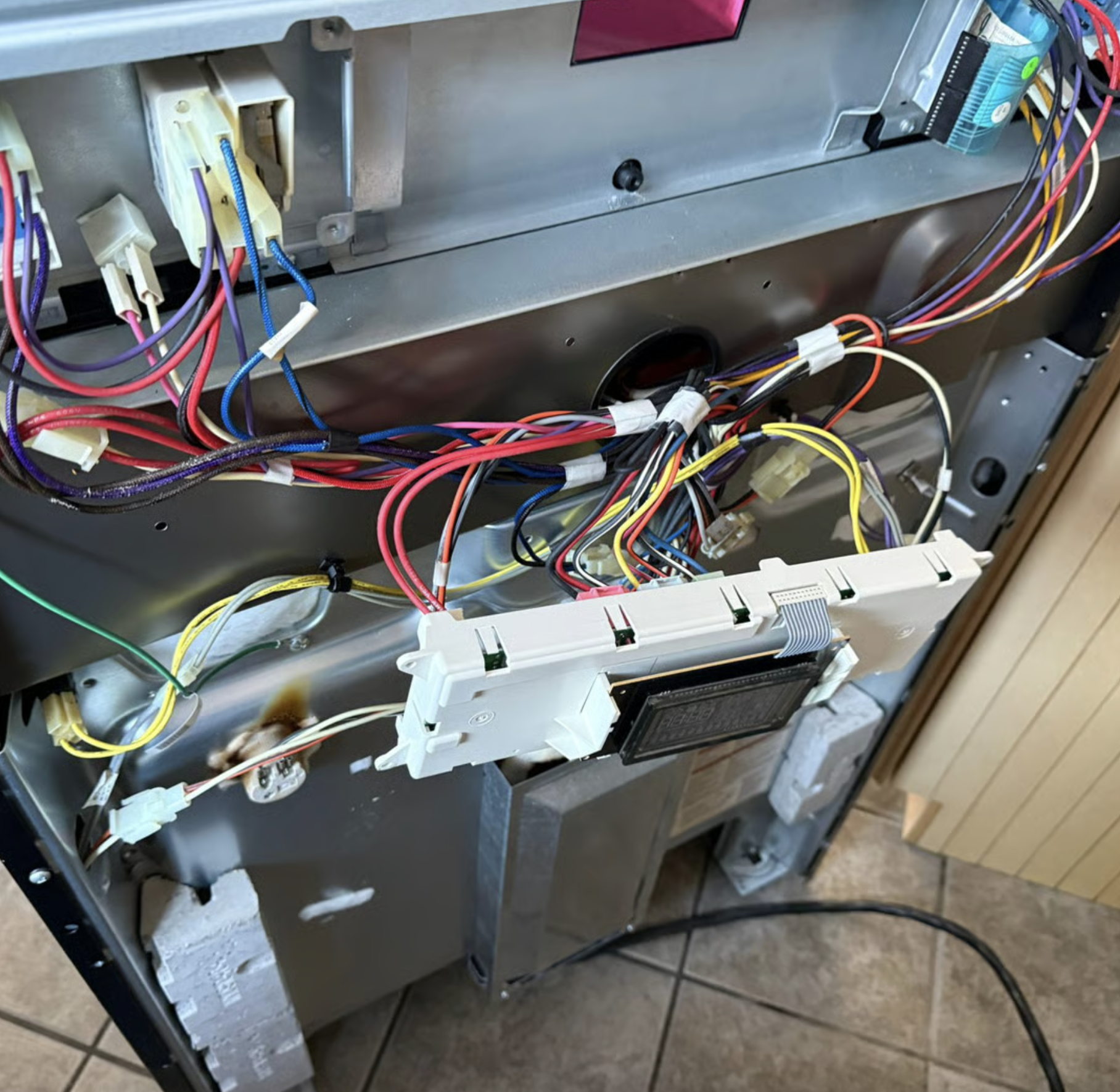
Our Work Speaks for Itself
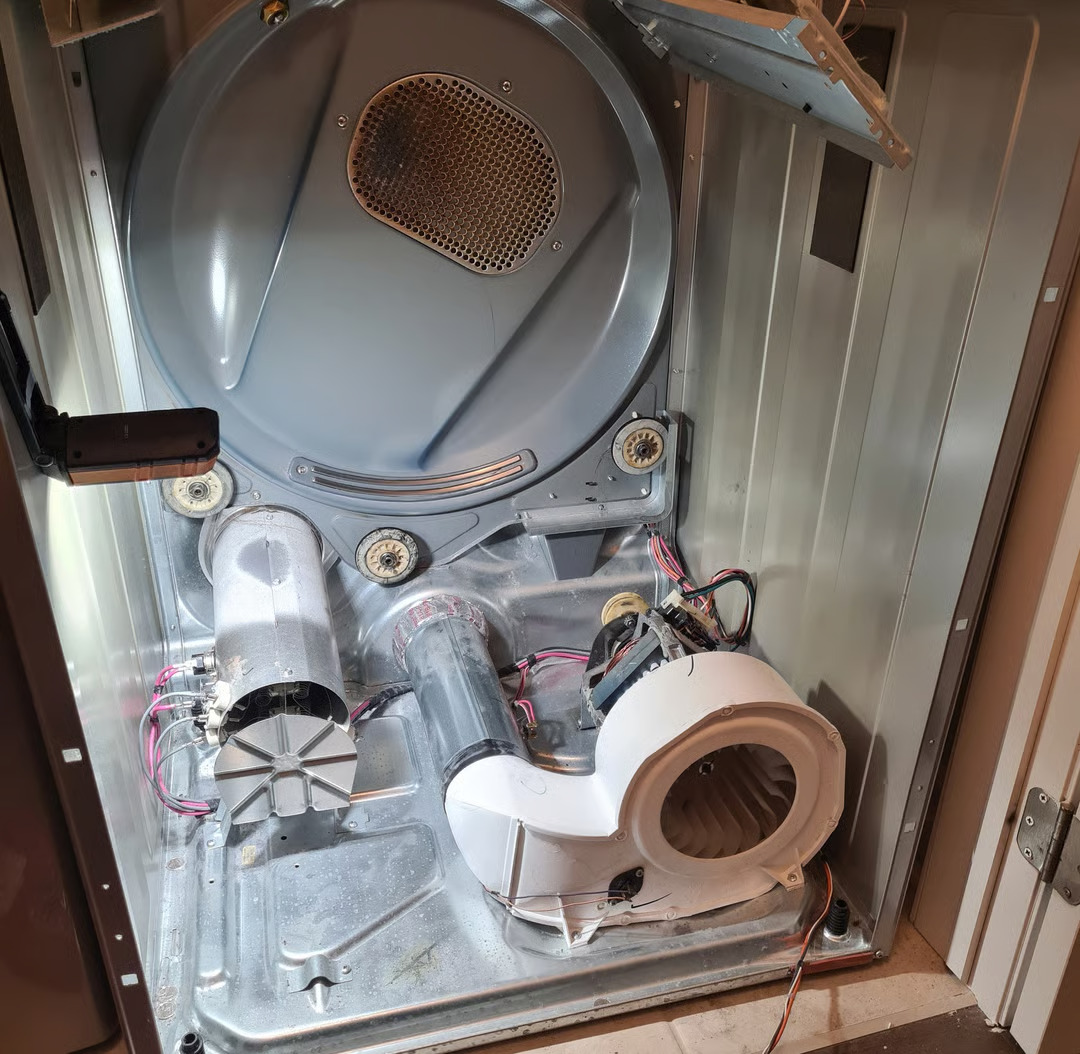
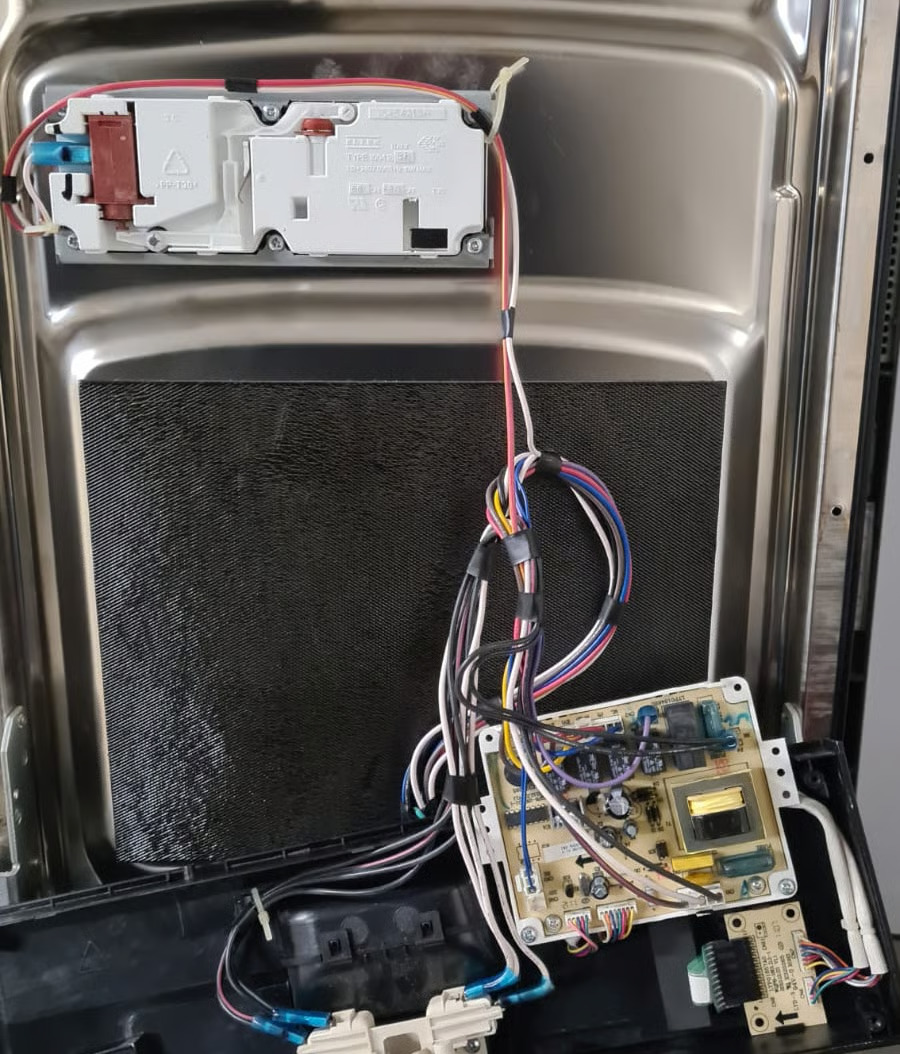
Real Repairs. Real Results.
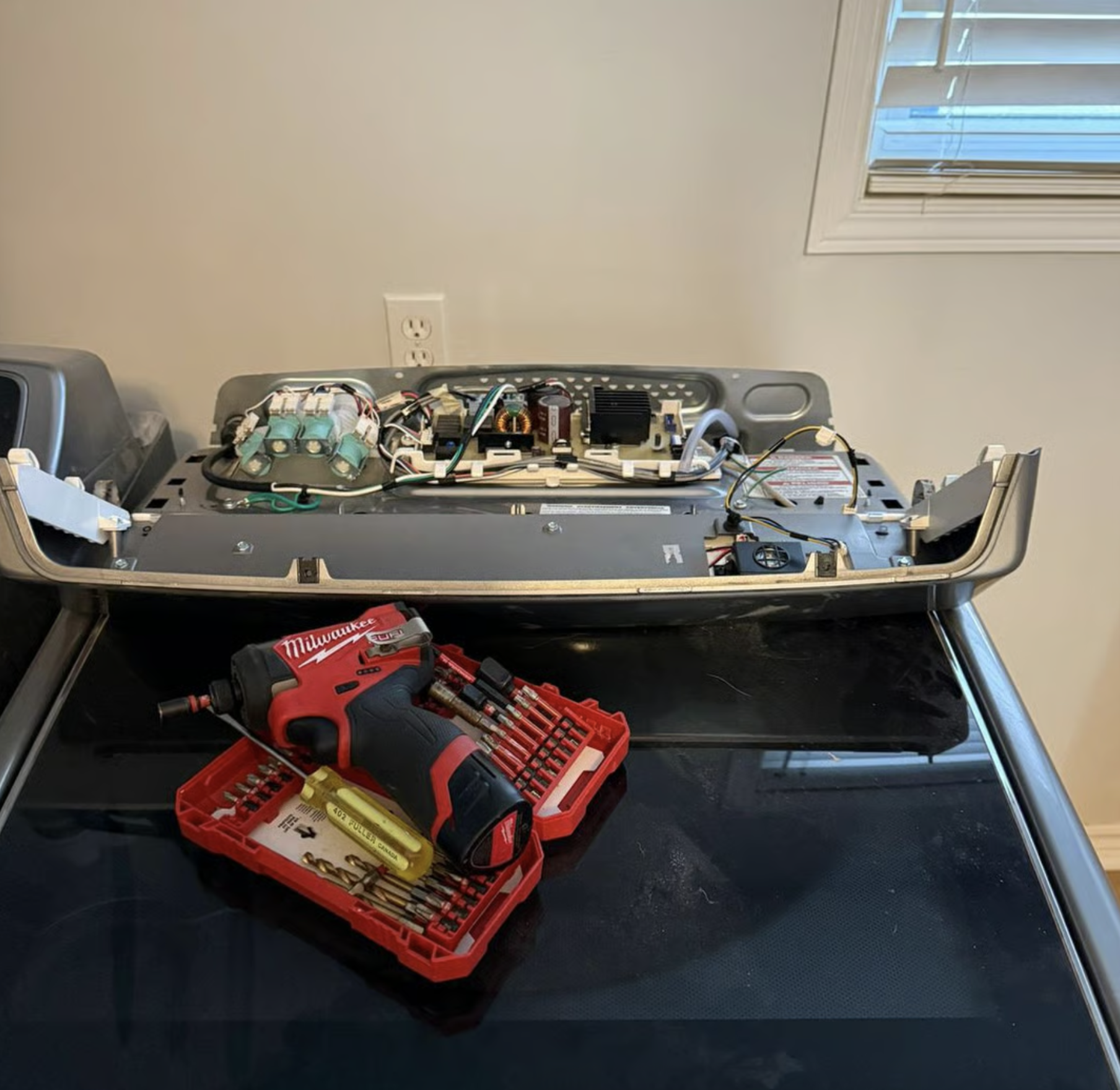
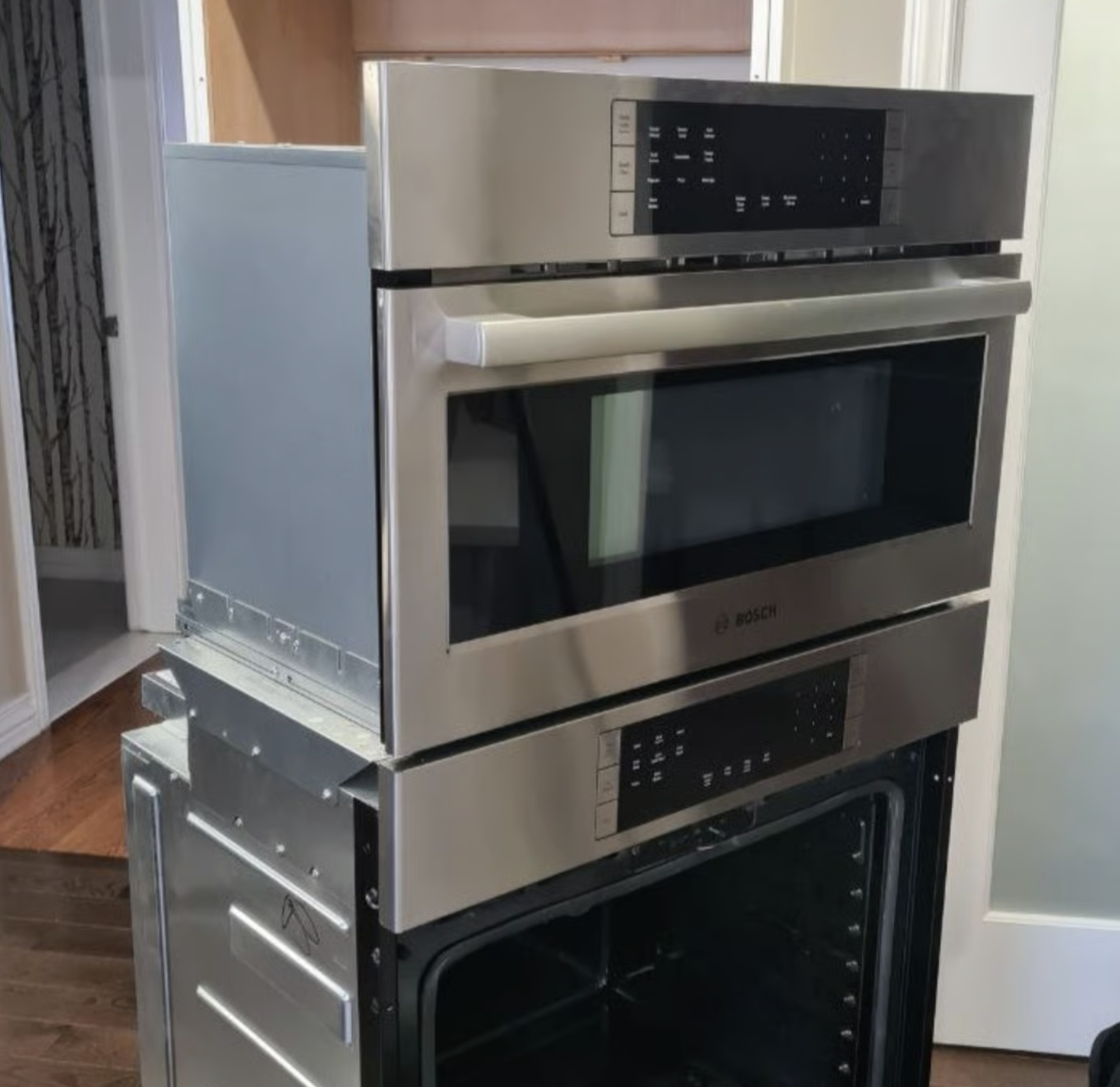
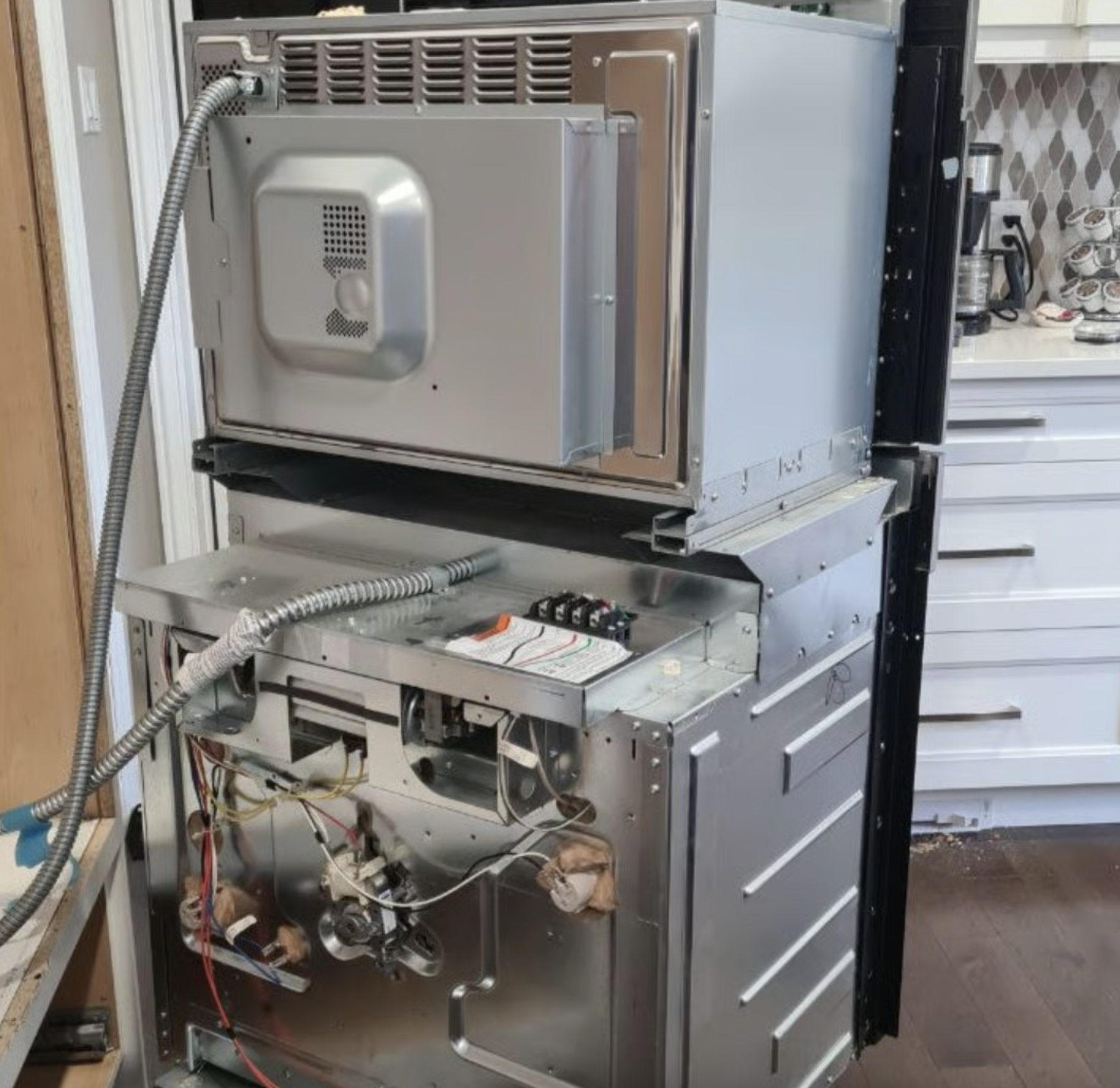
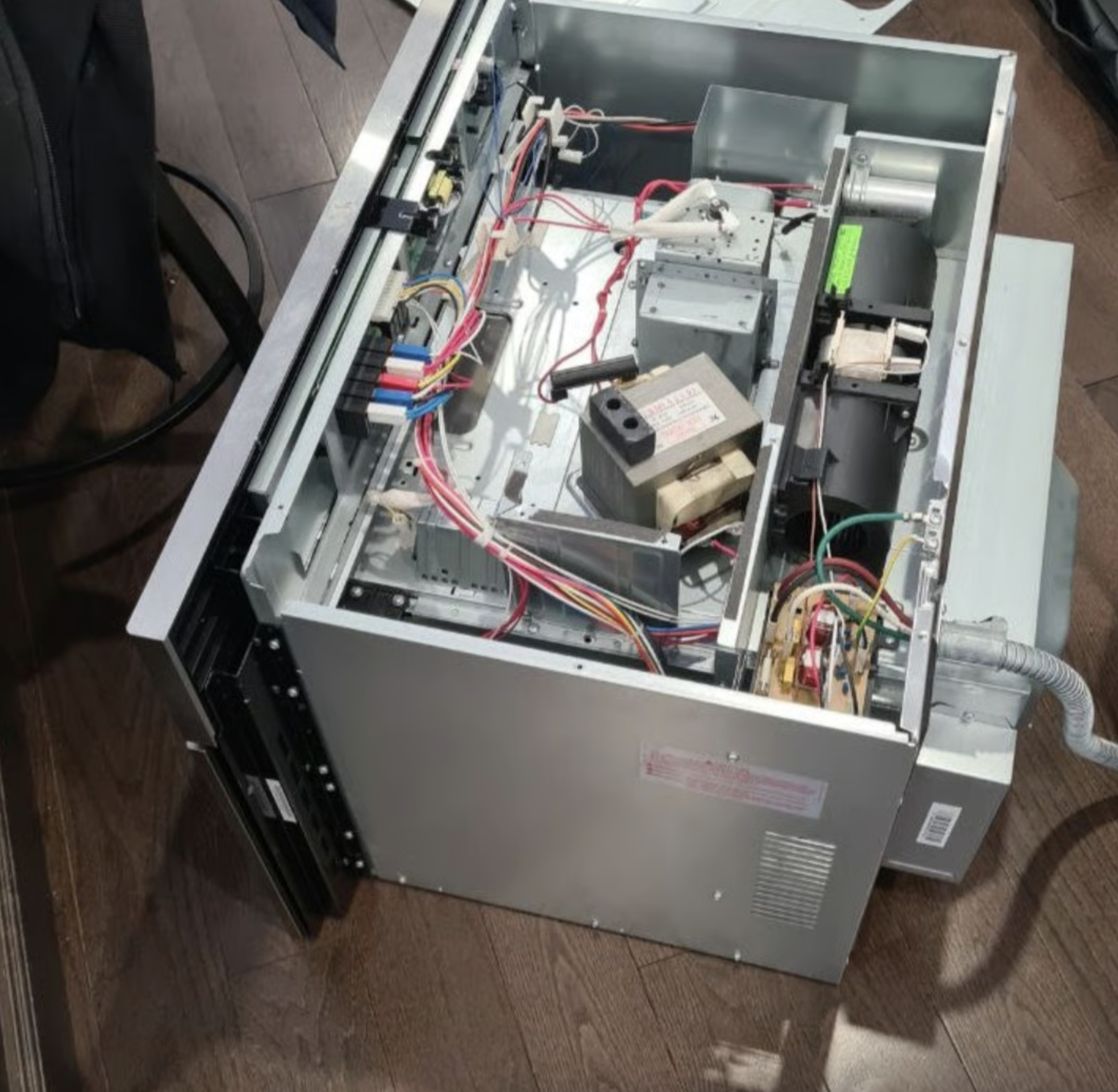
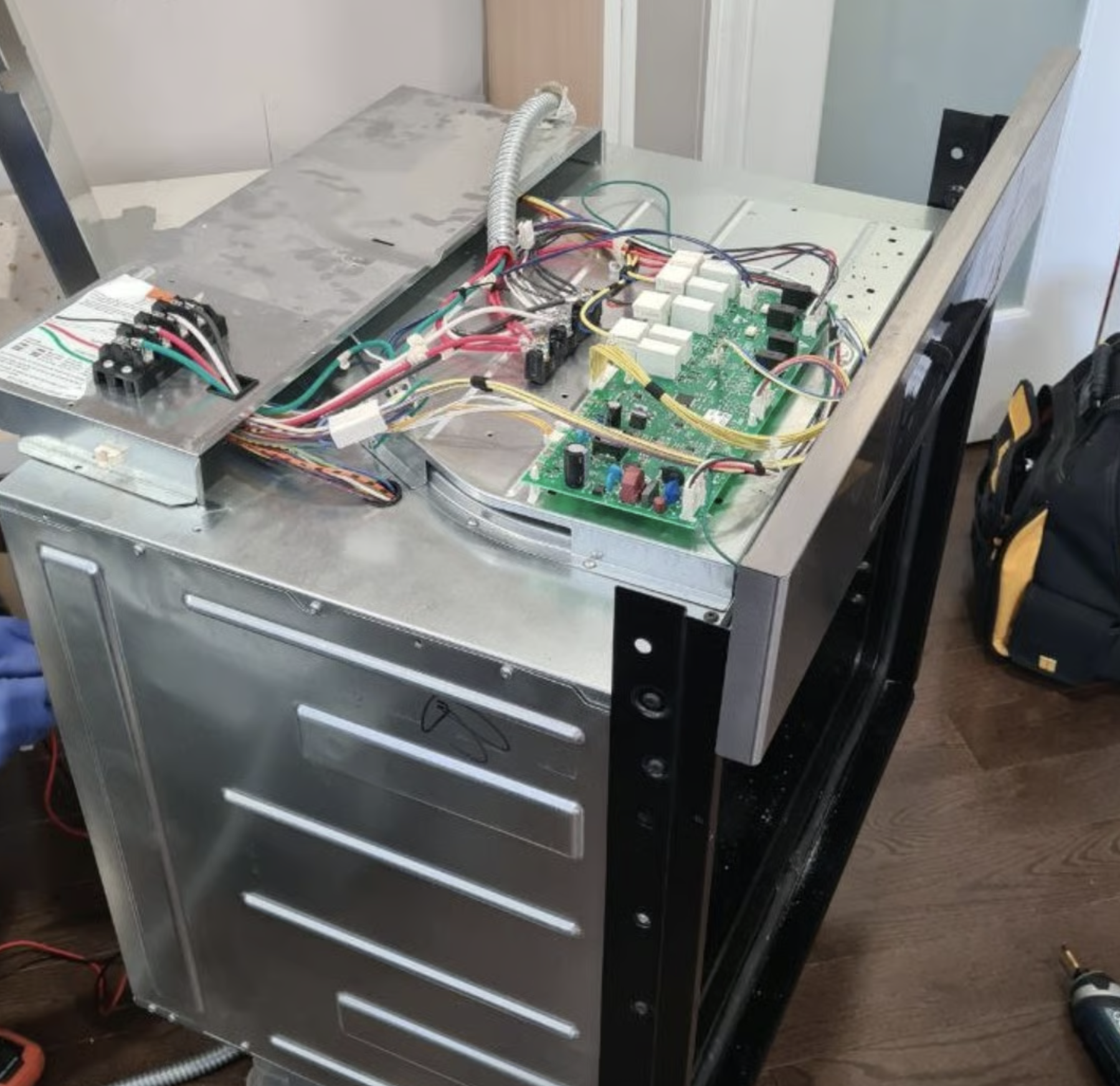
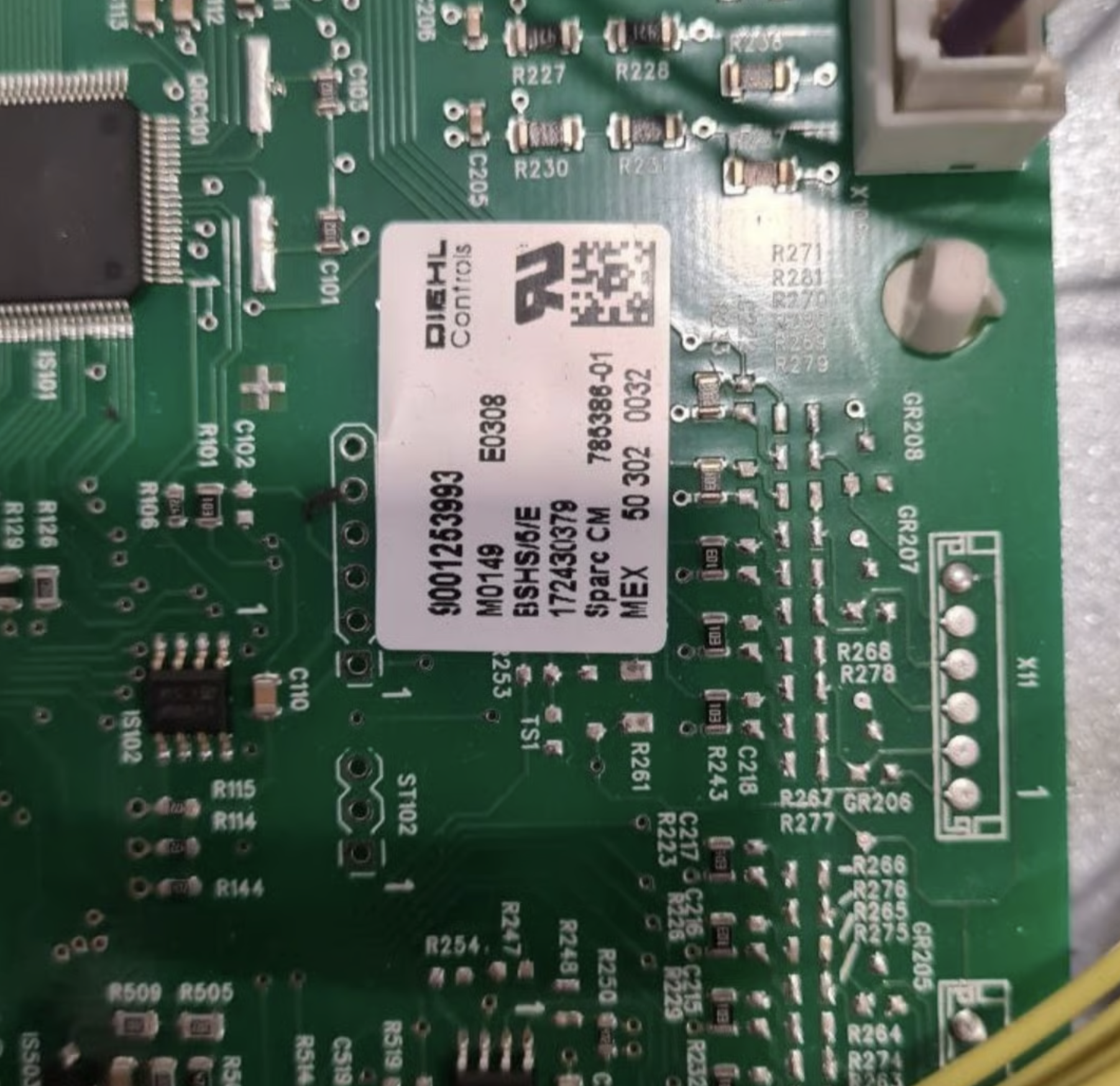
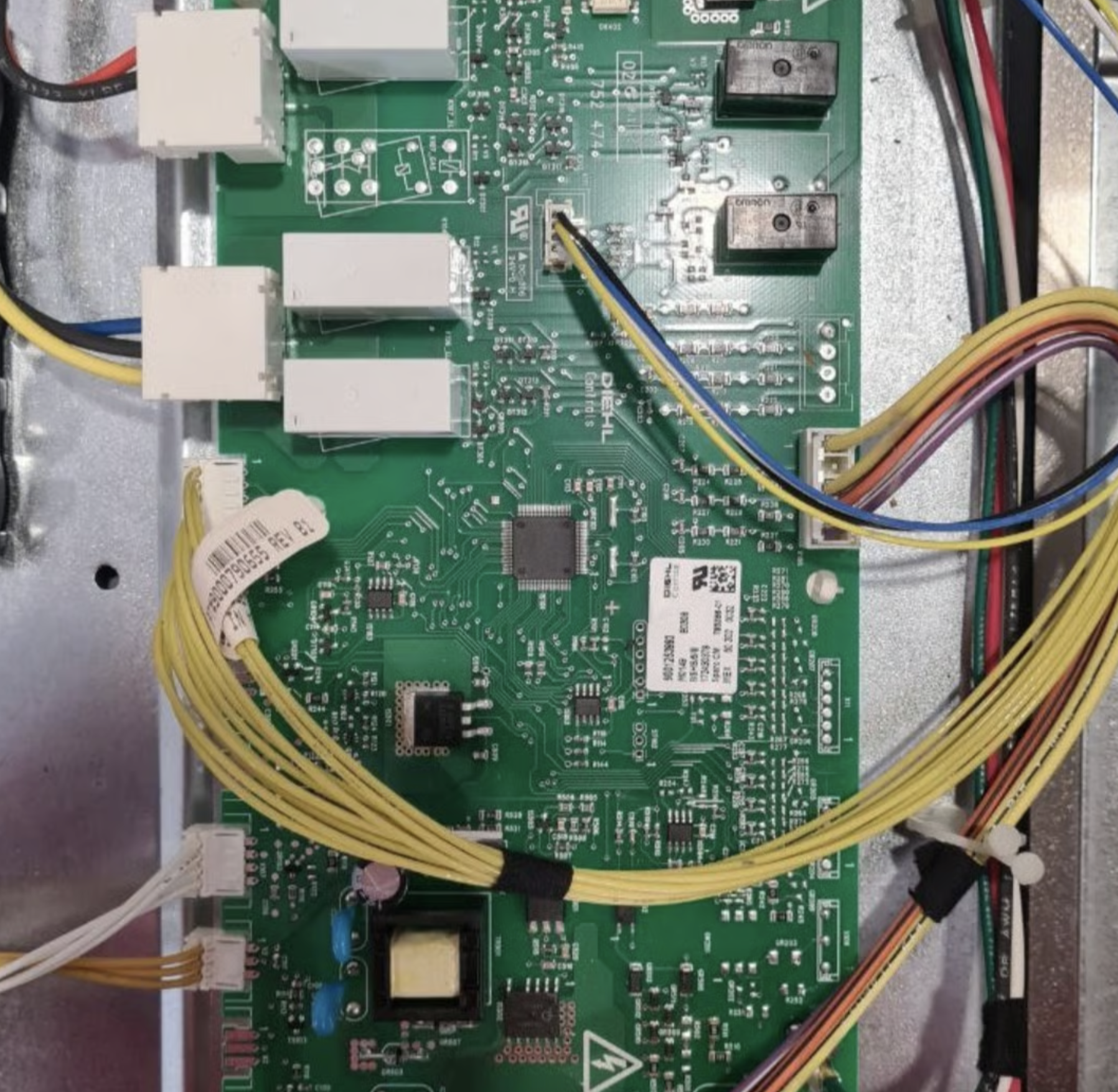
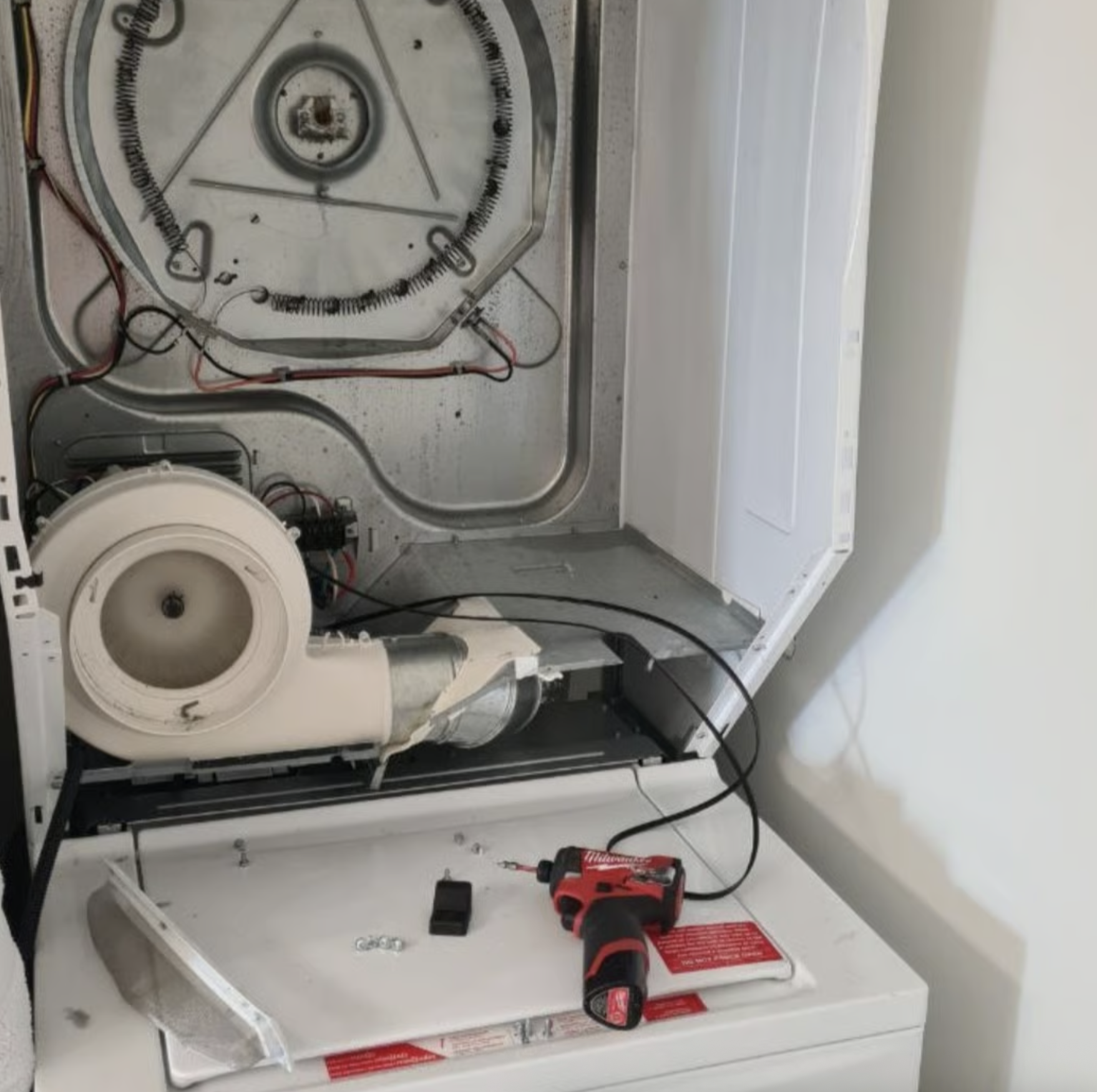
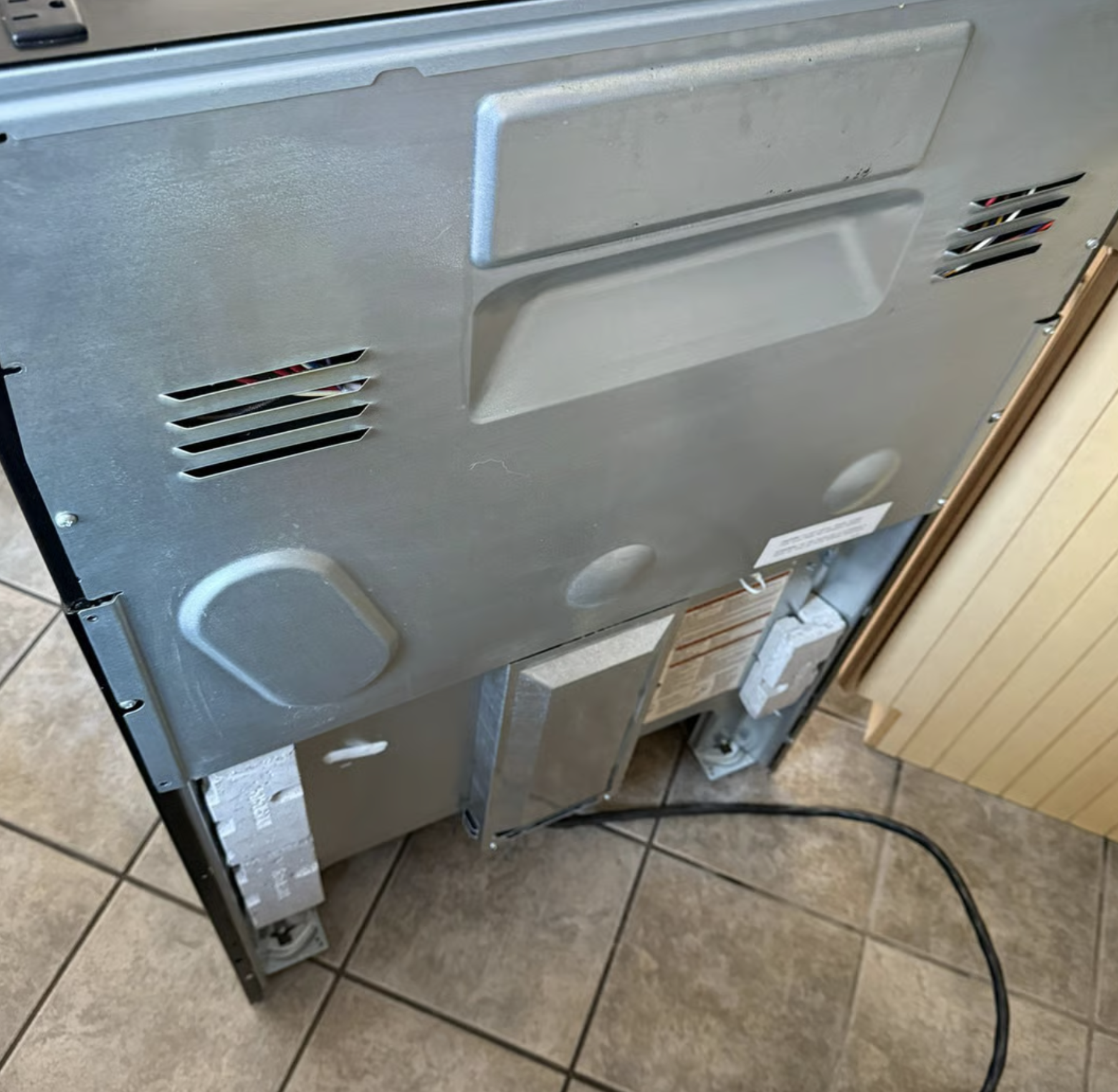
Every refrigerator repair begins with a professional diagnosis and ends with a fully tested appliance. From replacing evaporator fans and repairing damper systems to correcting airflow restrictions and diagnosing temperature control problems, YANFIX helps Ottawa homeowners restore proper refrigerator temperatures and prevent food spoilage.
You’ve Got Questions?
We’ve Got Answers!
Everything you need to know before you book.
Why is my refrigerator warm but the freezer is cold?
This is one of the most common refrigerator problems. The issue is often caused by a failed evaporator fan, blocked airflow, damper problems, frost buildup, or temperature control faults. Cold air is produced in the freezer and must be circulated into the refrigerator compartment..
Why is my refrigerator not cold enough?
A refrigerator may not cool properly because of airflow restrictions, dirty condenser coils, faulty temperature sensors, evaporator fan failures, control board issues, or refrigeration system problems. Professional diagnosis is often needed to determine the exact cause.
Can dirty condenser coils make a refrigerator warm?
Yes. Dirty condenser coils reduce the refrigerator’s ability to release heat efficiently. As cooling efficiency decreases, refrigerator temperatures can rise and food may begin spoiling faster than normal.
Can a bad evaporator fan cause a warm refrigerator?
Yes. The evaporator fan circulates cold air throughout the appliance. If the fan stops working properly, the refrigerator compartment often becomes warm while the freezer may continue operating normally.
Why does food spoil quickly in my refrigerator?
Food that spoils prematurely is often a sign that refrigerator temperatures are higher than recommended. Cooling system problems, airflow issues, sensor failures, and temperature regulation faults can all contribute to food spoilage.
Will lowering the temperature setting fix the problem?
Not always. If a component has failed, adjusting the temperature setting may have little effect. Problems involving sensors, fans, dampers, and electronic controls typically require diagnosis and repair rather than simple setting adjustments.
Is it worth repairing a refrigerator that is too warm?
In many cases, yes. Problems involving fans, dampers, thermistors, sensors, control boards, door gaskets, and airflow systems can often be repaired for significantly less than replacing the refrigerator.
Do you repair all refrigerator brands?
Yes. YANFIX repairs Samsung, LG, Whirlpool, KitchenAid, GE, Frigidaire, Maytag, Electrolux, Bosch, and most other major refrigerator brands commonly found in Ottawa homes.
Need Refrigerator Repair In Ottawa?
If your refrigerator is too warm, food is spoiling faster than normal, drinks are not staying cold, or temperatures are inconsistent, YANFIX can help.
Our technicians diagnose the source of the problem, explain your repair options, and restore reliable refrigerator cooling performance.
Book Your Refrigerator Repair Today
Call YANFIX or use the contact form below to schedule service.
Contact Information
- 18 Inwood Drive Kanata, Ontario, K2M 1Z5
- +1613913-30-23
- support@yanfix.com