Refrigerator
Ice Maker Not Working
in Ottawa?
No Ice, Slow Ice Production, Small Ice Cubes, Or Ice Maker Not Filling With Water? We’ll Find The Cause And Fix It Fast.
A refrigerator ice maker should produce a steady supply of ice without requiring constant attention. If the ice maker has stopped working completely, is producing very little ice, creating unusually small cubes, leaking water, or failing to fill properly, one or more components within the ice production system may have failed.
YANFIX provides professional refrigerator repair throughout Ottawa. We diagnose ice maker problems, identify the failed component, and restore reliable ice production on all major refrigerator brands.
Modern refrigerator ice makers rely on multiple systems working together. Water supply components, inlet valves, fill tubes, sensors, control boards, thermostats, and ice maker assemblies all play important roles in the ice production process. A failure in any of these systems can stop ice production or significantly reduce performance.
Some ice makers stop producing ice completely, while others create small cubes, take unusually long to fill the bin, leak water, or produce ice intermittently. Because several different failures can create similar symptoms, proper diagnosis is important before replacing parts.
YANFIX provides professional refrigerator ice maker repair throughout Ottawa. We diagnose the cause of the problem, explain repair options clearly, and restore reliable ice production as quickly as possible.
COMMON CAUSES OF AN ICE MAKER NOT WORKING
| Cause | Typical Symptom | Professional Repair Needed? |
|---|---|---|
| Faulty Water Inlet Valve | No water entering ice maker | Yes |
| Frozen Fill Tube | Ice maker not filling properly | Yes |
| Ice Maker Assembly Failure | No ice production | Yes |
| Low Water Pressure | Small or incomplete ice cubes | Sometimes |
| Defective Ice Maker Motor | Ice not ejecting | Yes |
| Temperature Problem | Slow or no ice production | Yes |
| Control Board Failure | Intermittent operation | Yes |
| Sensor Failure | Incorrect ice maker operation | Yes |
COMPONENTS THAT CAN CAUSE ICE MAKER PROBLEMS
| Component | Applies To | What Fails |
|---|---|---|
| Water Inlet Valve | Most ice maker refrigerators | Fails to deliver water |
| Fill Tube | Most ice maker refrigerators | Freezes or becomes blocked |
| Ice Maker Assembly | All ice maker models | Stops producing ice |
| Ice Maker Motor | Many models | Fails to eject ice |
| Thermistor | Electronic models | Incorrect temperature readings |
| Control Board | Electronic models | Operational failures |
| Water Filter | Filtered water models | Restricted water flow |
| Ice Level Sensor | Advanced ice maker systems | False full-bin detection |
WHY YOUR REFRIGERATOR ICE MAKER IS NOT WORKING
Faulty Water Inlet Valve
The water inlet valve controls the flow of water into the ice maker. When the valve becomes restricted, electrically defective, or mechanically worn, the ice maker may stop receiving enough water to produce ice. In some cases, the valve may work intermittently, causing inconsistent ice production and making the problem appear random.
Frozen Fill Tube
The fill tube delivers water from the inlet valve to the ice maker assembly. If the tube freezes, water can no longer reach the ice maker properly. This often results in no ice production at all, even though the rest of the refrigerator appears to operate normally. Frozen fill tubes are commonly associated with valve problems and temperature issues.
Ice Maker Assembly Failure
The ice maker assembly contains multiple mechanical and electrical components that work together to produce and eject ice. As these components wear over time, the entire assembly may stop functioning correctly. The ice maker may stop cycling, stop harvesting ice, or fail to initiate new ice production cycles.
Low Water Pressure
Ice makers require adequate water pressure to fill correctly. If water pressure is too low, the ice maker may produce small cubes, hollow cubes, incomplete batches, or no ice at all. Water supply restrictions, plumbing issues, clogged filters, and failing inlet valves can all contribute to insufficient water flow.
Defective Ice Maker Motor
Many ice makers use a motor to rotate components and eject finished ice cubes. When the motor begins to fail, ice may remain trapped inside the mold instead of being released into the storage bin. Homeowners often notice that ice is present inside the mold but never reaches the collection bucket.
Refrigerator Temperature Problems
Ice makers depend on specific freezer temperatures to operate correctly. If the freezer is not cold enough, the ice maker may slow down significantly or stop working entirely. Problems involving evaporator fans, thermistors, airflow restrictions, compressors, and cooling systems can all affect ice production performance.
Clogged Water Filter
A restricted water filter can reduce the amount of water reaching the ice maker. As water flow decreases, ice production may become slower and ice cubes may become smaller than normal. In severe cases, the ice maker may stop receiving enough water to operate properly.
Ice Level Sensor Failure
Many modern refrigerators use sensors to determine when the ice bin is full. If the sensor malfunctions, the refrigerator may incorrectly assume the bin is already full and stop producing ice. This type of problem can be difficult to identify because the ice maker itself may still be fully functional.
Control Board Problems
The control board coordinates many refrigerator functions, including ice production. If the board develops faults, communication problems may occur between sensors, valves, motors, and the ice maker assembly. This can lead to intermittent operation, inconsistent ice production, or complete ice maker failure.
Ice Maker Mold Damage
The ice mold is responsible for forming and releasing ice cubes. Cracks, wear, mineral buildup, and physical damage can interfere with normal ice production. Damaged molds may cause irregular cube shapes, difficulty ejecting ice, water leaks, or reduced overall performance.
Electrical Connection Failures
Loose wiring, damaged connectors, and electrical supply problems can prevent the ice maker from operating correctly. Intermittent electrical faults often create unpredictable symptoms, making diagnosis challenging without proper testing of the refrigerator’s electrical systems.
Multiple Components Failing Simultaneously
Older refrigerators may develop several minor issues at the same time. A partially restricted filter, weakening inlet valve, and aging ice maker assembly can combine to create significant ice production problems. Professional diagnosis helps identify all contributing factors rather than replacing individual parts through trial and error.
SIGNS YOUR ICE MAKER MAY REQUIRE REPAIR
The Ice Maker Has Stopped Producing Ice Completely
One of the most obvious signs of an ice maker problem is a complete lack of ice production. The refrigerator may continue cooling normally while the ice maker remains inactive. This symptom can be caused by a faulty water inlet valve, frozen fill tube, failed ice maker assembly, control board issues, or electrical problems within the ice production system.
Ice Production Has Become Very Slow
If the ice maker still works but produces significantly less ice than before, the system may be experiencing a developing problem. Restricted water flow, temperature issues, failing components, and sensor problems can all reduce production rates. Gradually decreasing ice output is often an early warning sign of a component beginning to fail.
Ice Cubes Are Smaller Than Normal
Small or partially formed ice cubes often indicate insufficient water entering the ice maker. Low water pressure, clogged filters, restricted water lines, and failing inlet valves are common causes. Although the ice maker may continue operating, cube quality and production volume typically decline as the problem worsens.
Ice Cubes Are Hollow Or Incomplete
Hollow, thin, or partially formed cubes usually indicate that the mold is not receiving enough water during fill cycles. This symptom often develops before complete ice maker failure and may point to water supply restrictions, valve problems, filter issues, or low incoming water pressure.
The Ice Maker Is Making Noise But Not Producing Ice
An ice maker that clicks, hums, or cycles normally without producing ice may have a frozen fill tube, water supply problem, failed inlet valve, or defective internal component. The system may be attempting to operate correctly but is unable to complete the ice production process.
Ice Is Stuck Inside The Mold
If ice cubes remain trapped inside the mold and never reach the storage bin, the harvesting system may not be functioning properly. Failed motors, damaged ejector mechanisms, worn gears, and control problems can prevent the ice maker from completing normal ice release cycles
Water Is Leaking Around The Ice Maker
Leaks near the ice maker often indicate fill tube problems, excessive water flow, damaged molds, faulty valves, or internal ice maker failures. Water leaks should be addressed promptly because they can lead to ice buildup, freezer damage, and additional refrigerator problems.
Ice Production Stops Intermittently
Some ice makers work normally for several days before suddenly stopping and then starting again later. Intermittent operation often points to electrical faults, sensor failures, control board issues, temperature fluctuations, or components that are beginning to fail but have not completely stopped working.
The Ice Bin Remains Empty Despite Normal Operation
If the refrigerator appears to be cooling correctly but the ice storage bin remains empty, the problem may involve the ice maker system specifically rather than the refrigerator itself. Water delivery issues, sensor failures, and mechanical problems are among the most common causes.
Ice Quality Has Become Poor
Changes in cube size, shape, consistency, or clarity can indicate developing issues within the ice maker system. Water supply problems, filtration issues, temperature fluctuations, and component wear can all affect the quality of the ice being produced.
The Ice Maker Suddenly Stops After Years Of Operation
Many ice makers operate reliably for years before suddenly developing problems. A system that stops working unexpectedly may have reached the end of a component’s service life. Common failures include motors, valves, sensors, control boards, and complete ice maker assemblies.
The Problem Continues To Get Worse
Most ice maker problems begin with small changes in performance before progressing to complete failure. Reduced production, smaller cubes, intermittent operation, and unusual behavior often become more severe over time. Early diagnosis can help identify the root cause before additional components are affected.
Why Choose Yanfix
We make appliance repair easy, fast, and reliable
Forget long waits, hidden fees, and sloppy work. At Yanfix, we treat your time and home with respect — delivering expert service you can count on.
Accurate Ice Maker Diagnostics
Ice maker problems can be caused by water inlet valves, fill tubes, sensors, motors, control boards, filters, and complete ice maker assemblies. Because multiple failures can create similar symptoms, replacing parts without testing often wastes time and money. YANFIX performs complete diagnostics to identify the actual cause before recommending repairs.
Ice Maker And Water System Specialists
Modern ice makers depend on proper water flow, pressure, temperature, and electronic controls. We diagnose problems involving water supply lines, inlet valves, fill tubes, filtration systems, and ice maker components to restore reliable ice production and prevent recurring failures.
Experience With All Major Refrigerator Brands
Different manufacturers use different ice maker designs, sensors, control systems, and water delivery components. We repair Samsung, LG, Whirlpool, KitchenAid, GE, Frigidaire, Maytag, Electrolux, Bosch, and many other refrigerator brands commonly found in Ottawa homes.
Refrigerator Ice Production Repair Experts
Whether the ice maker has stopped producing ice completely, is making very little ice, creating small cubes, leaking water, or operating intermittently, we diagnose the root cause and perform repairs designed to restore consistent and reliable ice production.
What You Can Check Before Calling For Service
Verify The Ice Maker Is Turned On
Some refrigerators include a physical switch, control panel setting, or shutoff arm that can disable ice production. Before assuming a failure has occurred, verify that the ice maker has not been accidentally turned off. This simple check can save unnecessary troubleshooting and is one of the first things to inspect when ice production stops.
Check Whether The Freezer Is Cold Enough
Ice makers require proper freezer temperatures to operate correctly. If the freezer is warmer than normal, ice production may slow dramatically or stop completely. Temperature problems caused by airflow restrictions, cooling system issues, or failing components can directly affect the ice maker’s ability to produce ice.
Inspect The Ice Storage Bin
A jammed ice cube, misaligned bin, or obstruction inside the storage area can interfere with normal operation. Carefully inspect the bin and remove any visible ice clumps or obstructions that may prevent the system from harvesting and storing new ice properly.
Check The Water Filter
A clogged water filter can reduce water flow to the ice maker and affect ice production. If the filter has not been replaced according to the manufacturer’s recommendations, restricted flow may be contributing to the problem. Reduced water flow often leads to smaller cubes and slower production.
Verify Water Supply To The Refrigerator
If the refrigerator uses a water dispenser, verify whether the dispenser is still functioning normally. Weak flow or no water delivery may indicate a supply issue affecting both the dispenser and ice maker systems. Water supply problems are among the most common causes of ice production failures.
Look For A Frozen Fill Tube
The fill tube delivers water into the ice maker. If it freezes, water cannot enter the system properly. Visible ice buildup around the fill area may indicate a frozen tube, although the underlying cause often involves a water valve or temperature-related problem.
Listen For Ice Maker Activity
Pay attention to whether the ice maker is attempting to operate. Clicking, humming, or cycling sounds can indicate that the system is trying to function but is unable to complete the process. These observations can provide useful information during diagnosis.
Check For Visible Water Leaks
Water around the ice maker area may indicate fill tube problems, excessive water flow, valve issues, or internal component failures. Leaks often occur before complete ice maker failure and should be investigated promptly to prevent additional damage.
Monitor Ice Production Over Several Days
Some problems develop gradually. Compare current ice production to normal output over several days. Reduced production, inconsistent operation, or worsening performance often indicate a component beginning to fail rather than a temporary issue.
Inspect Ice Cube Quality
Changes in cube size, shape, and consistency can provide important clues. Small cubes, hollow cubes, and incomplete cubes frequently indicate water flow problems, pressure issues, or developing component failures within the ice maker system.
Check For Error Messages Or Indicators
Many modern refrigerators display error codes, warning lights, or notifications when certain systems malfunction. Review the control panel for any indicators that may point toward a water supply, sensor, or ice maker-related problem.
Schedule Professional Diagnosis If The Problem Persists
If basic checks do not restore normal operation, professional diagnosis is often the fastest way to identify the cause. Ice maker systems contain multiple interconnected components, and accurate testing helps prevent unnecessary part replacement while restoring reliable ice production.
HOW YANFIX FIXES AN ICE MAKER THAT IS NOT WORKING
Step 1 — Verify The Reported Problem
We begin by confirming exactly how the ice maker is failing. Some systems stop producing ice completely, while others create small cubes, produce ice very slowly, leak water, or operate intermittently. Understanding the specific symptoms helps narrow down the possible causes before testing begins.
Step 2 — Check Freezer Temperature
Proper freezer temperature is essential for ice production. We verify that the freezer is operating within the temperature range required by the manufacturer. Temperature-related issues often affect ice production long before homeowners notice cooling problems elsewhere in the refrigerator.
Step 3 — Inspect The Water Supply System
The water supply line, shutoff valve, and related connections are inspected for restrictions, damage, leaks, and flow issues. Reduced water flow is one of the most common reasons ice makers stop producing normal quantities of ice.
Step 4 — Test The Water Inlet Valve
The inlet valve controls water delivery to the ice maker. We test valve operation, water flow, electrical performance, and response during fill cycles. A faulty valve may prevent water from reaching the ice maker or deliver an insufficient amount.
Step 5 — Inspect The Fill Tube
The fill tube is checked for ice buildup, blockages, restrictions, and improper water flow. Frozen fill tubes are a common cause of ice makers that stop working even though the rest of the refrigerator appears to function normally.
Step 6 — Diagnose The Ice Maker Assembly
The ice maker assembly contains motors, gears, switches, and mechanical components responsible for producing and harvesting ice. We inspect the complete assembly for wear, damage, electrical faults, and operational failures.
Step 7 — Test Sensors And Ice Level Controls
Modern refrigerators use sensors to monitor ice levels and control production cycles. We test thermistors, ice level sensors, and related components to ensure the system is receiving accurate information and operating correctly.
Step 8 — Evaluate Electronic Controls
Control boards and electronic systems coordinate communication between the ice maker, water valve, sensors, and cooling system. We inspect these components for faults that may interrupt normal ice production.
Step 9 — Repair Or Replace The Failed Component
Once the source of the problem has been identified, the failed component is repaired or replaced. Depending on the diagnosis, this may involve the water valve, fill tube, sensor, motor, control board, filter system, or complete ice maker assembly.
Step 10 — Test Ice Production And Verify Operation
After repairs are completed, the ice maker is tested through normal operating cycles. We verify water flow, ice production, harvesting, sensor operation, and overall performance to ensure reliable ice production has been restored.
REFRIGERATOR BRANDS WE SERVICE IN OTTAWA
Samsung Ice Maker Repair
Samsung ice makers may stop producing ice due to frozen fill tubes, faulty water inlet valves, defective ice maker assemblies, sensor failures, and control board issues. We diagnose the exact cause of the problem and restore reliable ice production.
LG Ice Maker Repair
LG refrigerators use advanced ice maker systems that depend on proper water flow, temperature control, sensors, and electronic communication. Common problems include slow ice production, no ice production, frozen fill tubes, and defective ice maker components.
Whirlpool Ice Maker Repair
Whirlpool ice makers may stop working because of water valve failures, blocked fill tubes, sensor problems, temperature issues, or mechanical wear within the ice maker assembly. We perform complete diagnostics to identify the source of the failure.
KitchenAid Ice Maker Repair
KitchenAid refrigerators rely on multiple components to produce and harvest ice correctly. Problems involving water delivery, sensors, motors, and electronic controls can interrupt normal operation and reduce ice production.
GE Ice Maker Repair
GE ice makers may experience problems with water flow, temperature regulation, harvesting mechanisms, sensors, and control systems. We diagnose no-ice conditions, slow production, and intermittent ice maker failures on all major GE refrigerator models.
Frigidaire Ice Maker Repair
Frigidaire refrigerators commonly develop ice maker issues caused by inlet valve failures, blocked water systems, defective ice maker assemblies, and temperature-related problems. We identify the failed component and restore reliable operation.
Maytag Ice Maker Repair
Maytag ice makers may stop working due to frozen fill tubes, restricted water flow, worn motors, sensor failures, and control board issues. Our technicians diagnose the exact cause and recommend the appropriate repair solution.
Electrolux Ice Maker Repair
Electrolux refrigerators use advanced ice production systems that depend on accurate temperature control and proper water delivery. We repair ice maker problems involving sensors, valves, motors, and electronic controls.
Bosch Ice Maker Repair
Bosch ice makers may stop producing ice because of water supply problems, valve failures, sensor faults, control issues, or mechanical wear within the ice maker assembly. We diagnose and repair these problems to restore consistent ice production.
ICE MAKER REPAIR COST IN OTTAWA
| Repair Type | Typical Problem | Estimated Cost |
|---|---|---|
| Ice Maker Diagnosis | Unknown ice production problem | $80–$180 |
| Water Inlet Valve Repair | No water reaching ice maker | $80–$350 |
| Fill Tube Service | Frozen or blocked fill tube | $80–$250 |
| Ice Maker Motor Repair | Ice not ejecting properly | $80–$400 |
| Ice Maker Assembly Replacement | Complete ice maker failure | $80–$650 |
| Sensor Replacement | Incorrect ice maker operation | $80–$300 |
| Control Board Repair | Electronic ice maker problems | $80–$600 |
| Water Filter System Repair | Restricted water flow | $80–$250 |
Repair costs vary depending on the refrigerator brand, failed component, labour required, and replacement parts. A professional diagnosis is required before an accurate repair estimate can be provided.
CUSTOMER REVIEWS
Ice Maker Working Again
“Our refrigerator stopped making ice completely. YANFIX found a faulty water inlet valve and repaired it quickly. Ice production returned to normal within a short time.”
— Jason P., Findlay Creek
★★★★★
Solved A Frozen Fill Tube Problem
“Our LG refrigerator had stopped making ice and we couldn’t figure out why. Yan diagnosed a frozen fill tube and corrected the underlying issue. Excellent service.”
— Stephanie L., Beacon Hill
★★★★★
Professional Ice Maker Diagnosis
“The ice maker was producing only a few cubes each day. YANFIX identified a water flow problem and repaired it. The ice bin is finally filling properly again.”
— Robert H., Elmvale Acres
★★★★★
Refrigerator Repair Service Areas
We provide Refrigerator repair throughout Ottawa and nearby communities. Our technicians travel across the city every day, offering same-day Refrigerator repair for all major brands and models. Select your area below to learn more about Refrigerator repair services available in your neighbourhood.







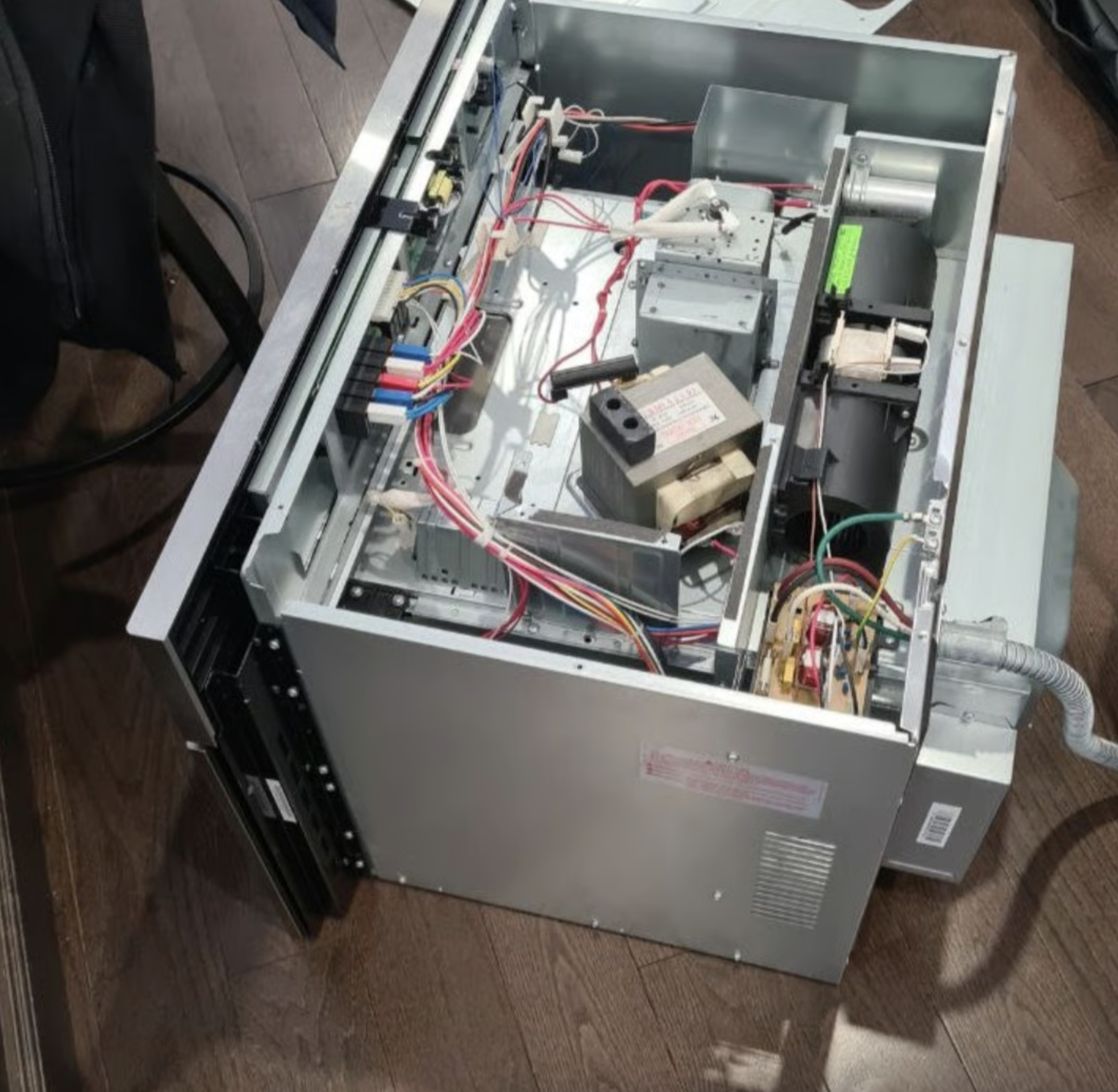
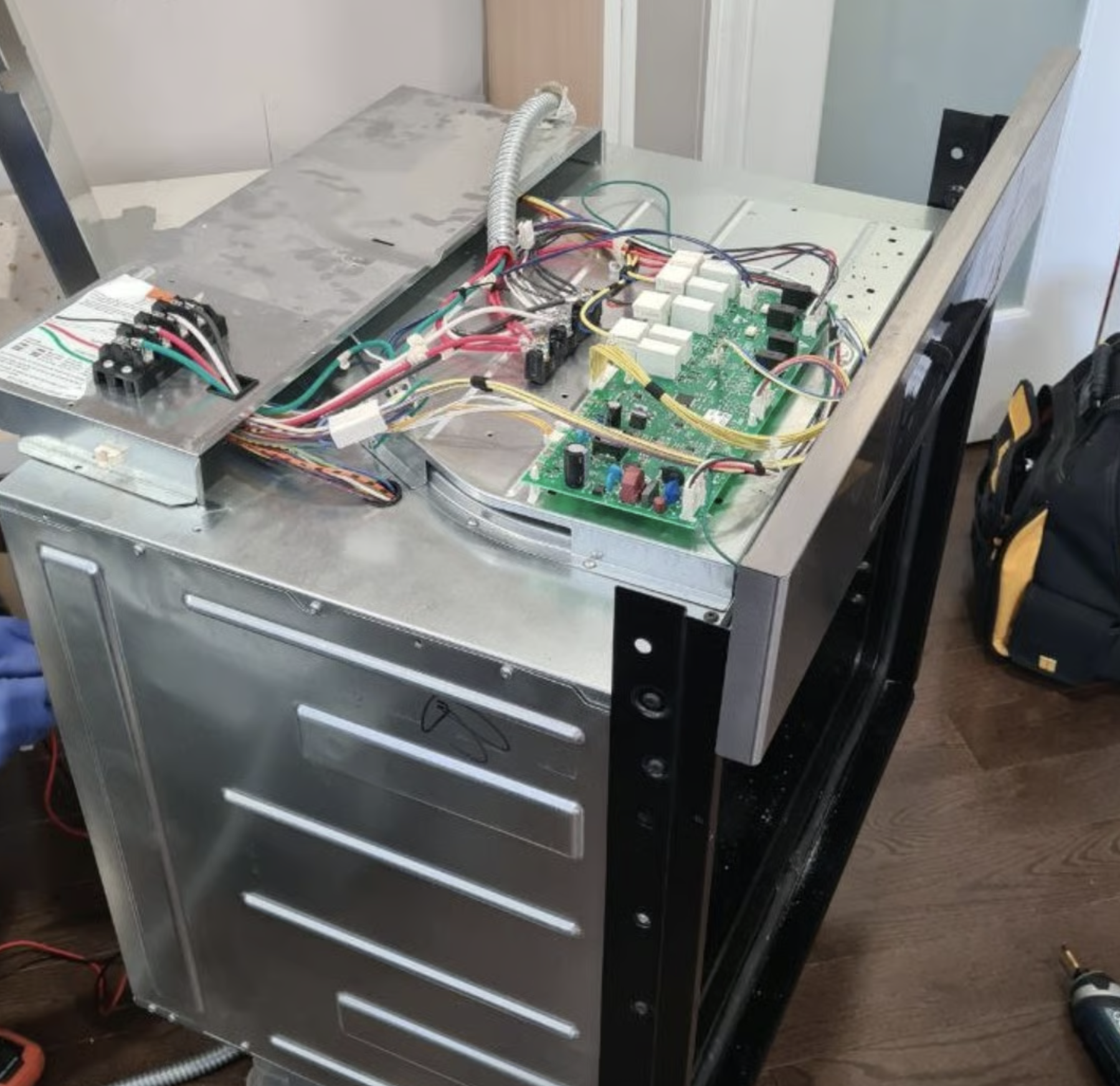
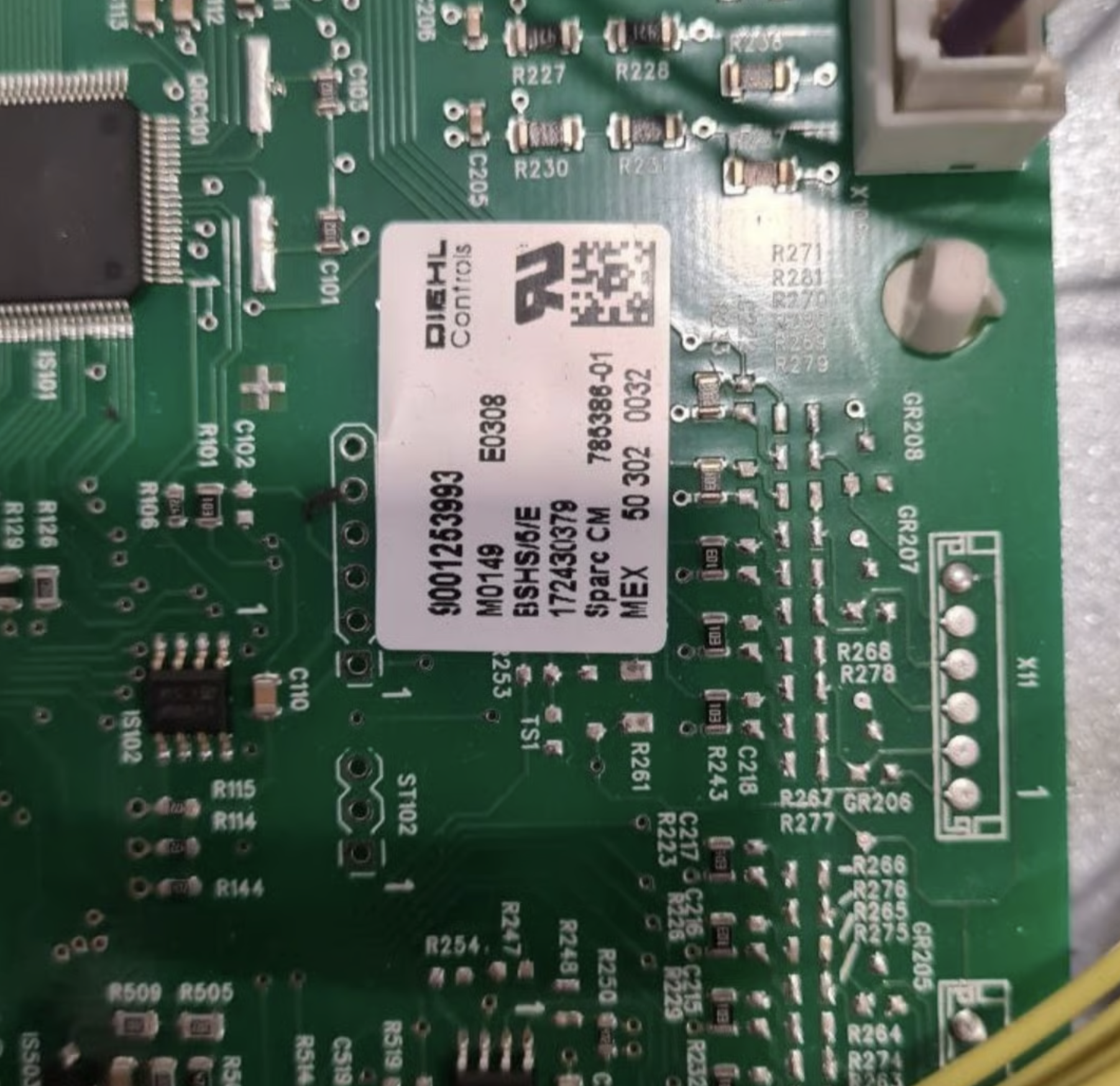
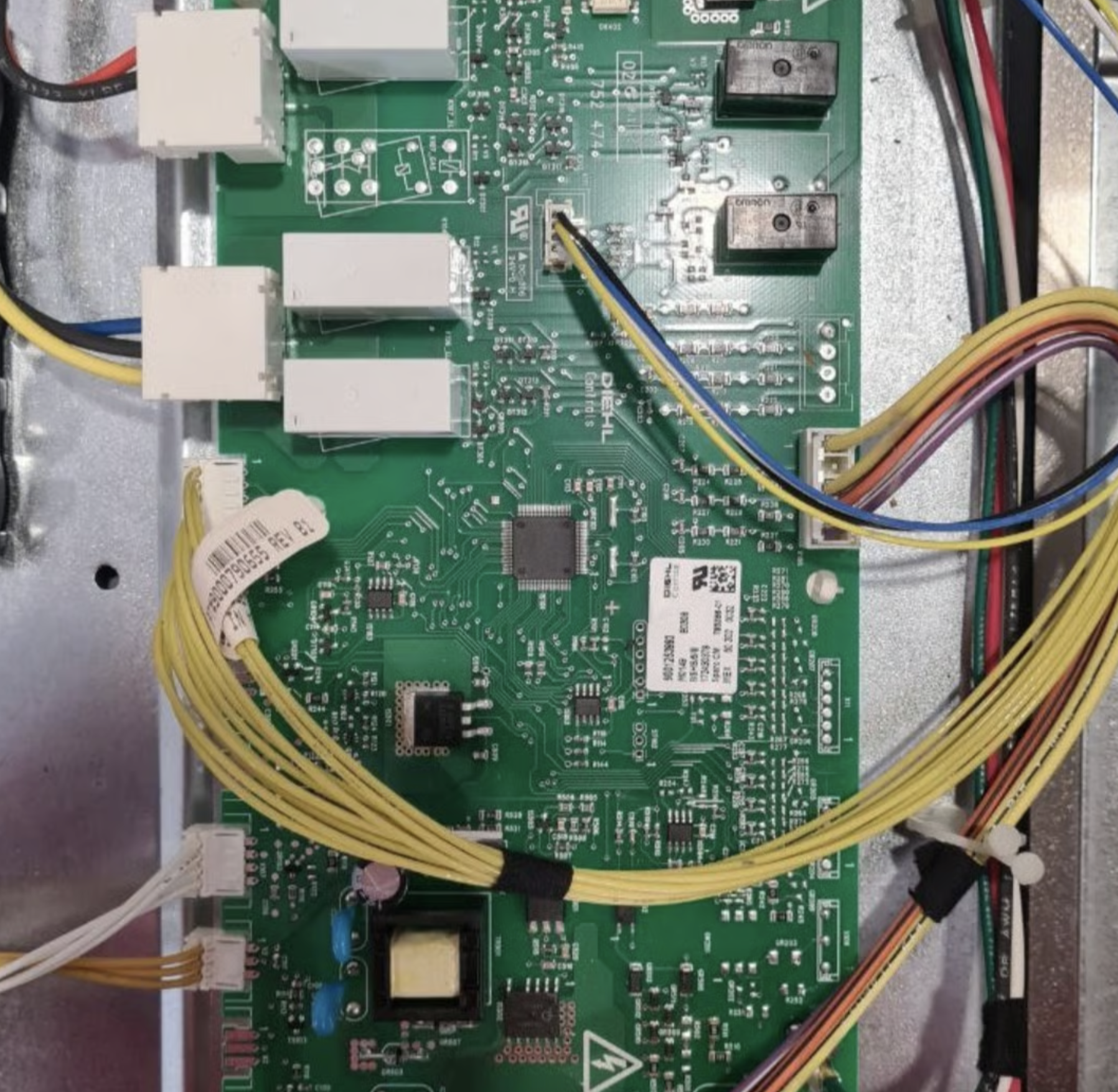
Our Work Speaks for Itself
Real Repairs. Real Results.
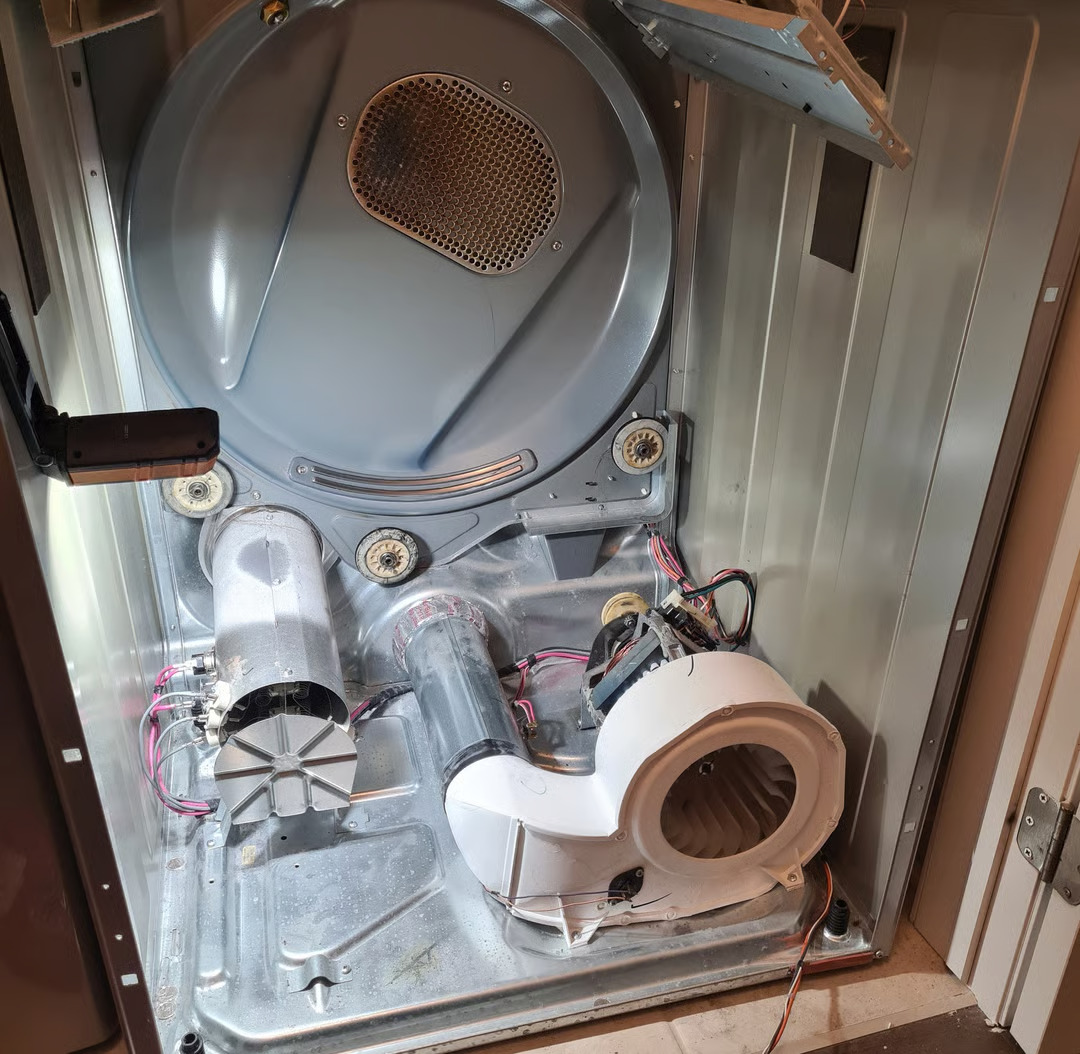
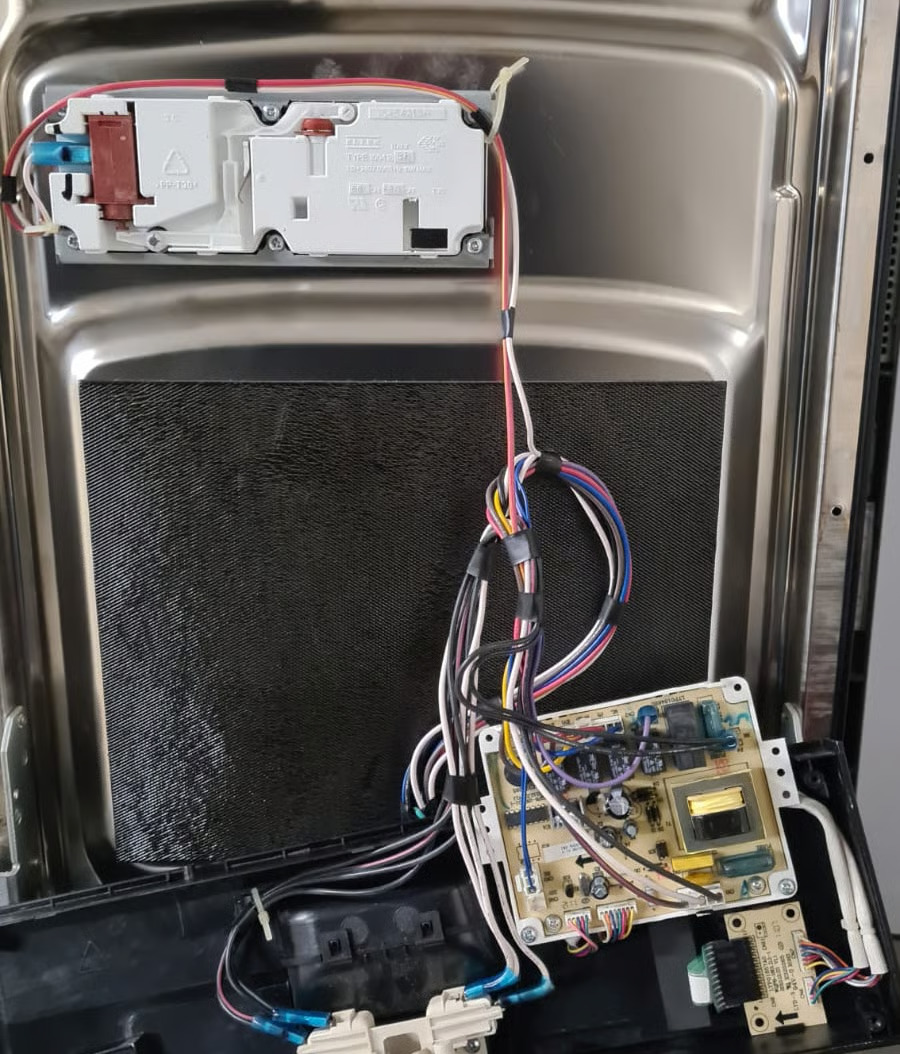
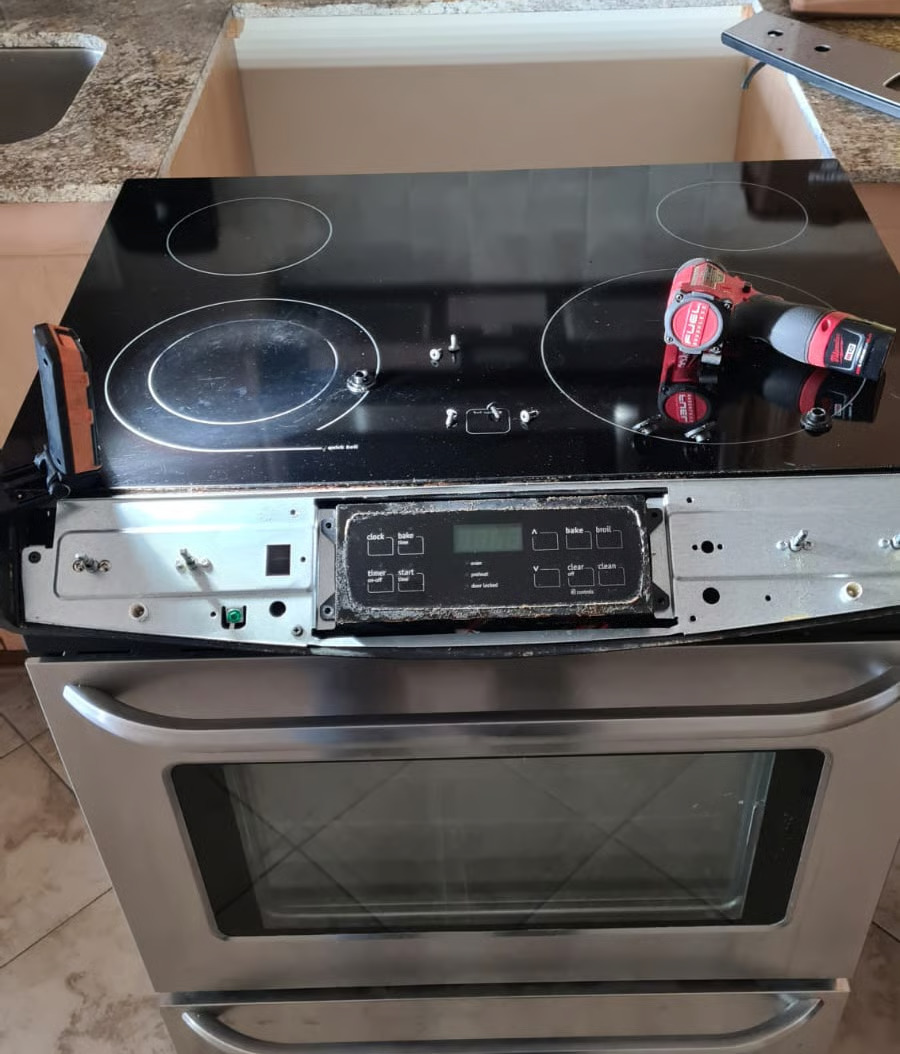
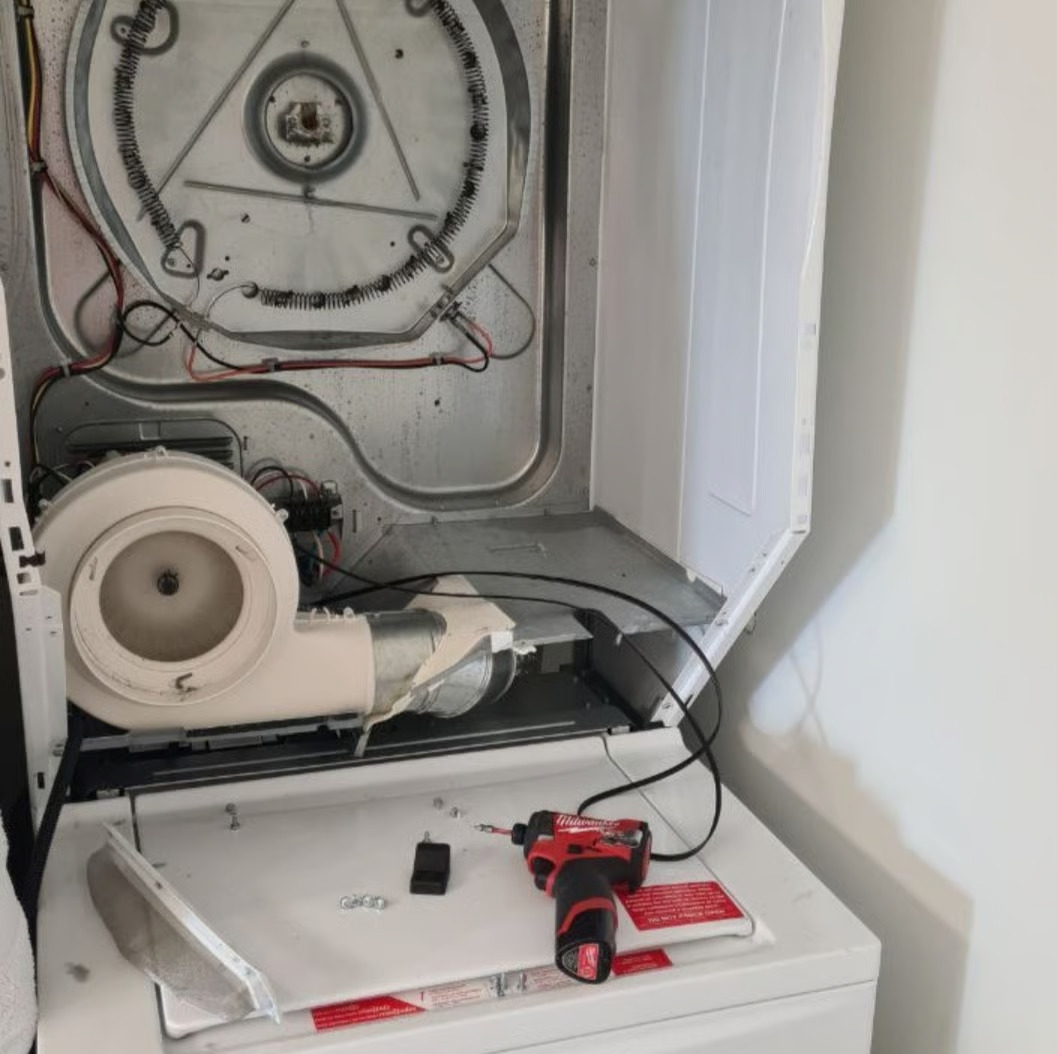
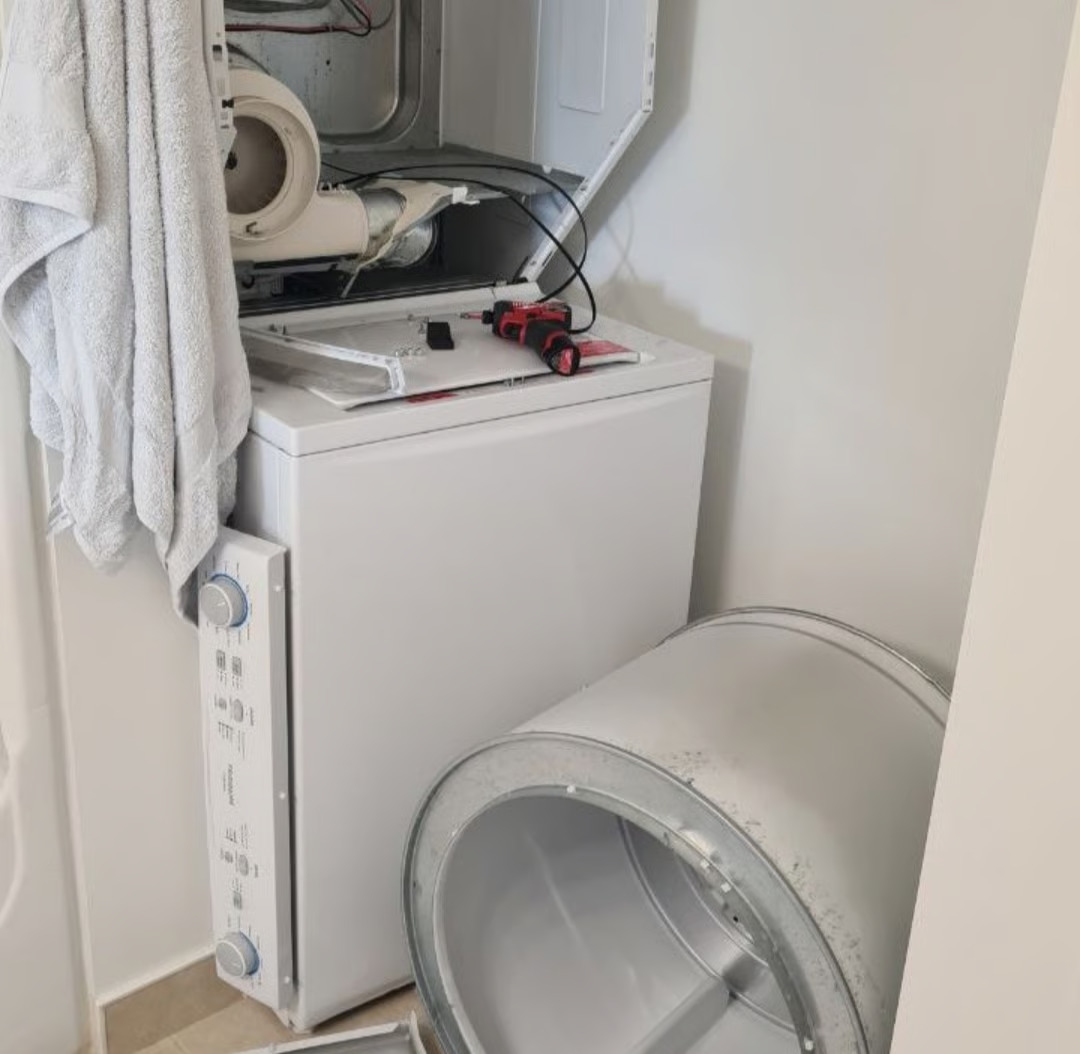
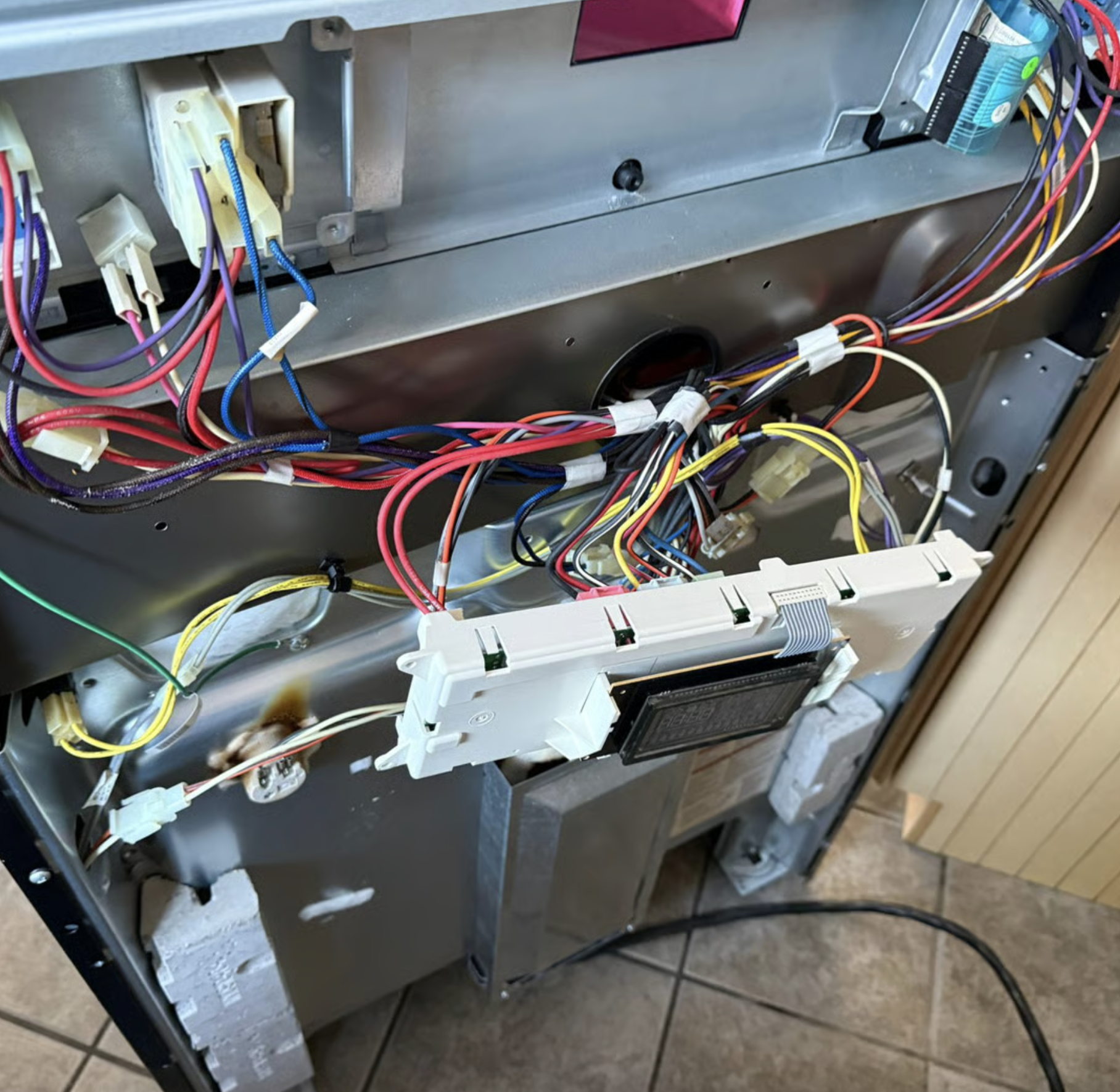
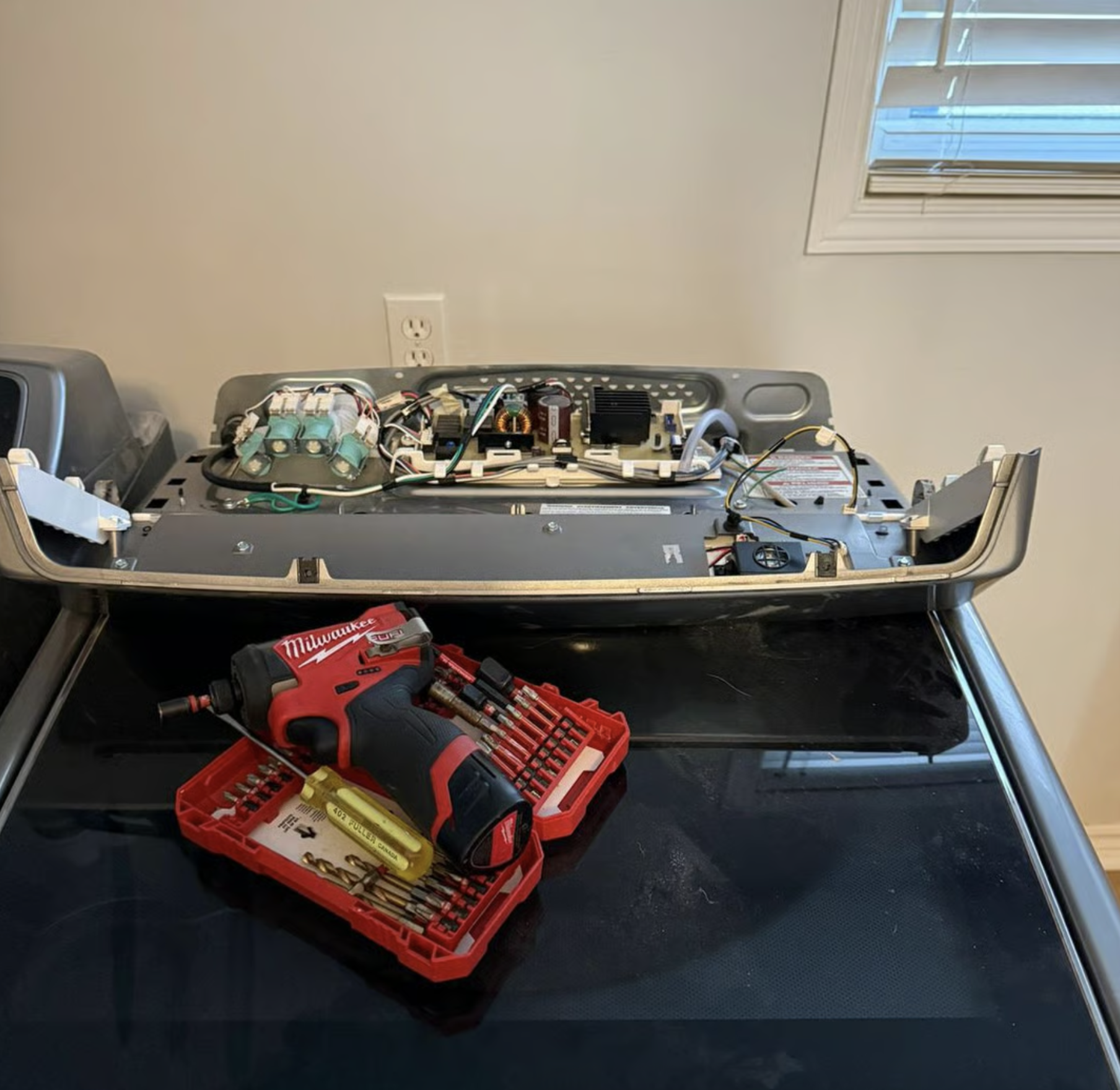
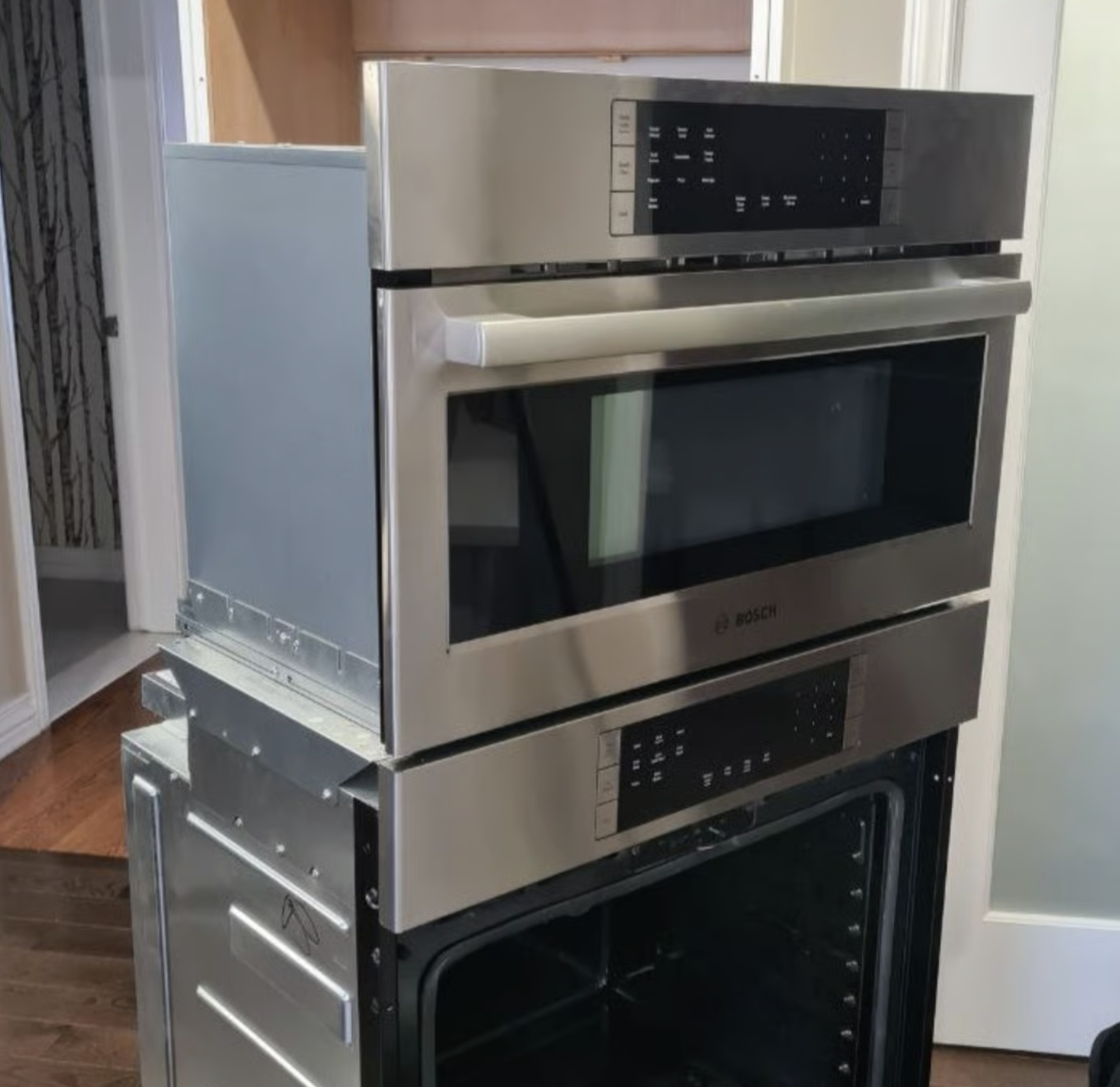
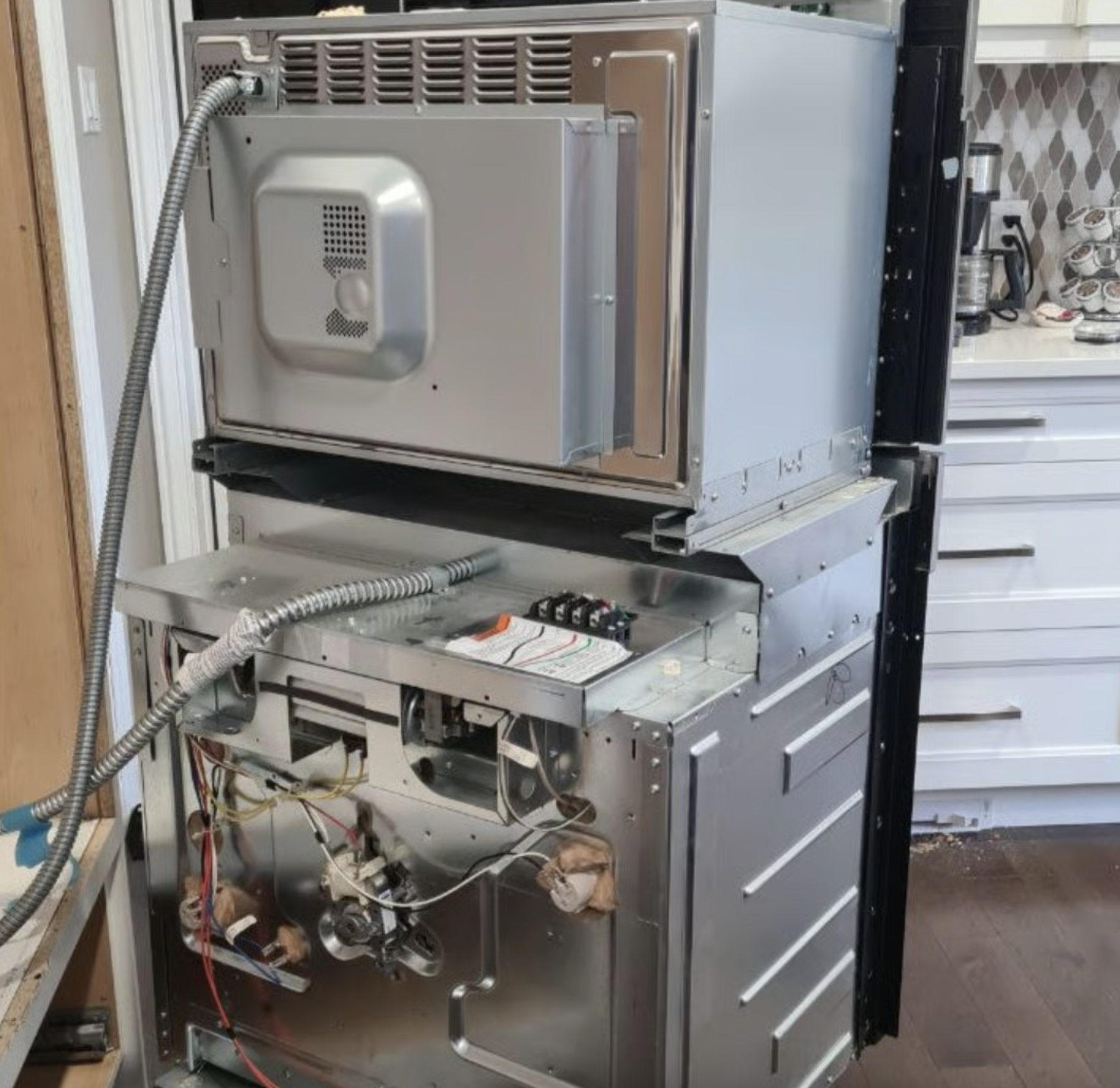
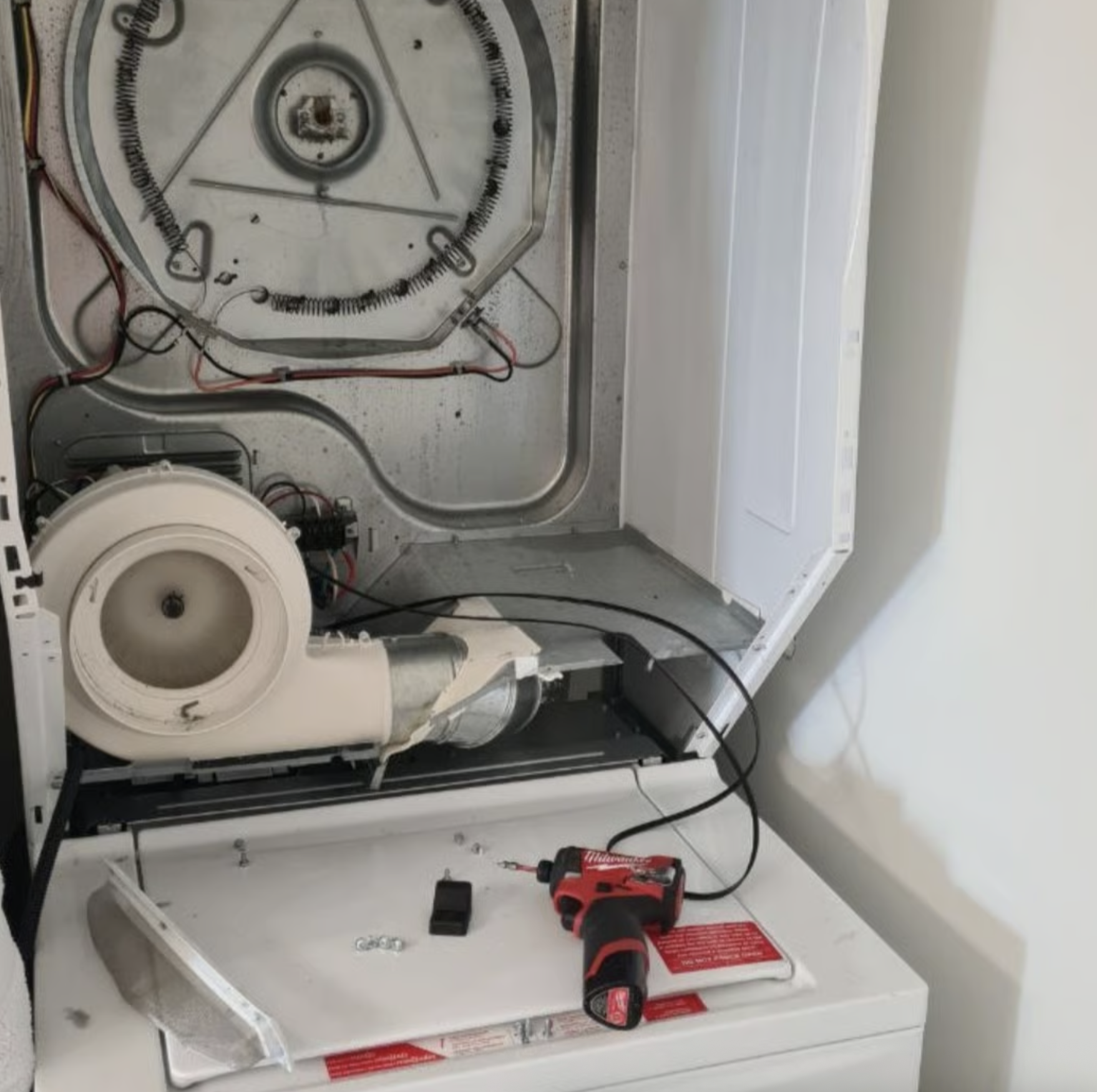
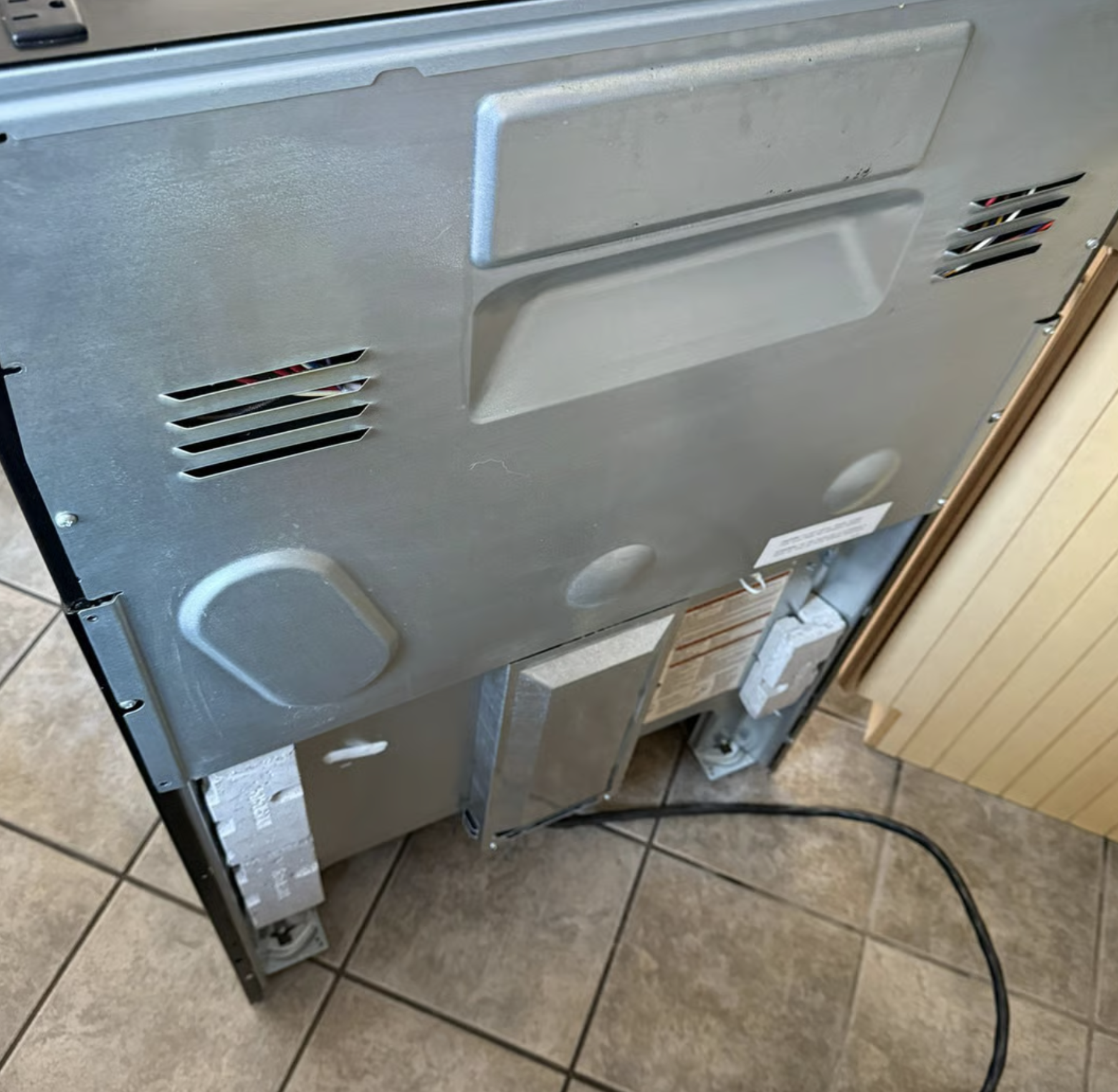
Every ice maker repair begins with a professional diagnosis and ends with a fully tested refrigerator. From replacing water inlet valves and clearing frozen fill tubes to repairing ice maker assemblies and diagnosing sensor failures, YANFIX helps Ottawa homeowners restore reliable ice production and prevent recurring problems.
You’ve Got Questions?
We’ve Got Answers!
Everything you need to know before you book.
Why is my refrigerator ice maker not making ice?
The most common causes include a faulty water inlet valve, frozen fill tube, failed ice maker assembly, low water pressure, temperature problems, sensor failures, and control board issues. Professional diagnosis is often required to determine the exact cause.
Why is my ice maker producing very little ice?
Slow ice production is often caused by restricted water flow, clogged filters, temperature issues, low water pressure, or developing component failures within the ice maker system.
Why are my ice cubes smaller than normal?
Small or hollow ice cubes usually indicate insufficient water entering the ice maker. Common causes include low water pressure, clogged filters, restricted water lines, and failing water inlet valves.
Can a clogged water filter stop ice production?
Yes. A severely restricted water filter can reduce water flow enough to affect ice production. In some cases, the ice maker may stop working completely.
Why is my ice maker leaking water?
Leaks may be caused by frozen fill tubes, excessive water flow, damaged molds, faulty inlet valves, or problems within the ice maker assembly. Water leaks should be repaired promptly to prevent additional damage.
Why does my ice maker make noise but not produce ice?
The system may still be attempting to operate but may not be receiving water or may be unable to complete harvesting cycles. Common causes include frozen fill tubes, water supply issues, and failed ice maker components.
Is it worth repairing a refrigerator ice maker?
In many cases, yes. Problems involving valves, sensors, motors, filters, fill tubes, and ice maker assemblies can often be repaired for significantly less than replacing the refrigerator.
Do you repair all refrigerator brands?
Yes. YANFIX repairs Samsung, LG, Whirlpool, KitchenAid, GE, Frigidaire, Maytag, Electrolux, Bosch, and most other major refrigerator brands commonly found in Ottawa homes.
Need Ice Maker Repair In Ottawa?
If your refrigerator ice maker has stopped working, is producing very little ice, creating small cubes, leaking water, or operating intermittently, YANFIX can help.
Our technicians diagnose the source of the problem, explain your repair options, and restore reliable ice production.
Book Your Refrigerator Repair Today
Call YANFIX or use the contact form below to schedule service.
Contact Information
- 18 Inwood Drive Kanata, Ontario, K2M 1Z5
- +1613913-30-23
- support@yanfix.com