
Washer
Making Noise
in Ottawa?
Unusual washer noises are often an early warning sign of mechanical wear, loose components, suspension problems, bearing failures, or drain system issues. Grinding, banging, squealing, rattling, and loud vibration should not be ignored because many noise-related problems become more expensive if left unrepaired.
YANFIX provides same-day washer repair throughout Ottawa and diagnoses the exact source of the noise before recommending repairs.
Modern washing machines are designed to operate relatively quietly. While some normal operating sounds are expected, new or worsening noises usually indicate a developing problem.
The type of sound often provides valuable clues. Grinding noises may indicate bearing wear. Banging during spin cycles often points to suspension issues. Squealing may come from drive components, while rattling can be caused by loose objects or pump problems.
YANFIX repairs noisy front-load and top-load washers throughout Ottawa and services Samsung, LG, Whirlpool, Maytag, GE, Frigidaire, Electrolux, Bosch, Kenmore, and other major brands.
Why Is My Washer Making Noise?
| Noise Type | Most Likely Cause | Typical Result |
| Grinding | Drum bearing wear | Loud noise during spin cycle |
| Banging | Suspension failure | Washer shakes violently |
| Squealing | Drive pulley or belt | Noise during acceleration |
| Rattling | Foreign object | Intermittent noise |
| Clicking | Drain pump obstruction | Noise during draining |
| Vibration | Unbalanced load | Excessive movement |
| Roaring | Drum bearing failure | Gets louder over time |
| Thumping | Suspension rods | Repeated impact noise |
| 💡 The type of noise often helps identify the failing component before disassembly begins. |
Common Components That Cause Washer Noise
| Component | Washer Type | Common Failure |
| Drum bearings | Front Load | Grinding, roaring, or rumbling during spin |
| Suspension rods | Top Load | Banging and excessive movement |
| Shock absorbers | Front Load | Violent vibration during spin cycle |
| Drive pulley | All Washers | Squealing or chirping noises |
| Drive belt | Many Models | Squealing during acceleration |
| Drain pump | All Washers | Grinding or rattling while draining |
| Motor | All Washers | Humming or mechanical noise |
| Foreign objects | All Washers | Clicking, rattling, scraping |
Drum Bearing Failure
One of the most expensive washer noise problems involves worn drum bearings.
As bearings wear out, the washer may develop a low rumbling sound that gradually becomes louder during spin cycles. Many homeowners describe the noise as a roaring or jet-engine sound.
| 💡 If the noise becomes significantly louder during high-speed spin cycles, worn drum bearings are often responsible. |
Suspension Rod Problems
Top-load washers rely on suspension rods to stabilize the basket.
When these rods wear out, the basket may bounce excessively, creating loud banging noises and severe vibration.
Shock Absorber Failure
Front-load washers use shock absorbers to control movement during spin cycles.
Worn shocks allow excessive movement and often produce loud knocking or banging sounds.
Drive Pulley Wear
A damaged drive pulley may squeal, chirp, or produce intermittent noises as the washer accelerates and decelerates.
The noise often becomes worse over time.
Drive Belt Problems
Drive belts can stretch, crack, or slip.
A slipping belt commonly creates a high-pitched squealing sound, especially during startup or spin acceleration.
| ⚠️ A squealing noise that gradually becomes louder usually indicates a component that is continuing to wear. |
Drain Pump Obstructions
Coins, buttons, screws, bra wires, and other small objects frequently become trapped inside drain pumps.
This often causes rattling, grinding, or clicking noises during drain cycles.
Motor Problems
Although less common, motor problems can create humming, grinding, or unusual mechanical noises.
Motor-related sounds often occur during wash agitation or spin cycles.
Foreign Objects Between Tubs
Small objects can sometimes become trapped between the inner and outer tubs.
These objects may create scraping, rattling, or clicking sounds that appear only at certain basket speeds.
Signs Your Washer Has A Noise Problem
The Noise Is Getting Worse
Many washer noise problems start subtly and gradually become more noticeable over weeks or months. Homeowners often describe the sound as something they initially ignored because it only occurred during certain parts of the cycle. As components continue to wear, the noise becomes louder, more frequent, and easier to identify.
A grinding noise that was barely noticeable during spin cycles may eventually sound like metal scraping. A slight squeal may develop into a loud screech. A minor vibration may progress into violent shaking that moves the washer across the floor.
If a washer noise is becoming worse rather than remaining consistent, it usually indicates a mechanical component that continues to deteriorate. Early diagnosis often prevents secondary damage and reduces overall repair costs.
The Noise Happens During The Spin Cycle
The spin cycle places the highest mechanical load on a washing machine. During this stage, the drum reaches its maximum speed and suspension, bearings, motor components, and support systems experience the greatest stress.
For this reason, noises that appear only during spin cycles frequently point toward drum bearings, suspension rods, shock absorbers, drive pulleys, belts, or basket support components.
Many homeowners notice that the washer sounds normal during washing and rinsing but becomes significantly louder once spinning begins. This pattern provides an important clue during diagnosis because it helps narrow the list of possible causes.
The exact type of noise—grinding, roaring, banging, squealing, or rattling—often helps determine which component is failing.
The Washer Vibrates Excessively
While some vibration is normal, excessive movement usually indicates that the washer is struggling to maintain balance during high-speed operation.
Front-load washers often develop vibration problems when shock absorbers wear out. Top-load washers commonly experience similar issues when suspension rods weaken or lose their ability to stabilize the basket.
In some cases, excessive vibration is caused by an unbalanced load. However, when the problem occurs repeatedly with different loads, worn suspension components should be considered.
Modern washers may automatically reduce spin speed or cancel spinning altogether when excessive movement is detected. This safety feature helps prevent damage but often leaves clothing wetter than expected at the end of the cycle.
Clothes Are No Longer Evenly Distributed
A properly functioning washer redistributes clothing before entering high-speed spin cycles. When suspension components, basket supports, or balancing systems begin to fail, clothing may collect on one side of the drum instead of distributing evenly.
This imbalance increases vibration, creates unusual noises, and places additional strain on drive components.
Many homeowners notice that heavy items such as towels, blankets, or bedding consistently end up bunched together after the cycle finishes. This can be an early sign that the washer is struggling to stabilize the basket correctly.
Repeated imbalance events may eventually contribute to additional suspension and bearing wear.
New Noises Recently Appeared
Any new sound that was not present previously deserves attention.
Washers typically become noisier gradually as components wear, but sudden noises can indicate a newly developed problem. Foreign objects trapped between tubs, loose hardware, damaged pulleys, failed bearings, broken suspension components, or drain pump obstructions can all create sounds that appear unexpectedly.
Pay attention to when the noise occurs and how it sounds. Grinding, squealing, knocking, clicking, banging, and rattling noises often point toward different components.
Even if the washer still appears to operate normally, a new noise is frequently the first warning sign that a repair may soon be required.
| 💡 Most washer noise complaints start with a new sound that gradually becomes louder. Addressing the issue early often prevents more extensive repairs later. |
Washer Noise Troubleshooting Guide
| Noise Type | Most Likely Cause | Recommended Action |
| Grinding during spin | Drum bearing wear | Inspect bearing assembly |
| Loud banging | Suspension failure | Inspect suspension system |
| Squealing during acceleration | Drive belt or pulley | Inspect drive system |
| Rattling during drain cycle | Foreign object in pump | Inspect drain pump |
| Roaring at high speed | Bearing deterioration | Professional diagnosis |
| Clicking from drum area | Foreign object trapped | Inspect basket area |
| Violent vibration | Shock or suspension issue | Inspect stabilization system |
| Humming with vibration | Motor or drive issue | Motor testing required |
Why Choose Yanfix
We make appliance repair easy, fast, and reliable
Forget long waits, hidden fees, and sloppy work. At Yanfix, we treat your time and home with respect — delivering expert service you can count on.

Fast Response Times
Fast response times throughout Ottawa and surrounding communities.
Accurate Diagnosis
We identify the exact source of washer noise before recommending repairs.
Experience With All Major Brands
Samsung, LG, Whirlpool, Maytag, GE, Frigidaire, Electrolux, Bosch, Kenmore, Amana, and more.
Upfront Pricing
Clear repair recommendations before any work begins.
What You Can Check Before Calling For Service
Verify The Washer Is Level
A washing machine must sit evenly on the floor. Even a small amount of instability can create excessive vibration and noise during high-speed spin cycles.
Over time, vibration can loosen leveling feet and slightly shift the washer’s position. This often creates noises that appear mechanical but are actually caused by improper leveling.
If the washer rocks when pressure is applied to the corners, leveling should be checked first.
Inspect The Load Inside The Washer
Large blankets, comforters, bath mats, and heavy towels can create significant imbalance during spinning.
Modern washers may attempt to redistribute the load automatically. If unsuccessful, the machine may reduce spin speed or produce loud banging sounds as the basket struggles to remain balanced.
Before assuming a component has failed, try running a smaller balanced load.
| 💡 Many severe vibration complaints are caused by overloaded or poorly balanced loads rather than failed components |
Check Pockets For Foreign Objects
Coins, screws, nails, bra wires, hair clips, keys, and other small objects frequently enter washing machines unnoticed. These objects can become trapped between the inner basket and outer tub or enter the drain pump system. The result is often a clicking, rattling, scraping, or grinding noise that appears suddenly. Many customers assume major mechanical failure when the actual cause is a small object trapped inside the machine.Observe When The Noise Occurs
The timing of the noise provides valuable diagnostic information.
- During fill cycle → water valve related
- During wash cycle → drive system or motor
- During drain cycle → drain pump
- During spin cycle → bearings, suspension, shocks, basket support
- Throughout entire cycle → multiple possibilities
Knowing exactly when the sound occurs can significantly reduce diagnostic time.
Stop Using The Washer If The Noise Is Severe
A washer that produces loud grinding, metal scraping, or violent banging noises may already have a failing mechanical component.
Continuing operation can increase damage to bearings, suspension systems, baskets, motors, and support structures.
| ⚠️ If the washer sounds like metal is grinding against metal, discontinue use until the source of the noise has been identified. |
How Yanfix Fixes A Noisy Washer
1. Identify The Noise Source
We determine whether the noise originates from bearings, suspension components, pumps, motors, drive systems, or foreign objects.
2. Inspect Mechanical Components
Bearings, shocks, rods, pulleys, belts, and basket supports are evaluated for wear.
3. Test Motor And Drive System
Drive components are inspected under operating conditions.
4. Inspect Drain System
Drain pumps and drainage pathways are checked for obstructions and wear.
5. Complete Necessary Repairs
Only failed components are repaired or replaced.
6. Verify Quiet Operation
The washer is tested through wash, drain, and spin cycles before the repair is considered complete.
Washer Brands We Service In Ottawa
A noisy washer can affect virtually any brand. While symptoms may sound similar, the underlying cause often varies depending on the manufacturer and design of the machine.
Samsung Washers
Samsung washers commonly develop suspension, bearing, drain pump, and balance-related noise issues as they age. Grinding and vibration complaints are particularly common during spin cycles.
LG Washers
LG washers frequently experience bearing wear, drain pump noise, and shock absorber problems. Front-load models often become louder as internal support components wear.
Whirlpool Washers
Whirlpool washers often develop suspension rod, pulley, and drive system noises. Top-load models may begin producing banging sounds during high-speed spinning.
Maytag Washers
Maytag washers commonly experience suspension wear, basket support issues, and drain pump noise after years of heavy use.
GE Washers
GE washers can develop bearing noise, drive system problems, and drain pump failures that create grinding or roaring sounds.
Frigidaire, Electrolux, Bosch, KitchenAid & Kenmore
We diagnose and repair noisy washers from all major manufacturers sold in Canada.
| 💡 The same noise can have completely different causes depending on the washer brand and design. Proper diagnosis is essential before replacing parts. |
| Repair Type | Typical Cost Range (CAD) |
| Service Call & Diagnosis | $80 |
| Lid switch replacement | $80 – $220+ |
| Door lock replacement | $80 – $280+ |
| Drain pump repair | $80 – $350+ |
| Drive belt replacement | $80 – $250+ |
| Suspension rod replacement | $80 – $350+ |
| Shock absorber replacement | $80 – $350+ |
| Motor repair | $80 – $500+ |
| Control board repair | $80 – $500+ |
| Bearing replacement | $80 – $700+ |
| 💡 The final repair cost depends on the washer brand, model, availability of replacement parts, and the exact cause of the noise. |
What Ottawa Homeowners Say About Yanfix
“Our LG washer started making a loud grinding noise during spin cycles. Yanfix quickly identified worn bearings and explained all repair options clearly.”
★★★★★
— Sarah M., Kanata
“The washer was shaking violently and banging against the walls. The problem turned out to be worn suspension rods. Fast service and fair pricing.”
★★★★★
— David R., Nepean
“Our Samsung washer developed a loud rattling sound during draining. Yanfix found debris inside the pump and fixed the issue during the first visit.”
★★★★★
— Michelle T., Ottawa
Same-Day Washer Repair Across Ottawa
YANFIX provides washer repair services throughout Ottawa and surrounding communities, including:
- Kanata
- Stittsville
- Nepean
- Barrhaven
- Gloucester
- Blackburn Hamlet
- Alta Vista
- Greenboro
- Westboro
- Hintonburg
- Centretown
- Downtown Ottawa
- Rockcliffe Park
- Manor Park
Our mobile service allows repairs to be completed directly in your home without transporting the appliance.
Our Work Speaks for Itself
Real Repairs. Real Results.
We believe that quality is best proven in action — not just words.
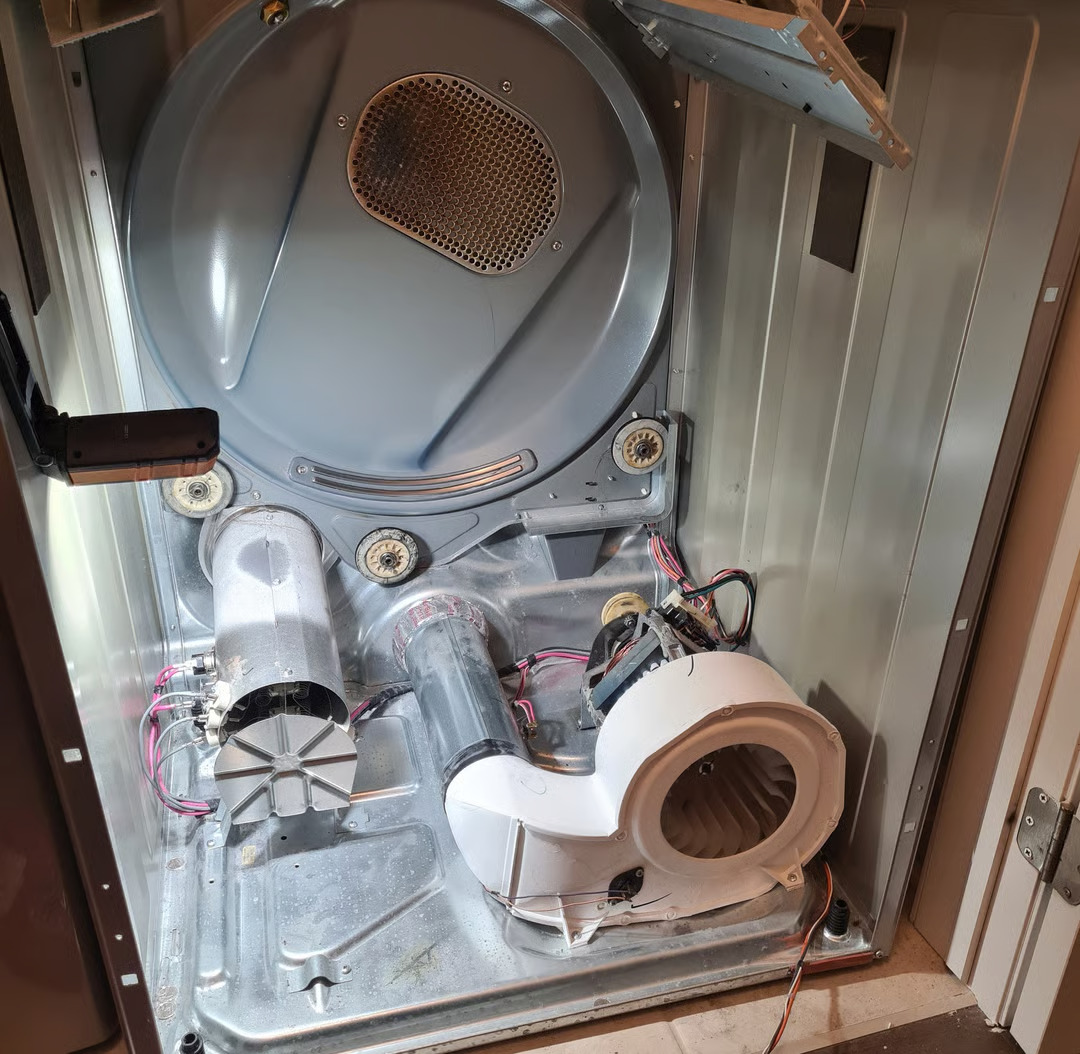
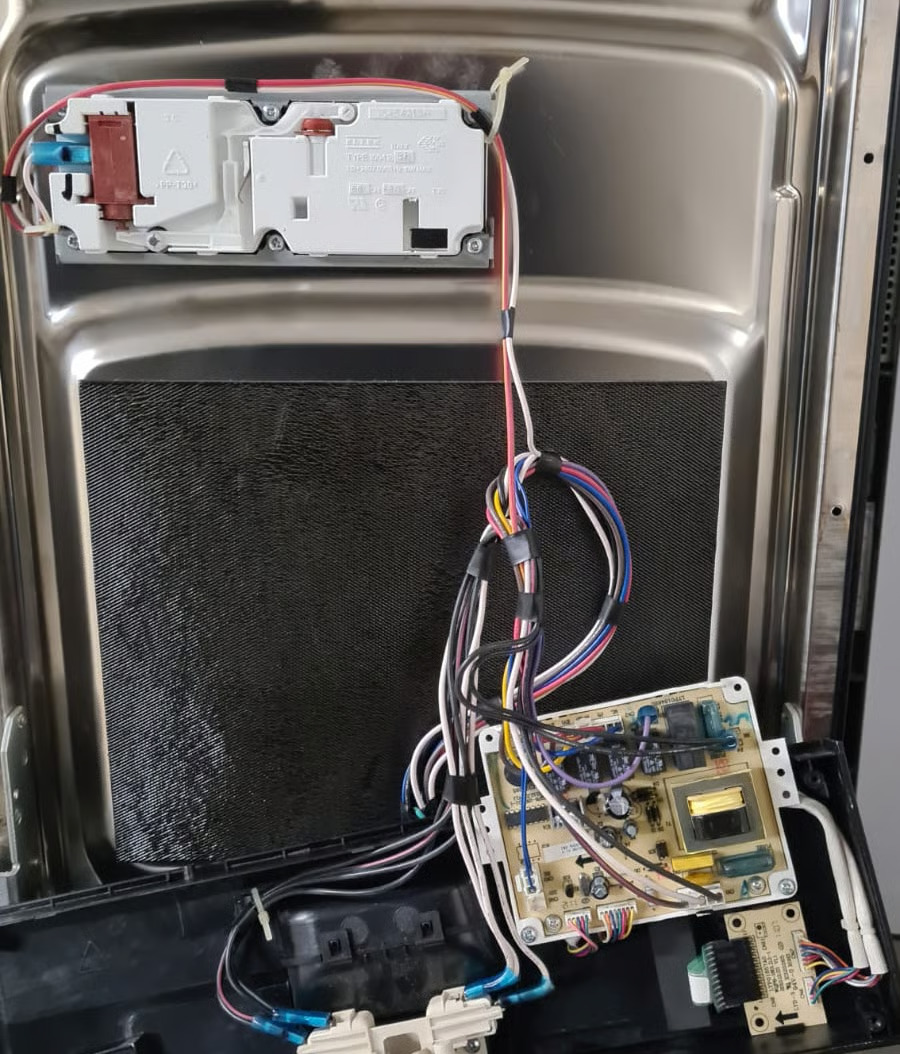
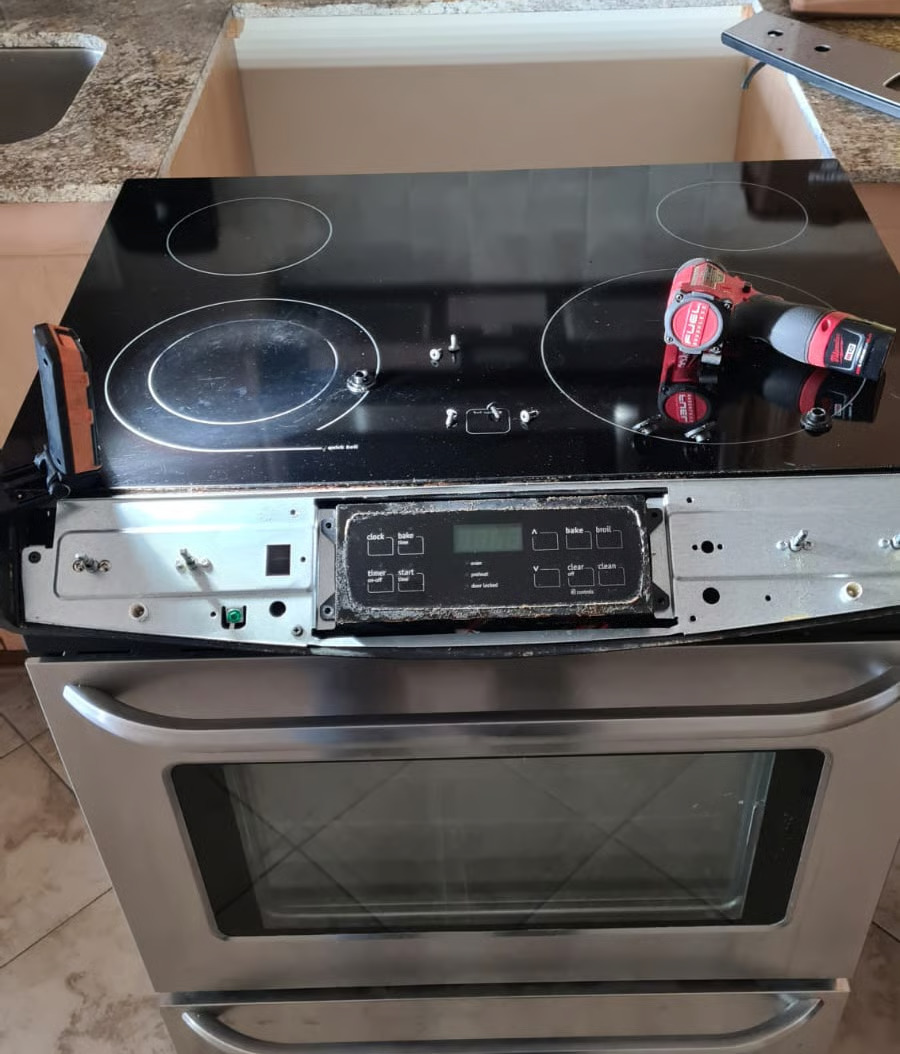
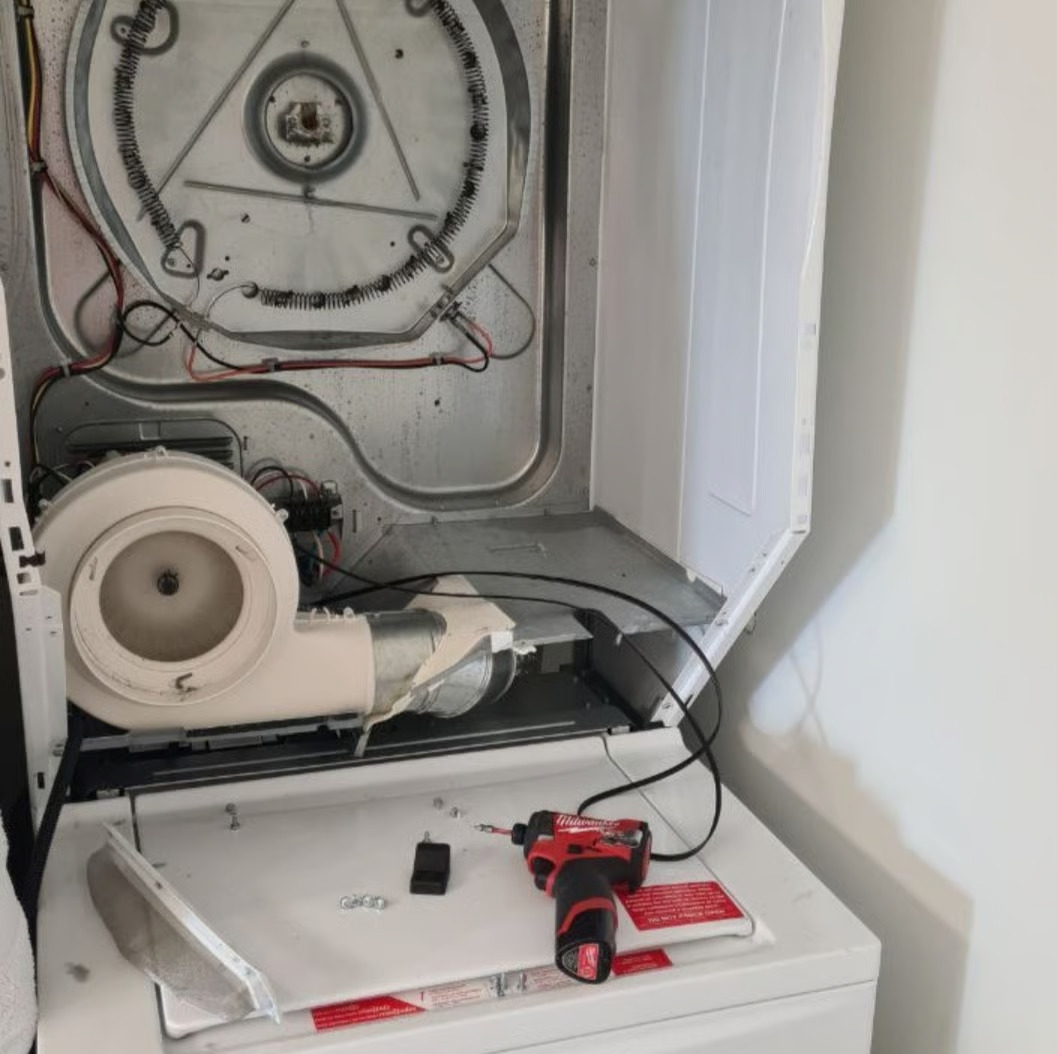
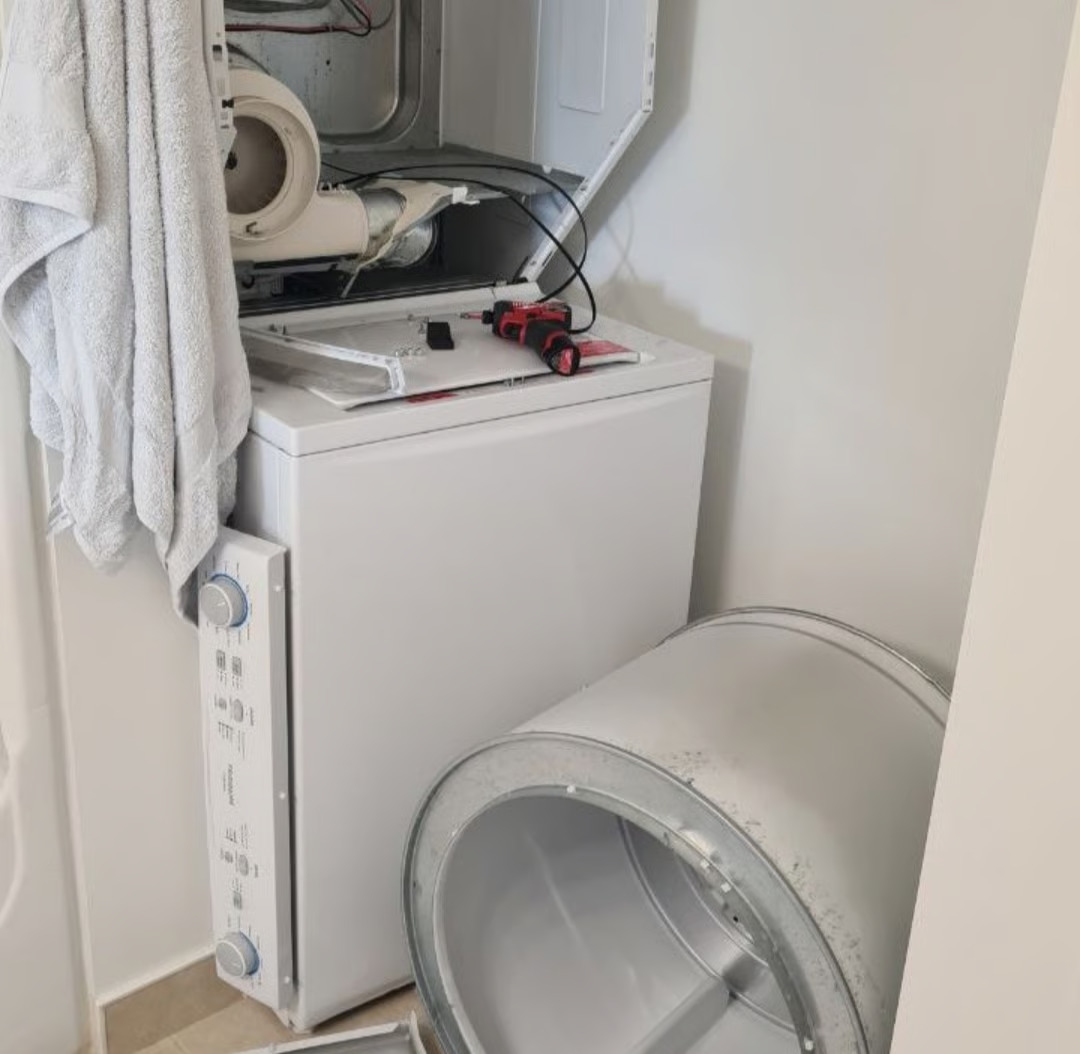
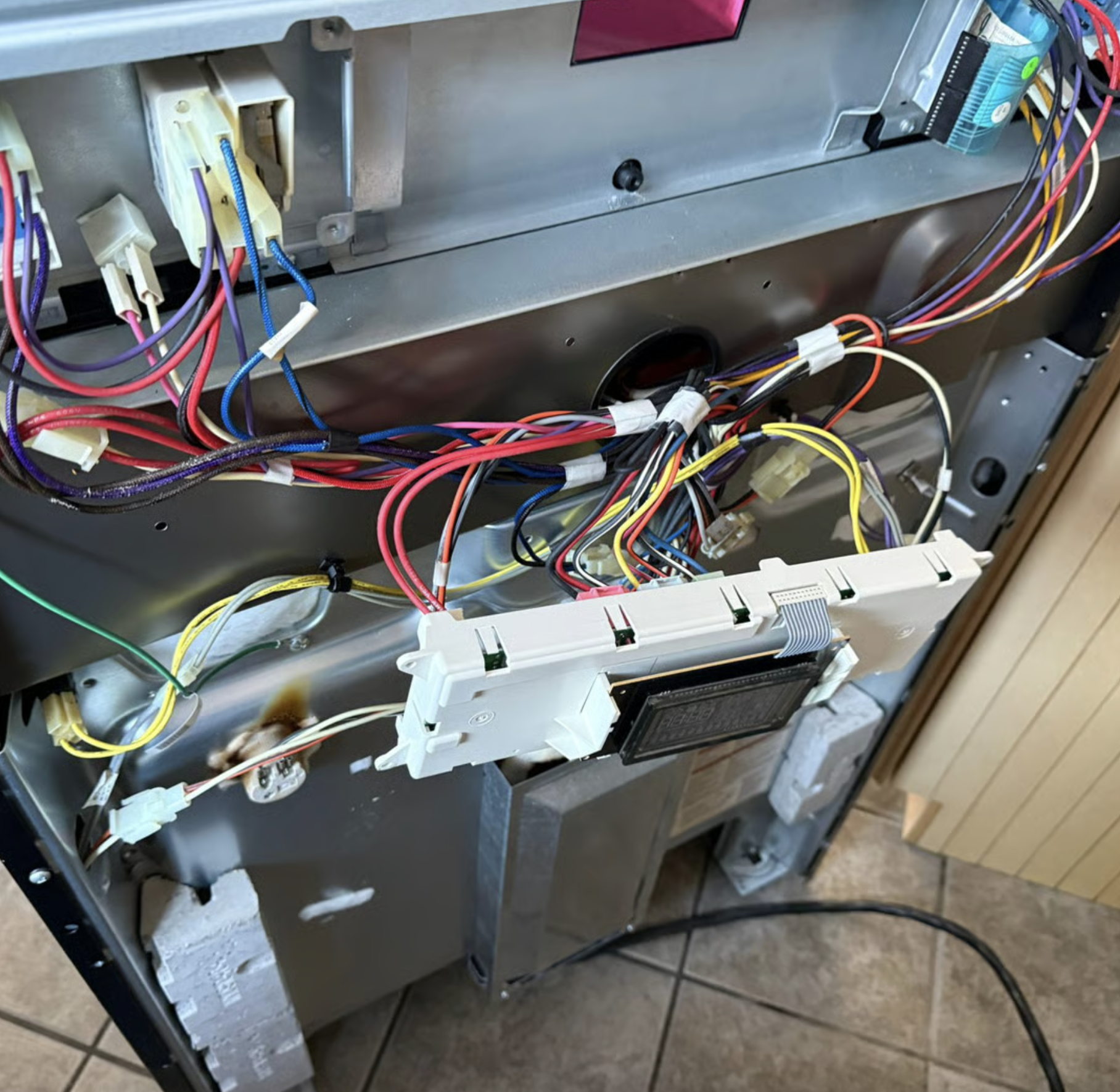
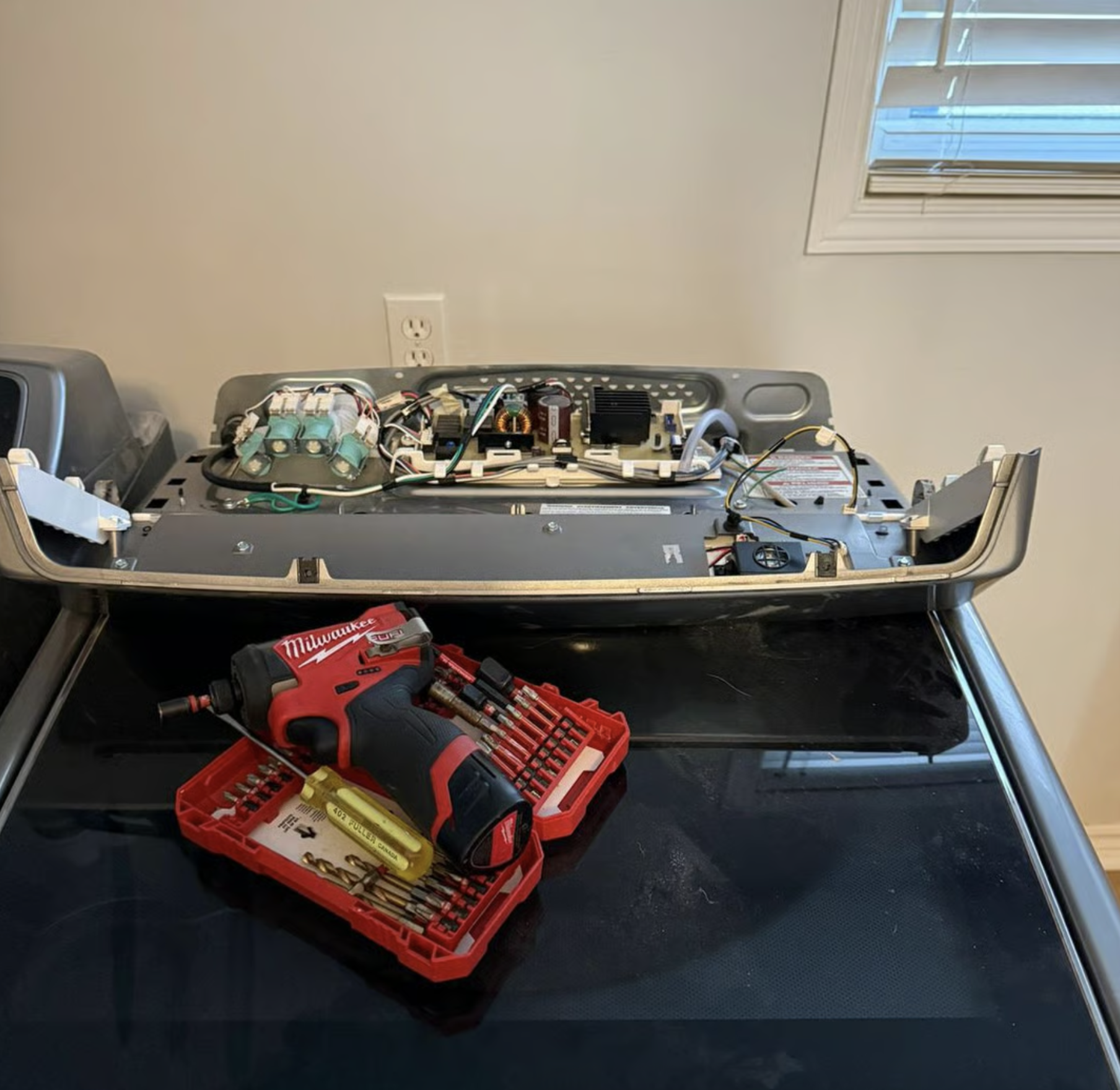
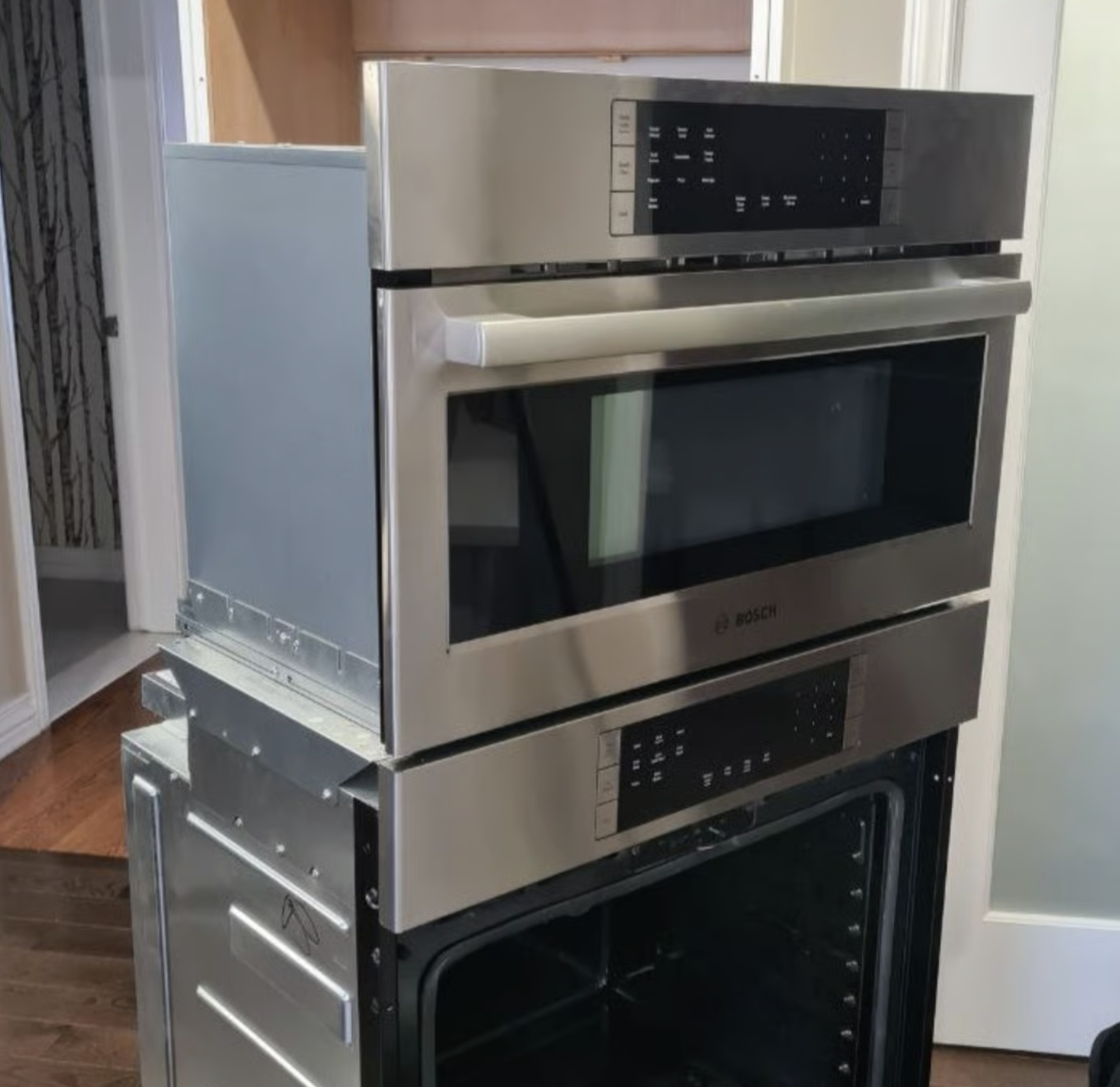
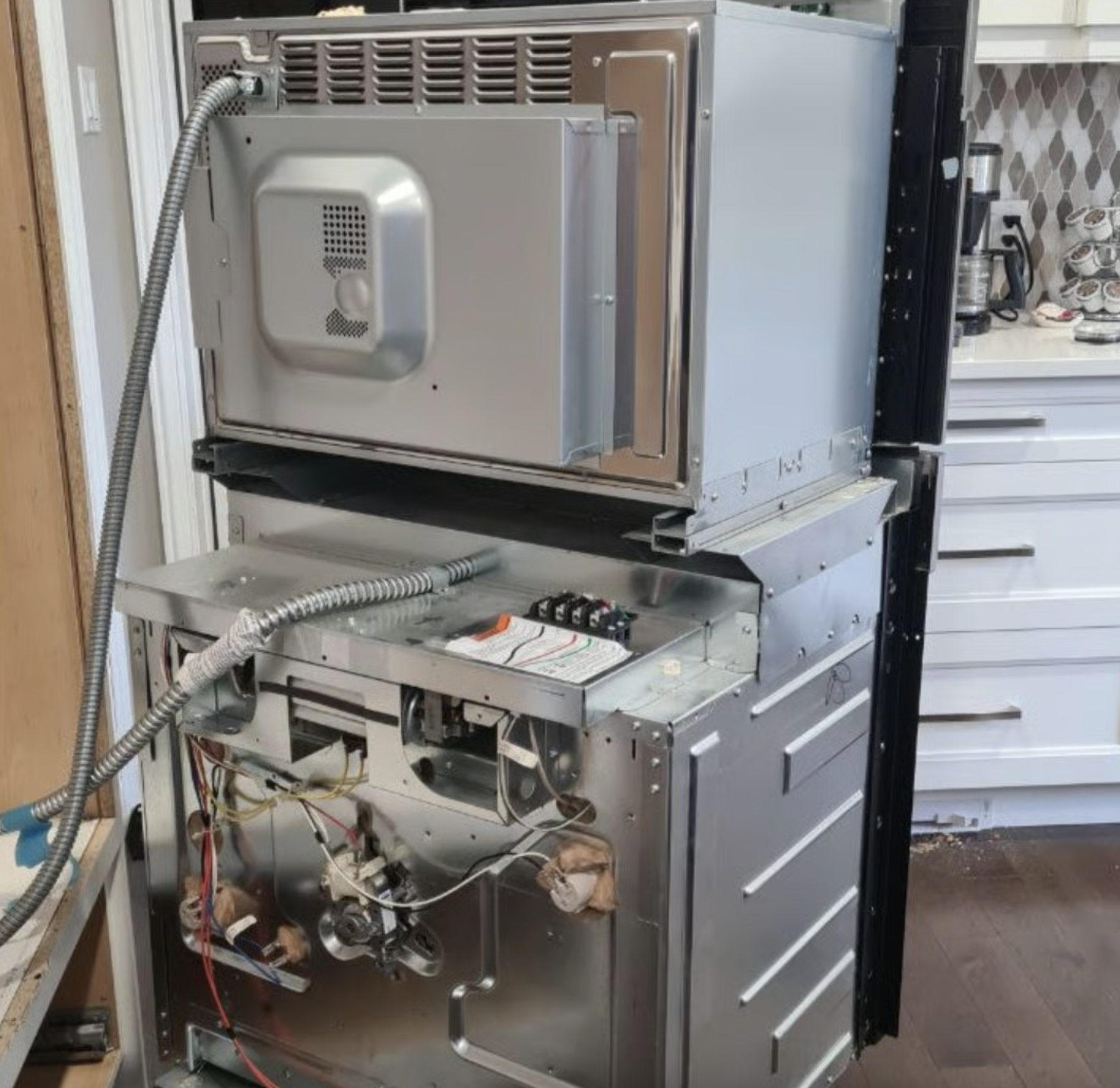
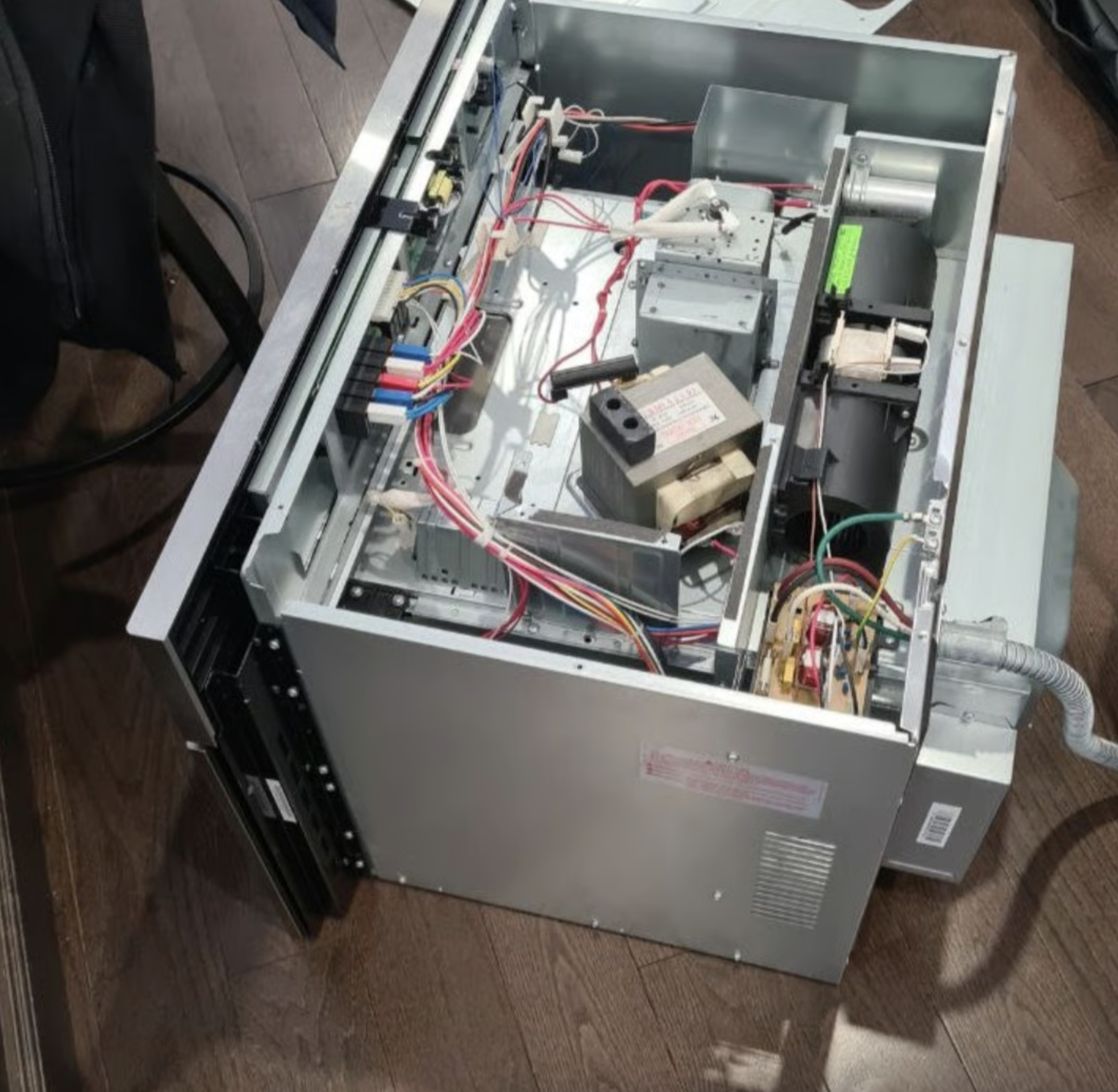
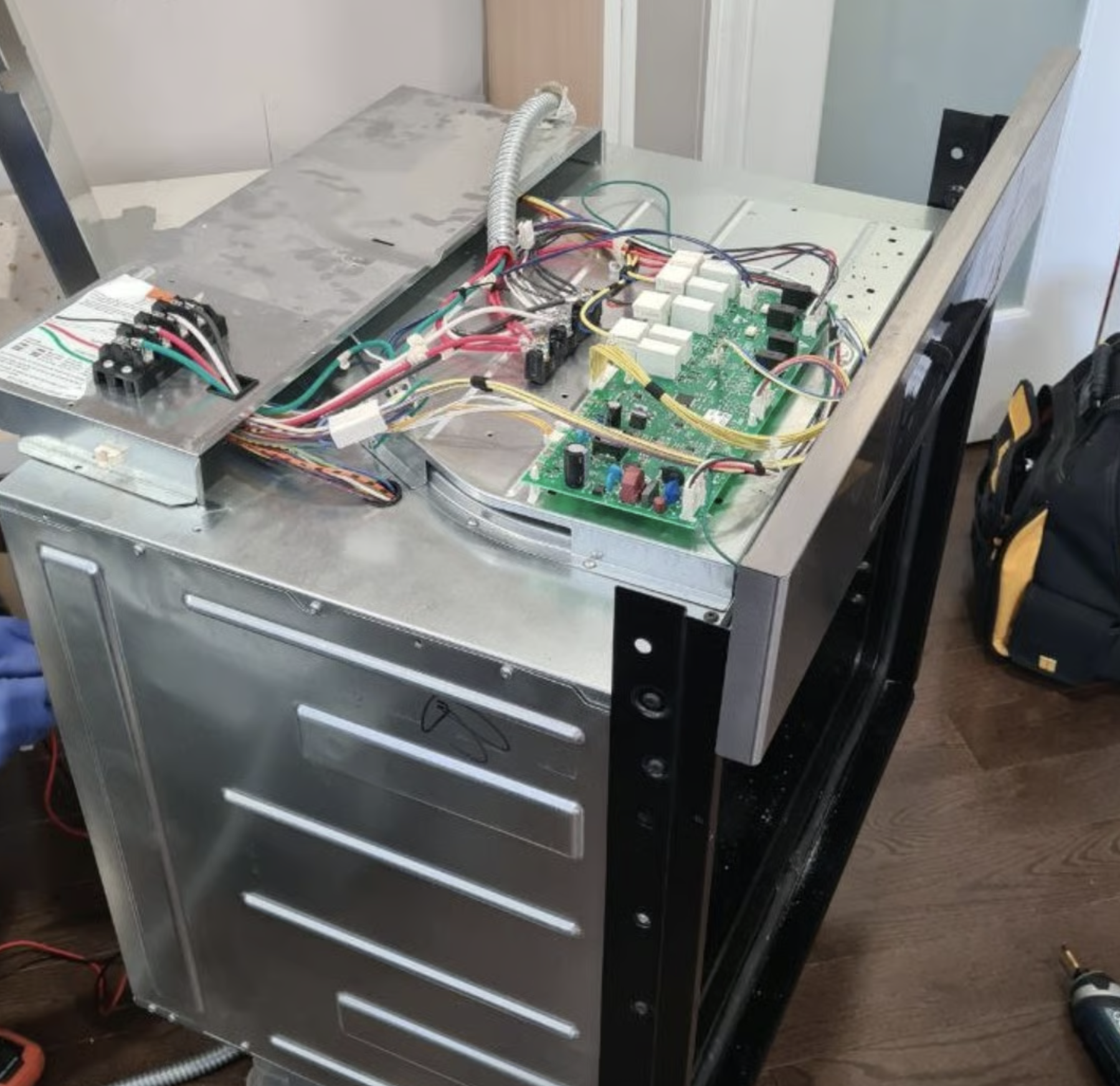
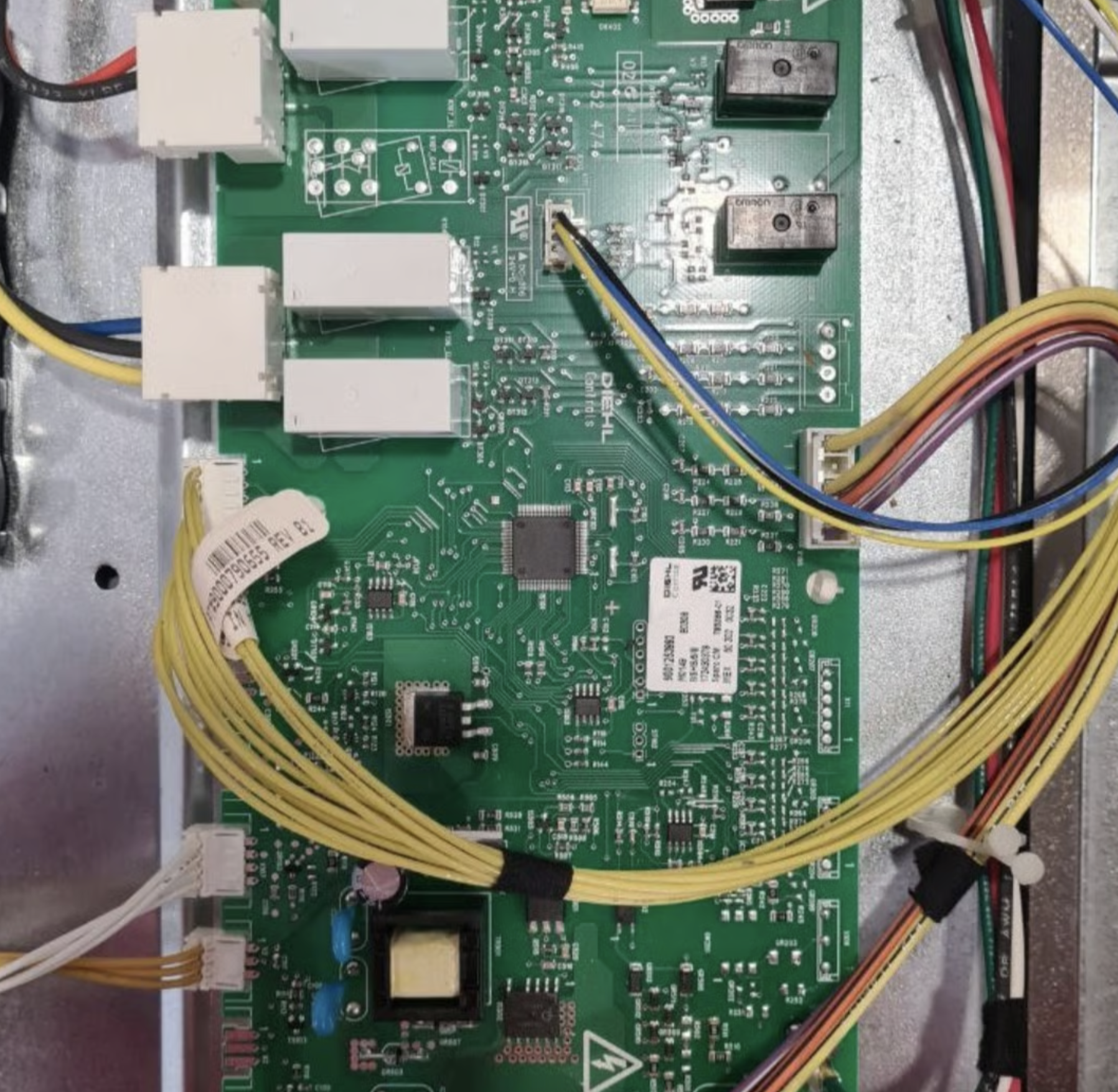
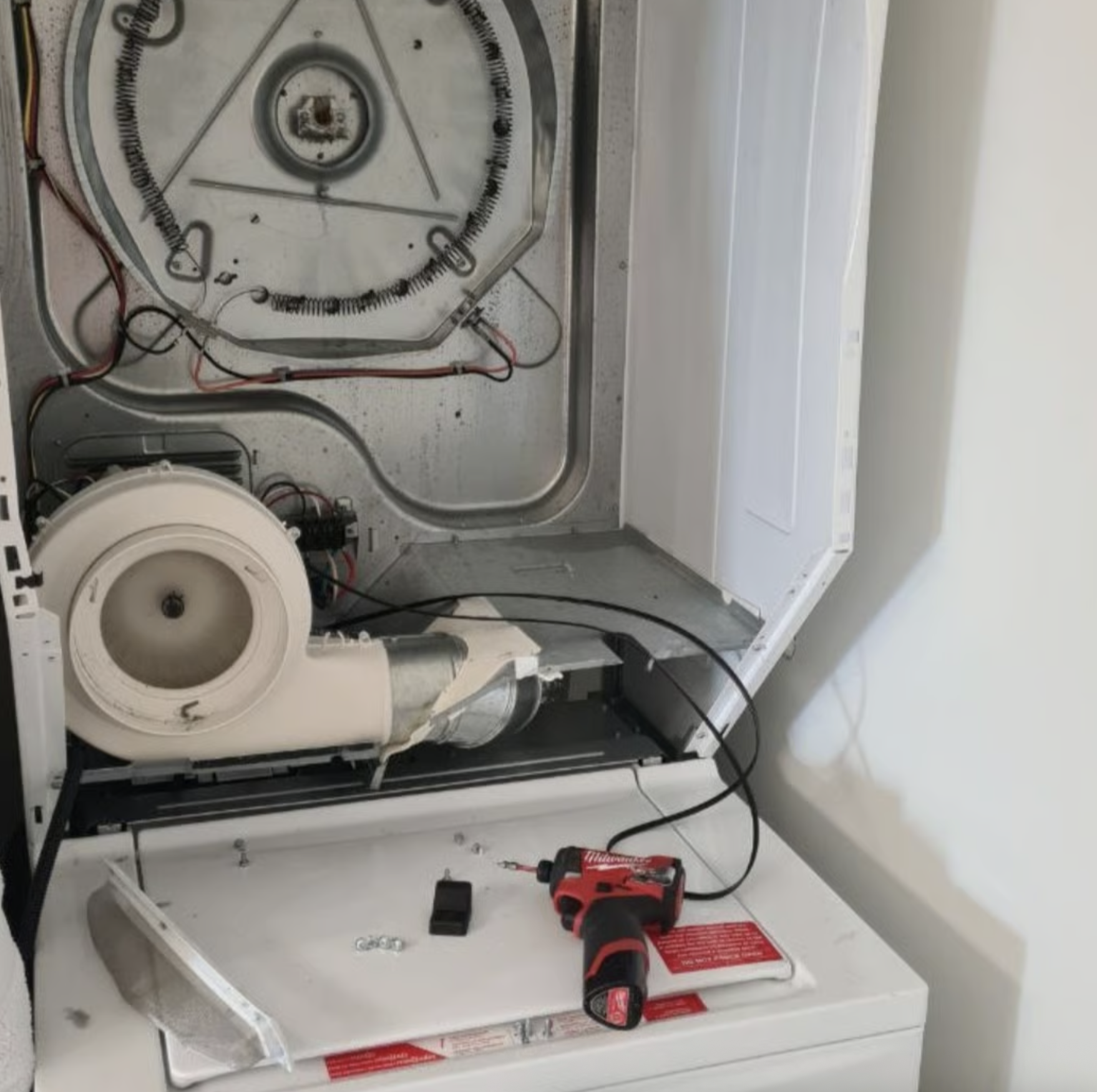
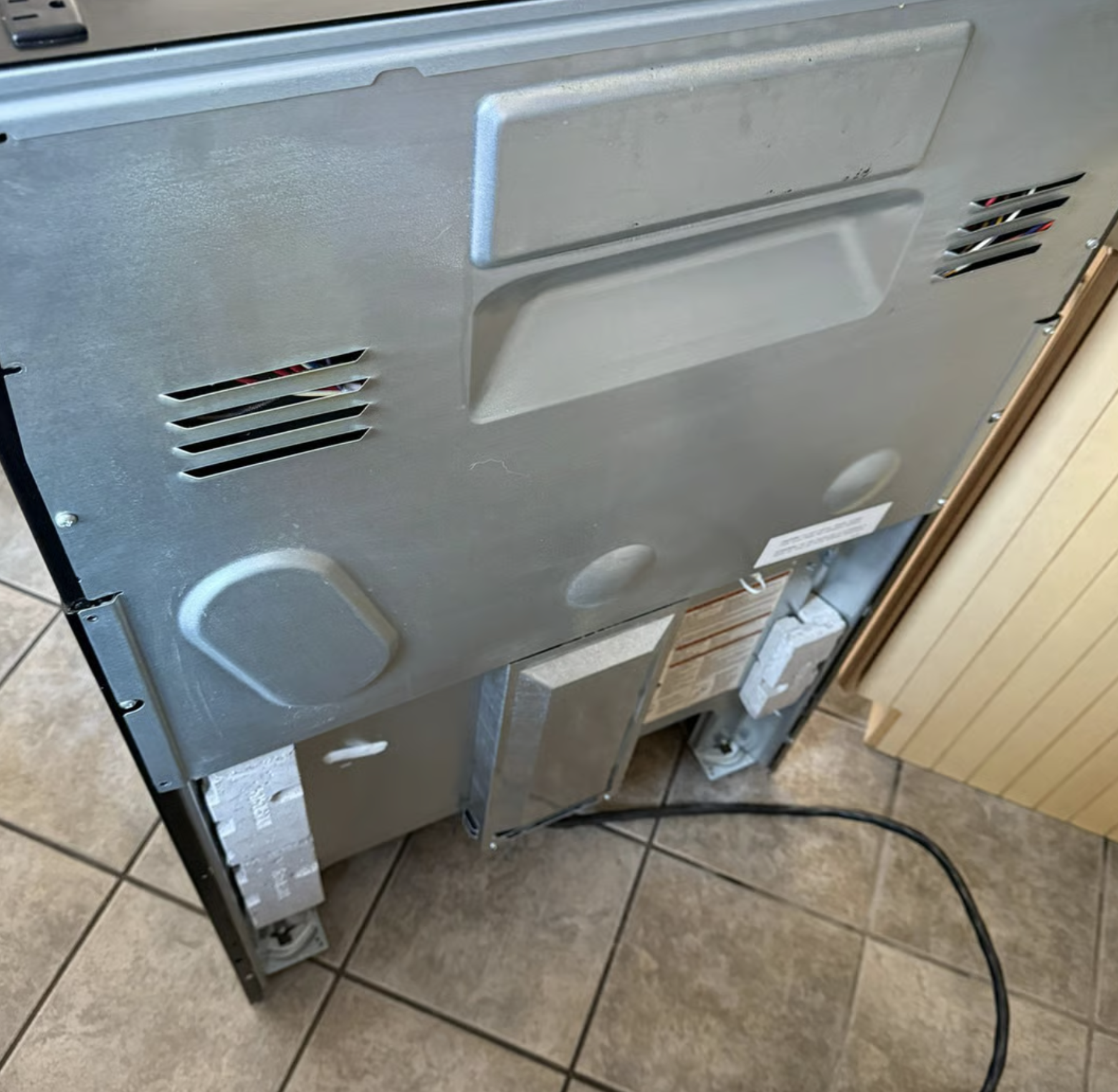
Below are real examples of appliances we’ve repaired.
You’ve Got Questions?
We’ve Got Answers!
Everything you need to know before you book.
Why is my washer making a loud grinding noise?
Grinding noises often indicate bearing wear, foreign objects trapped inside the machine, drain pump problems, or drive system failures. The exact cause usually depends on when the sound occurs during the cycle.
Why does my washer bang during spin cycles?
Grinding noises often indicate bearing wear, foreign objects trapped inside the machine, drain pump problems, or drive system failures. The exact cause usually depends on when the sound occurs during the cycle
Why does my washer bang during spin cycles?
Banging noises are commonly caused by worn suspension rods, failed shock absorbers, unbalanced loads, or basket support problems. Continued operation can sometimes increase damage to surrounding components.
Can a washer bearing be repaired?
In many cases bearings can be replaced, although the repair complexity varies significantly between models. Some washers require substantial disassembly to access the bearing assembly.
Why is my washer vibrating so much?
Excessive vibration is often caused by suspension wear, improper leveling, overloaded baskets, or balance problems. Modern washers may reduce spin speed when severe vibration is detected.
Is it safe to continue using a noisy washer?
That depends on the source of the noise. Minor issues may not require immediate repair, but grinding, scraping, banging, or roaring sounds should be investigated before additional damage occurs.
Why does my washer squeal during spin?
Squealing noises are frequently associated with worn drive belts, pulleys, bearings, or motor-related components.
Can a drain pump make noise?
Yes. Coins, buttons, screws, and other debris can become trapped inside the drain pump and create rattling, clicking, or grinding sounds.
Do you repair front-load and top-load washers?
Yes. Yanfix repairs both front-load and top-load washing machines from all major brands.
Do you offer same-day washer repair in Ottawa?
Yes. Same-day appointments are available throughout most Ottawa service areas whenever scheduling permits.
Do you repair all major washer brands?
Yes. We service Samsung, LG, Whirlpool, Maytag, GE, Frigidaire, Electrolux, Bosch, Kenmore, Amana, and many others.
Washer Making Noise? We Can Help.
Unusual washer noises rarely improve on their own. Grinding, banging, squealing, rattling, and excessive vibration are often early warning signs of developing mechanical problems.
✓ Same-Day Service Available
✓ Front-Load & Top-Load Washers
✓ All Major Brands
✓ Upfront Pricing
✓ 90-Day Repair Warranty
Book Your Washer Repair Today →
Contact Information
- 18 Inwood Drive Kanata, Ontario, K2M 1Z5
- +1613913-30-23
- support@yanfix.com